

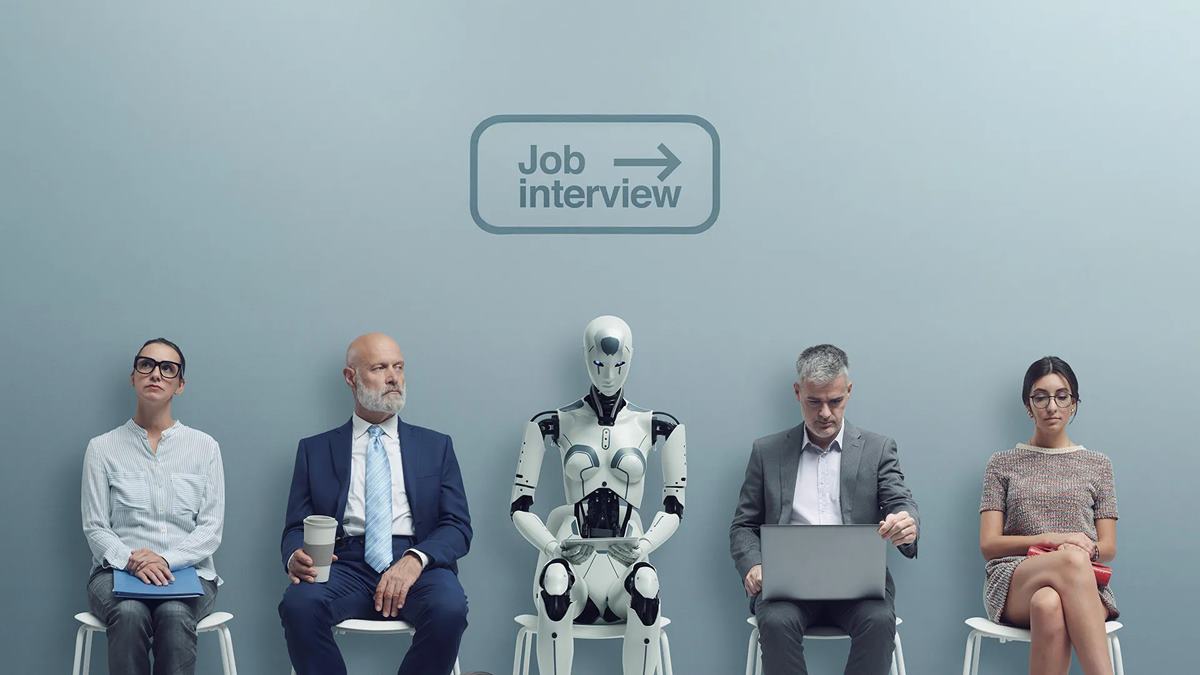






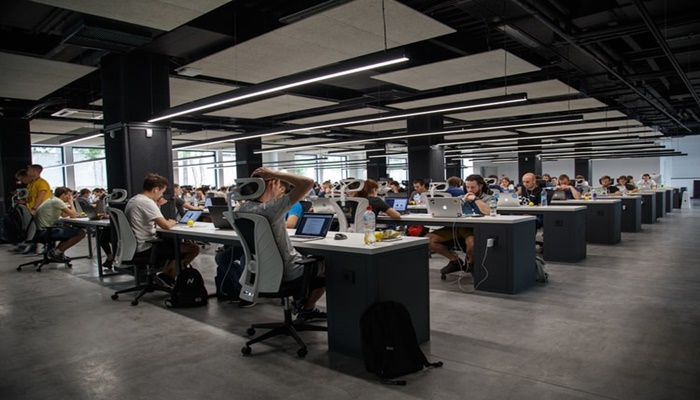








The next wave of job losses, if it comes as quickly as Andrew Yang expects, may not arrive with factory shutdowns or warehouse gates closing. It could show up quietly, fewer desks occupied, fewer meetings scheduled, and more people spending weekday mornings at neighbourhood coffee shops with nowhere specific to be.
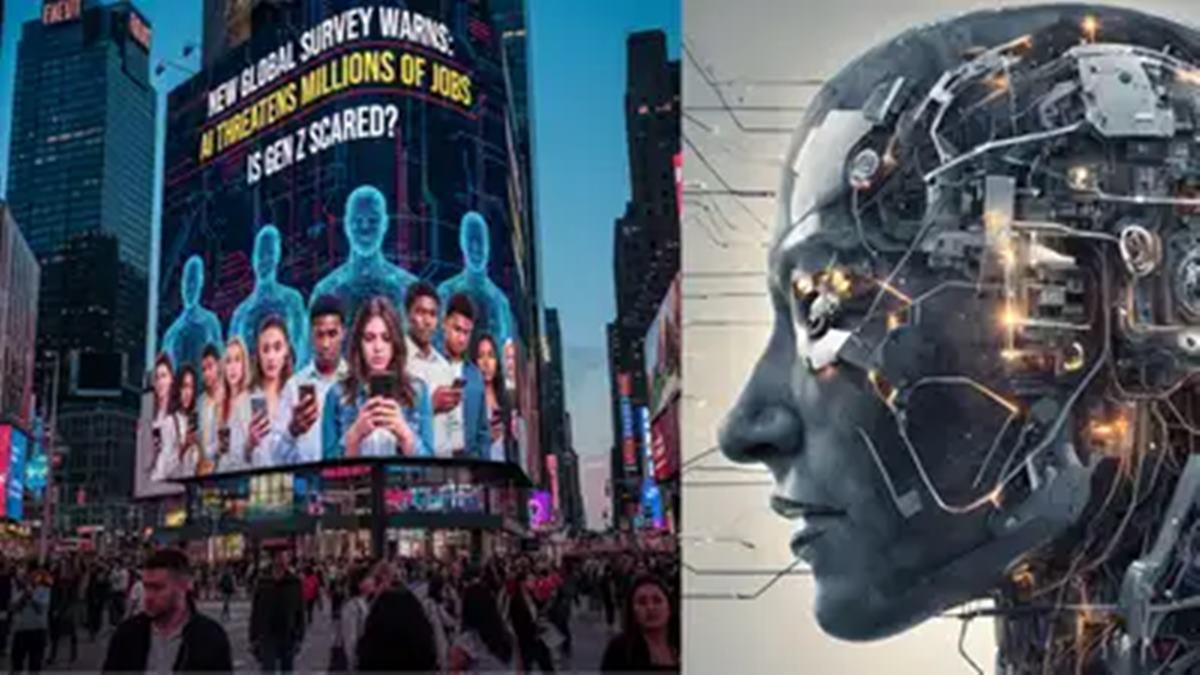
In a warning that cuts against the optimism surrounding artificial intelligence, Andrew Yang says millions of white-collar workers could lose their jobs within the next year. Coders, marketers, middle managers and call-centre staff, he argues, are heading into a period of disruption that will feel sudden, personal and difficult to reverse.
A race to cut staff, not a slow transition
Writing on his Substack this week, Yang said AI “will kick millions of white-collar workers to the curb in the next 12–18 months,” framing the coming change less as a gradual evolution and more as a competitive sprint. Once one company reduces headcount, he said, rivals will feel compelled to do the same, Business Insider reports.
“It will become a competition because the stock market will reward you if you cut headcount and punish you if you don’t,” Yang wrote.
That logic is already familiar to workers who lived through past cycles of corporate cost-cutting. But Yang’s concern is that AI accelerates the process. Unlike previous downturns driven by demand or interest rates, automation gives companies a permanent alternative to rehiring. When software can do part of the job, the pressure to bring people back weakens.
Yang has been warning about automation for years. In 2018, long before generative AI tools became mainstream, he told The New York Times that self-driving trucks could wipe out driving jobs and destabilise communities. His focus has now moved to office work, basically roles once considered insulated from automation.
“Do you sit at a desk and look at a computer much of the day? Take this very seriously,” he wrote. “Millions of workers are about to be given their pink slips.”
Why the warning feels different this time
The anxiety around AI is colliding with an already fragile jobs market. January recorded more layoffs than any January since 2009, a reminder of how quickly employment conditions can turn. While many of those cuts have been blamed on economic uncertainty, some companies are now openly tying workforce reductions to AI adoption.
Pinterest said in January that it plans to cut 15 per cent of its workforce, calling the move part of an “AI-forward strategy.” HP has said it will eliminate up to 6,000 roles by 2028, citing AI initiatives. Critics argue that AI is sometimes being used as a convenient explanation for cuts driven by older cost pressures, but the direction of travel is becoming harder to ignore.
What worries Yang is not just the scale of potential layoffs, but how widely the impact could spread. Office jobs support entire local ecosystems, lunch spots, dry cleaners, dog walkers, hair salons. When office workers disappear, so does their spending. “The amount of money getting paid to human labour is about to go down,” he wrote.
That knock-on effect, Yang argues, is often underestimated. Fewer people commuting does not just change corporate balance sheets; it changes neighbourhood economies built around daily office life.
Not everyone in the tech world agrees. Some executives and researchers argue that AI will ultimately create more opportunity than it destroys. Others, including several AI lab leaders, believe white-collar work is heading for a painful reset. Yang’s view is firmly in the latter camp and his timeline is what makes it unsettling.
If the disruption arrives within a year, as he predicts, many workers may have little time to adapt. For people in mid-career roles, the shock may not feel like a technological breakthrough at all, but like a quiet ending, one meeting cancelled, one role eliminated, and a future suddenly less certain than it was before.