










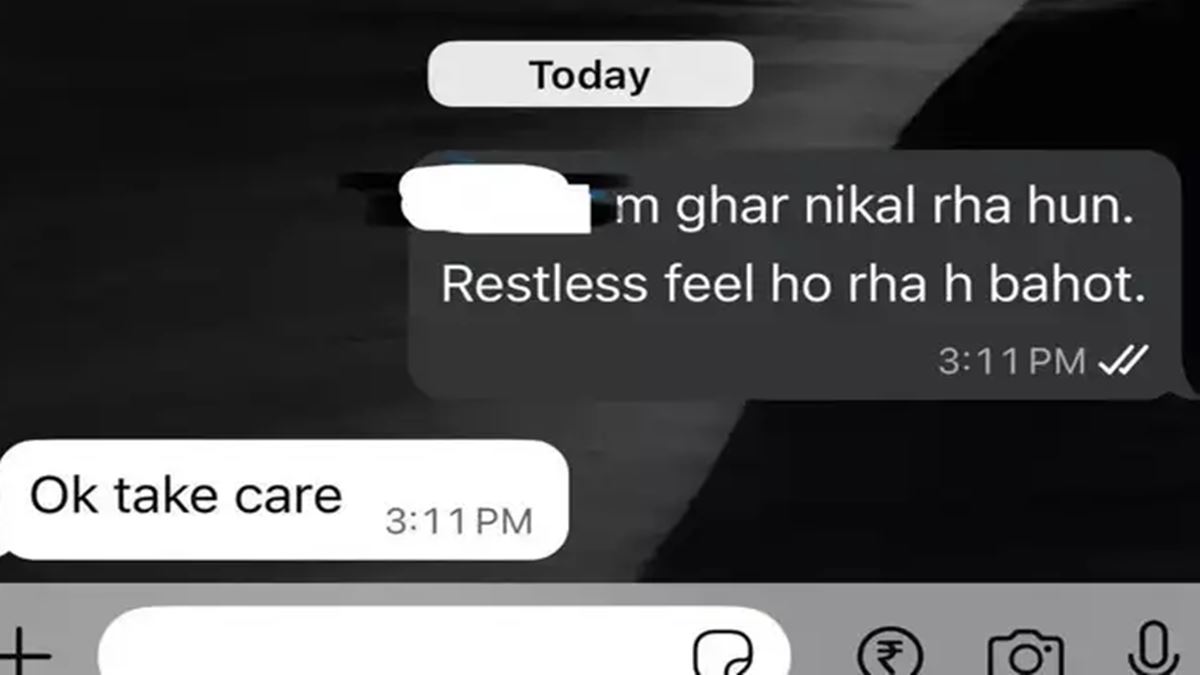










Are managerial roles increasingly becoming more stressful and asking? A recent study has found that at least 40 per cent managers weren’t prepared to handle burnout or mental health issues among employees. The study even said that at least 75 per cent managers said they feel overwhelmed or emotionally drained by leadership responsibilities. The survey has been conducted by Aurora University after connecting with 933 mid-level and senior managers.
The survey highlights a leadership capability gap as work cultures change — especially in areas of emotional support, mental health awareness, and managing modern team needs. Managers feel they aren’t trained adequately for mental health support to their juniors and, therefore, lack the capability to manage employee burnout.
Why Are Managers Not Being Able To Lend Mental Health Support?
More Complex Burnout
Workplace burnout today is more than just long working hours. Constant connectivity, tighter deadlines, performance pressure, job insecurity, and rapid organisational change, have added more stress on employees. Hybrid and remote work have blurred the boundaries between office and home, making it harder for employees to mentally “switch off.” While only 20 per cent managers ranked managing mental health as one of the most important leadership skills in the survey, it was simultaneously among the areas where confidence was lowest — suggesting a mismatch between recognition of the issue and readiness to address it.
Managers Under Intense Pressure
The survey highlights that burnout is not limited to employees — managers are feeling it too. Around 75 per cent of managers reported feeling overwhelmed or emotionally drained by leadership responsibilities. Notably, 18 per cent said supporting team wellbeing is the most emotionally draining part of their job, even more than layoffs or budget cuts (17 per cent). This indicates that people-management — especially around wellbeing — is taking a significant emotional toll. When managers themselves are stretched thin, their ability to proactively detect and respond to employee burnout diminishes.
Same Old Leadership Training Methods
One of the clearest findings from the survey is a training gap. Only 55 per cent of managers reported having access to formal leadership development programmes. Many said they received minimal structured training before taking on people-management roles. As a result, 15 per cent admitted they feel least confident in managing mental health issues, and 14 per cent cited conflict resolution as a weak area. In fact, 46 per cent said they turn to online searches or AI tools for leadership guidance, highlighting the absence of consistent institutional support. This suggests that organisations may be expecting managers to handle complex human challenges without equipping them adequately.
Asking More Out Of Managers
The survey also asked managers which skills are most important for success. While 54 per cent prioritised strategic decision-making, and 44 per cent highlighted coaching and mentorship, only a smaller share initially ranked mental health management as a top leadership priority. Yet, the emotional demands of the job tell a different story — wellbeing support is becoming central to the role whether managers are prepared for it or not. The gap between what managers are traditionally trained for (strategy, performance) and what they are increasingly required to do (wellbeing support, emotional leadership) is widening.
Uncertainty Around Mental Health
Although the survey does not directly measure stigma, the preparedness gap offers clues. With mental health management ranking among the least confident areas (15 per cent), it suggests discomfort and uncertainty. Managers may worry about overstepping professional boundaries or lacking the right language to address sensitive issues. Interestingly, two-thirds of managers believe AI literacy should be a core leadership skill, which may reflect a desire for structured guidance in complex conversations.
What Managers Can Do
Things can only change once the issue at hand is acknowledged. Organisations and managers need to acknowledge how work pressure is more than just the number of hours spent working. Mental health and burnout are real nd must be addressed. This is how managers can help employees:
Spot Early Signs
Employees do not directly announce a burnout. There are signs like declining engagement or productivity, withdrawal from collaboration, increased absenteeism, irritability or fatigue. Managers need to spot these signs to address them. Regular one-on-one catch-ups should become priority.
Clarify Expectations & Workloads
Unclear goals and unmanageable workloads are major burnout drivers. Managers can set realistic goals with clear outcomes, reallocate tasks if someone’s overloaded, and encourage boundaries around work hours.
Encourage Work-Life Balance
A major factor leading to burnout is the lack of work-life balance. Supporting flexibility with staggered hours, meeting-free periods, hybrid options helps employees recharge and feel trusted.
Promote Psychological Safety
Managers must create a space where team members feel safe to share what’s stressing them out without stigma. Active listening and empathy go a long way.
Support might also include team social activities, recognition of contributions and spotlighting meaningful work connection.
Develop Manager Skills
Managers must invest time in building people-leadership capabilities such as emotional intelligence, coaching and mentorship, conflict resolution, and mental health literacy. This can come from formal training, mentoring, or even self-directed learning.
Healthy manager-subordinate relationships go a long way in shaping not just an organisation’s success, but also that of the individuals concerned. While the study presents a worrying picture of the readiness of managers to deal with employee burnouts, the right approach could change the picture.