



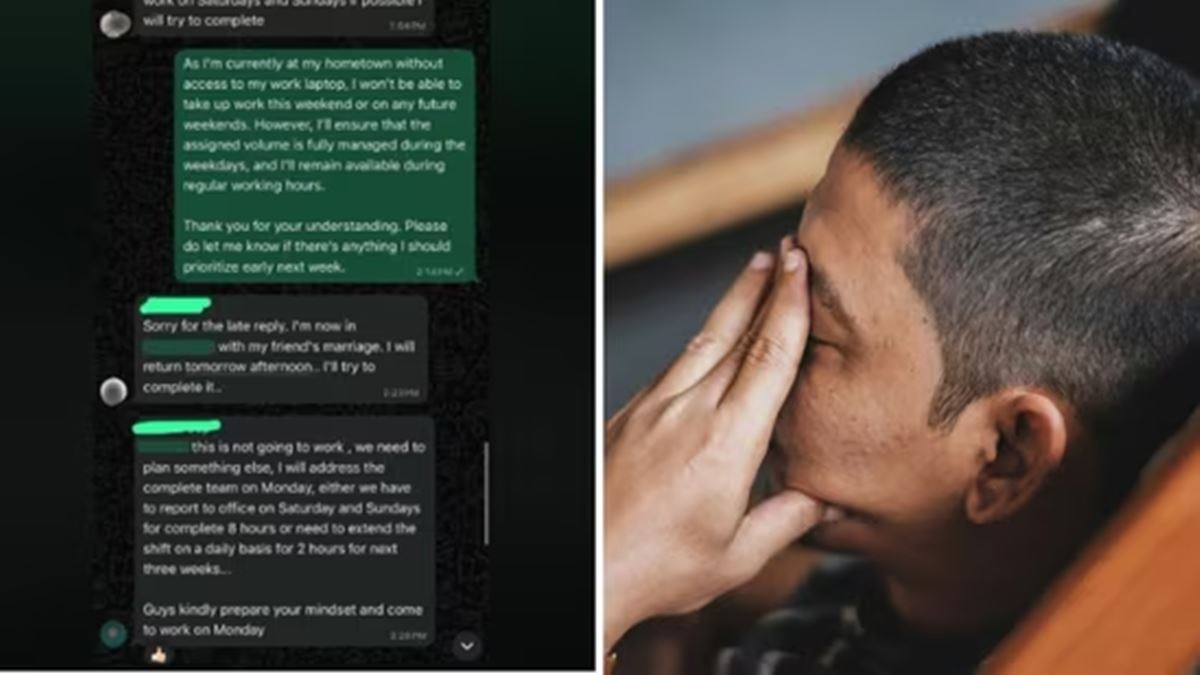






Over the past few years, the way we work has undergone a profound transformation. What began as an emergency shift to remote work has evolved into a long-term reimagining of how organisations engage, empower, and enable their people. As workplaces recalibrate, one thing has become abundantly clear — the future of work will be defined not by mandates, but by meaningful choice.
Today’s workforce values autonomy and trust just as much as compensation and career growth. The traditional notion that “presence equals productivity” has given way to a results-oriented mindset in which impact matters more than location. In this context, rigid return-to-office mandates risk disengagement and even attrition, especially among younger and more mobile talent segments.
Organisations prioritising dialogue over directives — and cultivating flexible, trust-based work models — are seeing stronger engagement and retention. Employees who feel genuinely heard are not only more loyal, but also more invested in company goals and culture.
We have seen firsthand that when employees are trusted to decide how and where they work best, the results are remarkable — higher engagement, stronger collaboration, and a deeper sense of belonging. Flexibility is no longer a perk; it is a fundamental element of a resilient, high-performing workplace culture.
What is witnessed is an evolution of the social contract at work. The pandemic blurred the boundaries between professional and personal life, prompting organisations to rethink how they support their people holistically.
As hybrid work continues to evolve, the focus is moving from “where” people work to “how” people collaborate and innovate. This shift is not about convenience alone — it embodies a deeper understanding of human motivation. While people thrive on connection and in-person engagement, they want to experience it on their terms. This is why industry leaders now not only empower choice but also invest in our workspaces and engagement events that bring people together, providing the best of both worlds.
This evolution of connection, from social interactions to learning opportunities to meaningful engagement, reflects the diverse preferences of our workforce. Two qualities stand out as critical to this new era of work: trust and listening. These qualities feed and reinforce each other.
Listening, when genuine, consistent, and structured, has become a key leadership capability in the post-pandemic era. Companies are investing in robust feedback mechanisms, pulse surveys, and employee forums to capture evolving expectations. Beyond the data, it is empathy and responsiveness that truly drive impact.
When leaders listen and act on employee feedback, they send a powerful message of trust. This fosters psychological safety where employees feel comfortable sharing ideas and challenges – a critical factor for innovation and inclusion. Trust encourages openness, and listening deepens trust, creating a virtuous cycle that strengthens workplace culture and outcomes.
The way forward
The debate over remote versus in-office work will continue, but the most future-ready organisations will be those that move beyond “either/or” thinking. The true opportunity lies in designing models that reflect trust, flexibility, and shared purpose — anchored in continuous listening and constant improvement.
Workplace transformation is no longer a question of policy; it is a question of perspective. Forward-looking employers are using this moment to build cultures that are adaptable, inclusive, and resilient — where performance and well-being are mutually reinforcing, not competing priorities.