


















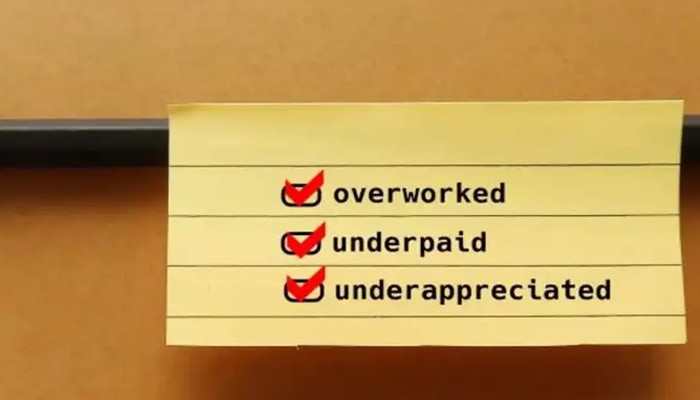


In India’s corporate hubs, conversations around workplace boundaries are growing louder, especially as younger employees push back against informal expectations that blur professional and personal lines. From after-hours calls to “casual” mentorship meetings outside office premises, many such interactions exist in a grey area that is rarely documented and even more rarely challenged. A recent Reddit post from a Gurugram-based corporate employee has brought this issue into focus, raising a troubling question: when does office culture cross into quiet harassment, and when is dissent punished as an attitude problem?
The employee, who works in a corporate office along Golf Course Road, described an environment that outwardly promotes balance but quietly rewards constant availability. According to the post, the manager embodied a hustle-driven mindset where staying late was treated as dedication and leaving early attracted judgment. Early interactions included frequent calls after official work hours that were not urgent and were never put on record.
Over time, the manager allegedly made personal remarks framed as compliments or observations, commenting on how “sorted” the employee seemed, questioning his lack of visible stress, and asking why he did not socialise or drink with colleagues like others did. The employee said these moments were brushed aside to avoid being labelled difficult.
When mentorship felt uncomfortable
The post explained that informal conversations often happened late in the office pantry, where the manager would speak about his personal life, loneliness, and daily frustrations. These interactions were positioned as mentorship, but the employee said he involved physical proximity and personal topics that felt inappropriate. Office culture, where staying back late was normalised, made it harder to step away without drawing attention.
According to the Reddit account, things changed once the employee reduced engagement. Requests to work from home began getting rejected, and work that had earlier been appreciated suddenly required repeated changes. In meetings, the manager allegedly interrupted the employee and restated the same points as if they were his own explanations.
The situation escalated when the manager suggested meeting for coffee at Cyber Hub on a Saturday to discuss career growth. The employee declined. From the following week, he was removed from a key project. When the employee sought an explanation, the manager reportedly implied that mindset and attitude carried more weight than skill.
HR intervention that led nowhere
The employee said he approached the HR department to report the issue. HR reportedly asked for concrete proof such as written messages or logged calls. Since most interactions were verbal and informal, there was nothing to submit. The complaint was closed after HR advised the employee to set clearer boundaries and avoid being alone with the manager.
The post ends by noting that such experiences rarely appear dramatic on paper. There were no explicit messages or direct threats, only professional decisions that followed personal refusals. The employee now documents all interactions, keeps communication on email, and looks for new opportunities while commuting, treating the experience as a lesson in survival within the system.