













By 2025, employee engagement stopped being a feel-good exercise and became a stress test for leadership credibility.
Across industries, companies discovered that carefully curated programmes, annual surveys and morale-boosting events were no longer enough to hold attention—let alone loyalty. Employees wanted something harder to fake: purpose, psychological safety and growth that felt personal rather than promised.
“In 2025, employee engagement made a transition from being a series of planned activities to an intensely personalized and emotionally powerful experience for employees,” said Komal Piyush Somani, Whole-time Director, Chief Marketing Officer and Chief Human Resource Officer at ESDS Software Solution Limited. “Employees were no longer satisfied with participation alone — they sought clarity, connection, and a strong sense of purpose in their work.”
That shift, she said, turned engagement into “a sustained journey fostered through continuous listening and multiple touchpoints in real time,” rather than something measured quarterly or repaired through interventions.
The pressure to change was structural. Hybrid work fractured teams, constant transformation exhausted managers, and a multigenerational workforce refused to respond uniformly.
“Our current workforce is multigenerational hence companies have moved from one-size-fits-all programs to designing experiences that balance Gen Z’s demand for purpose and speed, Millennials’ need for growth, Gen X’s focus on autonomy, and Boomers’ desire for stability and recognition,” said Rency Mathew, Managing Director, Sabre Bengaluru, APAC & ANZ People Leader.
Psychological safety moved from ‘soft’ to strategic
A defining shift in 2025 was the elevation of psychological safety from cultural aspiration to performance lever. Leaders increasingly recognised that engagement, innovation and retention were inseparable from whether employees felt safe to speak up.
“Organisations noticed that teams performed better when they felt safe to express ideas, make mistakes, take risks, and grow without fear of judgment,” Somani said. “This shift encouraged leaders to adopt more empathy-driven communication and rely on data-backed insights to understand employee sentiment in real time.”
In practice, this forced leaders to move closer to the work—and to people. Empathy became operational. Listening became continuous. Guesswork gave way to data.
What worked best, however, was rarely grand or expensive. Engagement improved when organisations focused on small, consistent experiences rather than large programmes.
“The practices that worked best this year were the ones that created real-time connection, clarity, and personal growth,” Somani said. Manager-led conversations and clearer learning pathways helped employees regain a sense of direction amid uncertainty.
Mathew echoed this shift towards managerial capability. “The most impactful strategies were equipping managers to have high-quality, empathetic conversations, creating intentional communication rhythms that reduced noise and increased clarity, and using timely micro-interventions that strengthened wellbeing, alignment, and connection during constant organisational shifts,” she said.
AI entered engagement—but didn’t replace the human core
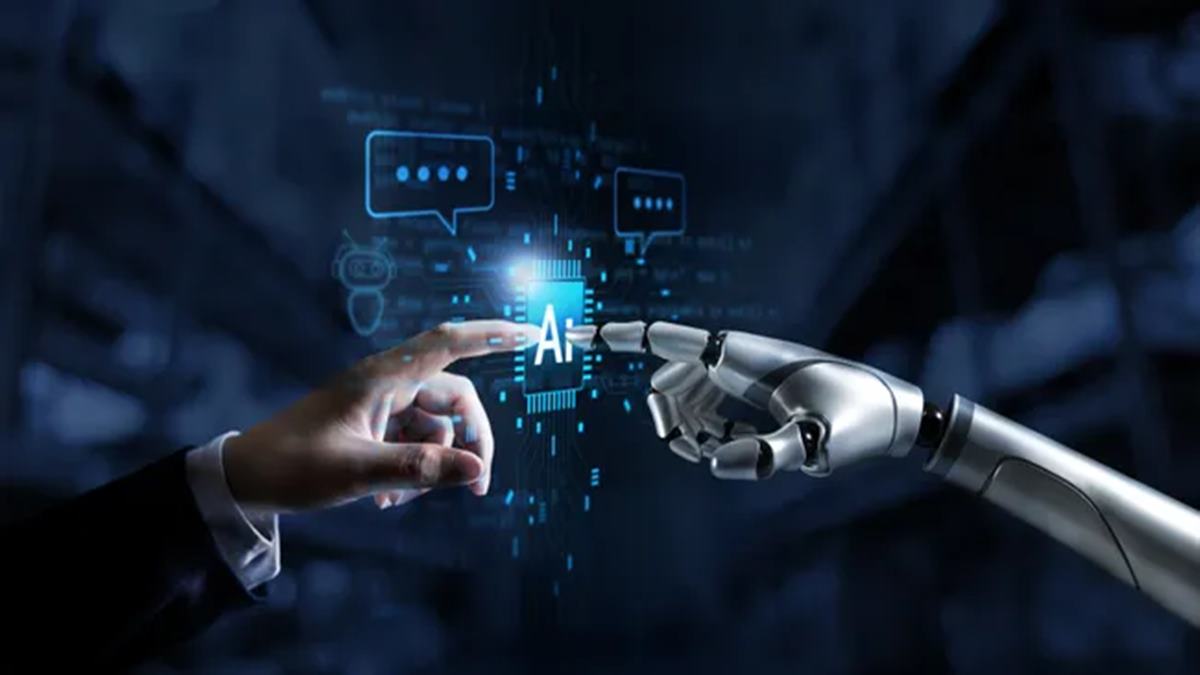
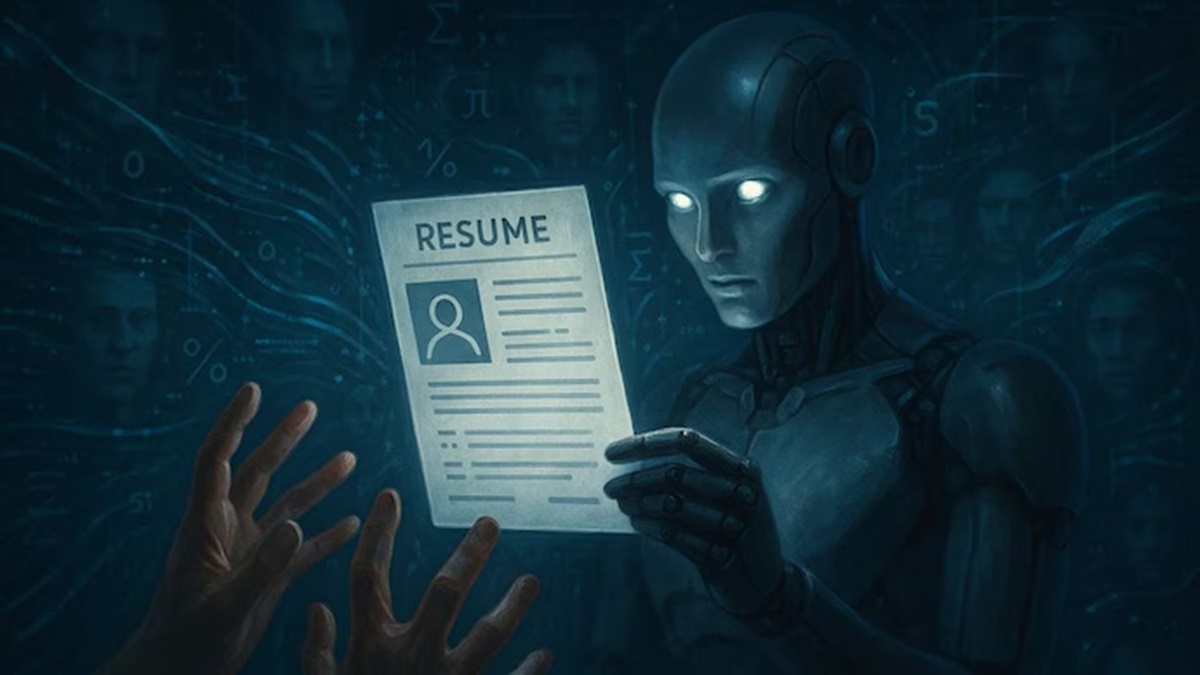
In 2025, artificial intelligence stopped being an HR experiment and started shaping engagement decisions at scale. Its role, however, was enabling—not replacing—human connection.
“AI in 2025 reshaped engagement by bringing in more clarity, personalisation, and care into everyday interactions,” Somani said. She pointed to its ability to surface early signs of burnout, personalise learning journeys, and automate routine tasks so HR business partners could focus on coaching and culture.
Crucially, she added, “the greatest shift was that AI didn’t replace the human element, but rather it strengthened it.”
Mathew observed similar patterns across organisations adopting AI. “AI sparked genuine employee curiosity, with organisations running hackathons and learning sessions where people could experiment, upskill and co-create with AI,” she said.
Yet technology also revealed its limits. Hybrid and distributed work exposed inequities that engagement tools alone could not fix.
“One of the biggest challenges in 2025 was maintaining unity and cultural consistency across different formats of work,” Somani said. “In many ways, the challenge wasn’t technology; it was making sure every employee, regardless of where they work, felt seen, included and supported.”
Mathew highlighted the same tension. “Leaders struggled with sustaining connection across varied work contexts – ensuring frontline and remote employees had equitable access to information, support, and recognition, while also making sure remote talent didn’t feel invisible, disconnected or left out of critical moments,” she said.
What employees valued hardened—and won’t reverse
By the end of 2025, employee expectations had sharpened. Titles lost relevance. Perks lost appeal. Growth, wellbeing and purpose took precedence.
“Employees increasingly valued psychological safety, career conversations, and opportunities to work on the newer tech,” Mathew said, noting that workers were proactively seeking organisations that invested in upskilling and flexibility.
Somani framed the shift more starkly. “Growth was valued ever more over titles, well-being over perks,” she said. “A strong sense of purpose — understanding ‘why my work matters’ — became a key engagement differentiator.”
While engagement tactics varied by sector—from AI-led learning in technology to mobile-first tools for frontline work—the common thread was personalisation at scale.
Looking ahead, neither leader expects engagement to become easier. Expectations are rising faster than organisational capability.
“As we move into 2026, organisations should prioritise manager capability building with coaching-driven frameworks, culture of continuous learning, employee listening systems that translate feedback into visible action, inclusive hybrid frameworks and human-centred leadership, strengthened by AI insights,” Somani said.
Mathew put it more bluntly. “Organisations should prioritise nurturing manager capability, redesigning work for wellbeing, and building a culture where learning, transparency and trust become everyday habits.”
The lesson from 2025 is clear: employee engagement can no longer be manufactured. It has to be lived—daily, visibly and unevenly—by leaders willing to rethink how work actually feels.