
















When I started my first job out of college, AI was still the stuff of sci-fi movies—HAL from 2001: A Space Odyssey.
The threat of AI was pretty non-existent, but I still remember the pressure of being on the bottom rung of the corporate ladder. Sometimes, I was assigned tasks that senior colleagues no longer wanted to do—tedious work that felt like a rite of passage.
But the learning curve was steep. Even when I was doing what seemed like low-value work, like sitting in on meetings and preparing takeaways afterward, I picked up invaluable skills along the way: how to hold a room’s attention, how to pitch an idea, and how to negotiate tactfully. Those lessons still serve me today as a leader of my own company.
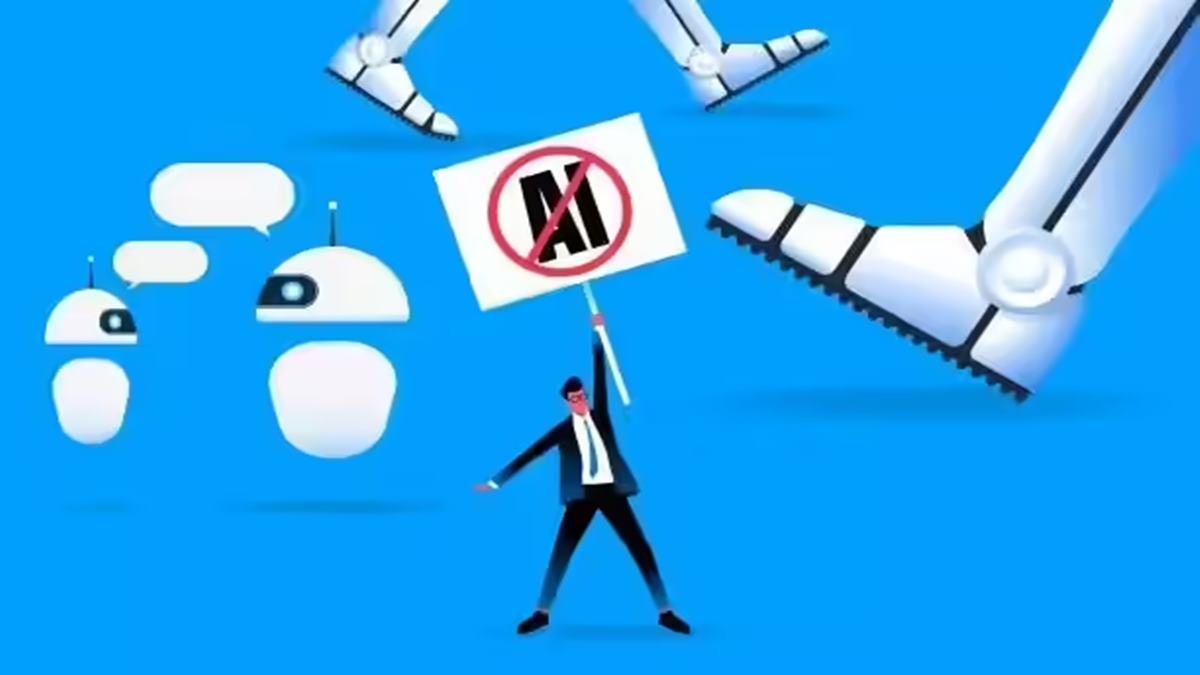
Entry-level roles are where professionals build both tangible and intangible skills. But it’s no secret that AI is now threatening to take over much of the work traditionally associated with those roles—and, in some cases, the roles themselves. This is happening across industries. In creative fields, for example, professors Caitlin Petre and Julia Ticona note that “[t]he creative grunt work that A.I. stands to replace most quickly is what helps emerging artists improve, not to mention pay their bills.”
The risk isn’t just to livelihoods, but to the formative experiences that build confidence and expertise. The question for leaders becomes: how do we ensure early-career employees still get the training and opportunities they need in an AI-powered workplace?
Mentorship To Develop What AI Can’t
In their opinion essay, Petre and Ticona share how some creative professionals future-proof their jobs in the age of AI.
“Several of the writers we spoke with talked about prioritizing projects that incorporate live performance, like plays and stand-up comedy, or forms of writing that are deeply personal and based on their own experiences, because these are harder to automate.”
It’s a strategy that transcends industries: developing the more human side of your craft to make yourself indispensable. The tech world is no different. Soft skills like communication and leadership, along with distinct personal attributes, will increasingly set employees apart.
At my company, I’ve found that the best way to nurture soft skills and help junior employees lean into their individual strengths is to prioritize mentorship—and to make time for it. That mentorship should offer candid guidance on career development and growth, while encouraging entry-level employees to show up as themselves.
I wish someone had told me earlier to lean into my own background, something I often write about today. I’ve since realized it shaped my perspective—not necessarily better or worse, but different, and valuable for approaching ideas from multiple vantage points.
Create Meaningful Experience Pipelines
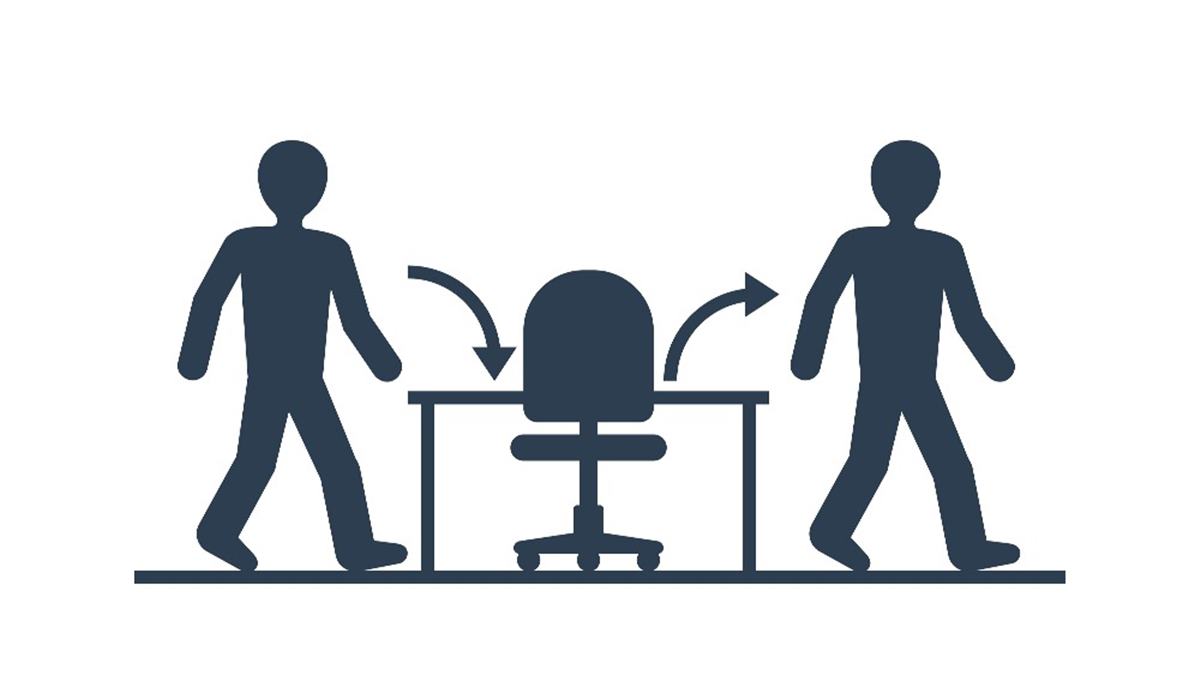
In a recent story, Stanford Social Innovation Review described today’s junior professional paradox on account of AI and automation. “[E]ntry-level jobs today require experience that entry-level roles no longer supply.”
If human employees are no longer needed to take notes, file documents, or handle other first-rung tasks, they’re instead expected to take on more complex work—which requires operational knowledge, including familiarity with internal processes, tools, and workflows.
Internship programs are one way to prepare potential employees for the inner workings of an organization, so they begin their early-career roles with that foundation in place. From there, they can focus on building the skills in more complex tools and responsibilities.
At Jotform, our internship program has led to years-long careers with the company, with former interns reporting largely positive experiences. The program is designed to help them get the most from it. Interns are paired with mentors, encouraged to explore their interests across the company, and know there’s always someone available to answer their questions. From the outset, they work on meaty, hands-on projects.
Some former interns have now been with us for more than a decade—no small feat in the SaaS industry, where lateral moves are as common as unicorn startups are rare.
Give Early-Career Employees Real Work, Earlier
Research has found that younger workers are more excited and optimistic about AI than more tenured employees. The first generation of digital natives, it makes sense. They naturally take an AI-first approach, with reports finding that they’ll consult with AI before going to a manager. And that’s not a bad thing—it’s resourceful, so long as there’s an open door to ask questions to human superiors when they need it.
Leaders can lean in to that resourcefulness and independence, and encourage entry-level employees to capitalize on the latest tools. That way, they can collaborate with them to take on more complex, higher-value tasks.
As Deloitte notes, “This shift toward higher-value work could contribute to early career workers’ positive perception of AI’s impact on their work experiences.”
For example, instead of assigning a first-year software developer basic documentation tasks, teams can leverage AI to automate those functions, allowing junior engineers to tackle performance optimization earlier in their careers.
Today’s entry-level employees are grappling with future-proofing their careers from day one. Leaders can also do their part in investing in tomorrow’s workforce, replacing low-value grunt work with meaningful skills training.