













As a Chief People Officer, conversations about the future of work are not theoretical. They show up every day in questions from managers, in how employees think about progression, and in the practical decisions HR teams are being asked to make now, not “sometime next year”.
From where I sit in my role, working with organisations across the UK, 2026 is already taking shape. The pressure on HR teams is coming from several directions at once: new employment legislation, rapid advances in AI, and workforces that span more generations than ever before. None of these are entirely new, but the way they are colliding is.
Rather than making broad predictions, there are three areas in particular where I expect HR teams to spend most of their time over the coming year, and where pre-emptive, practical decisions will matter far more than polished strategies.
Proactive won’t be optional anymore
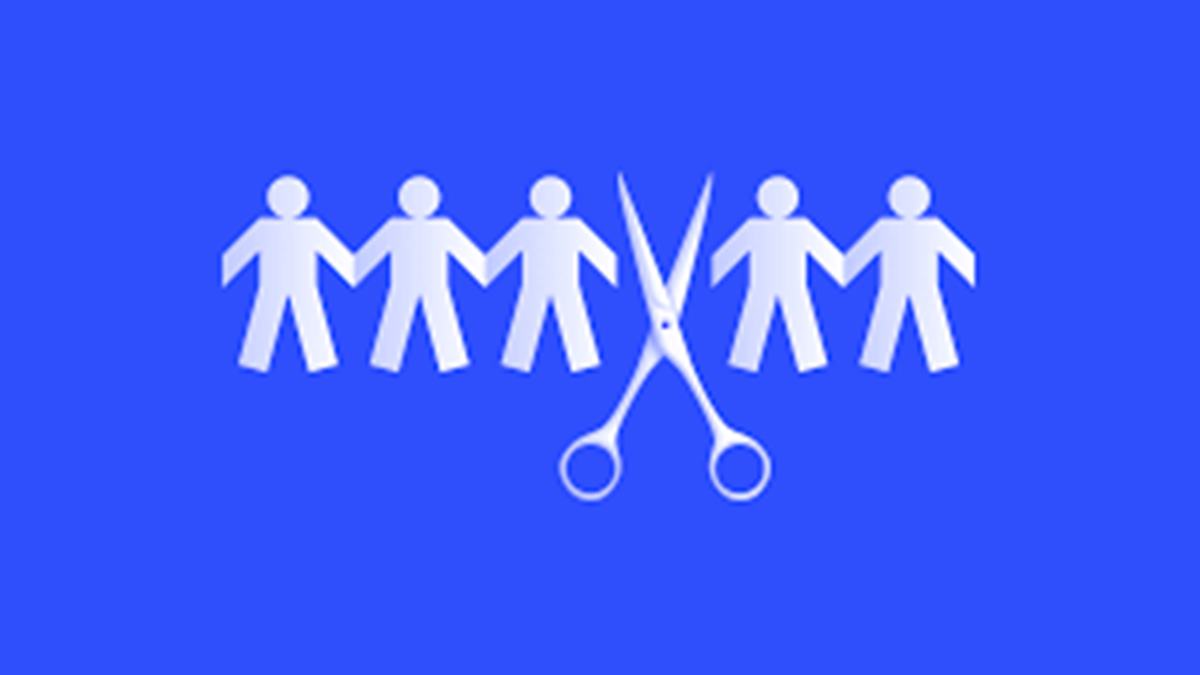
The Employment Rights Bill is set to reshape core aspects of employment, from parental leave to redundancy protections and day-one rights. These are not changes that will sit neatly in a single policy update. They will affect how organisations recruit, manage performance, plan workforce costs and support managers on the ground.
Waiting for legislation to land before responding is no longer realistic. HR teams that are already testing policies, training managers and modelling operational and financial impacts will be far better placed when changes take effect.
This is where HR’s strategic role becomes visible. Organisations that understand the implications early and adjust retention, engagement and workforce planning accordingly will adapt more smoothly. Those that leave it late risk disruption and rushed decision-making at exactly the wrong moment.
AI will move from debate to design
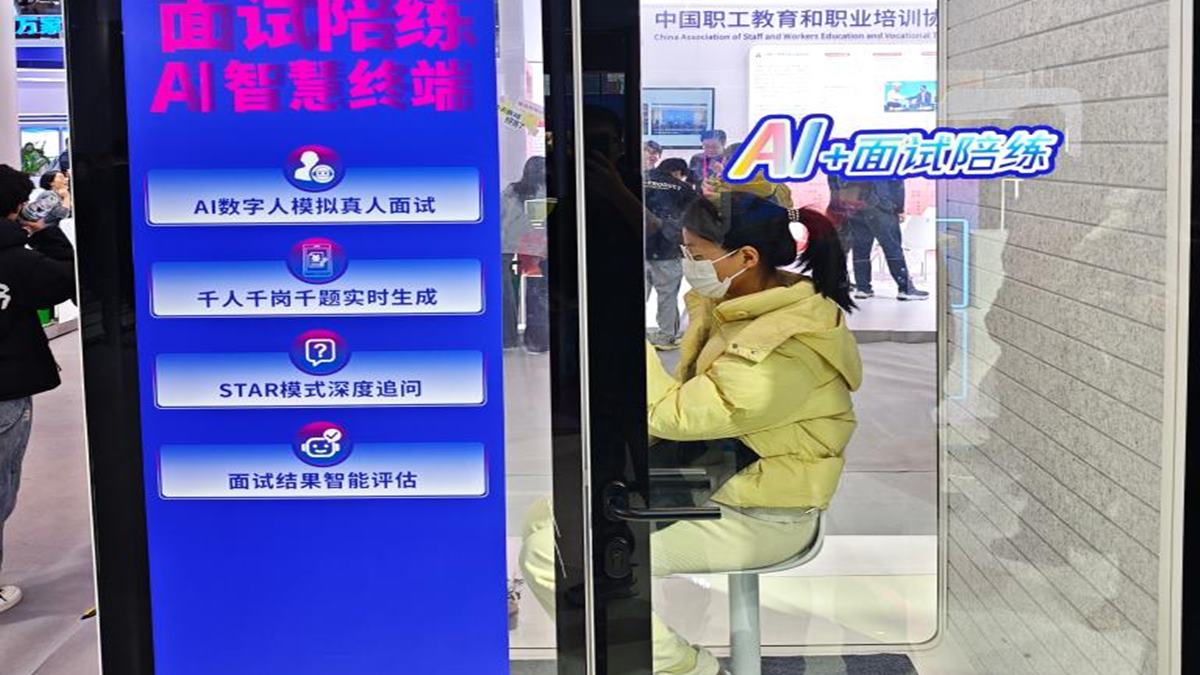
In 2026, the conversation around AI in HR is likely to look very different. The focus is already shifting away from fear and speculation and towards practical questions about design, governance and day-to-day use.
The direction of travel is becoming clearer. AI will support routine work, surface insights and improve decision-making, but it will not replace the need for human judgement, empathy or accountability, which is an important balance.
This shift has real implications for role design, particularly at entry level. As transactional tasks become automated, early-career roles need to offer richer learning opportunities. Skills such as interpreting, questioning and applying AI-generated insights will become as important as process knowledge.
HR will play a central role in making this work responsibly. That means setting clear guardrails, building transparency into systems and ensuring people have hands-on opportunities to learn. Used well, AI can turn workforce data into foresight, freeing HR teams to focus more time on culture, coaching and trust.
Five generations, one workplace
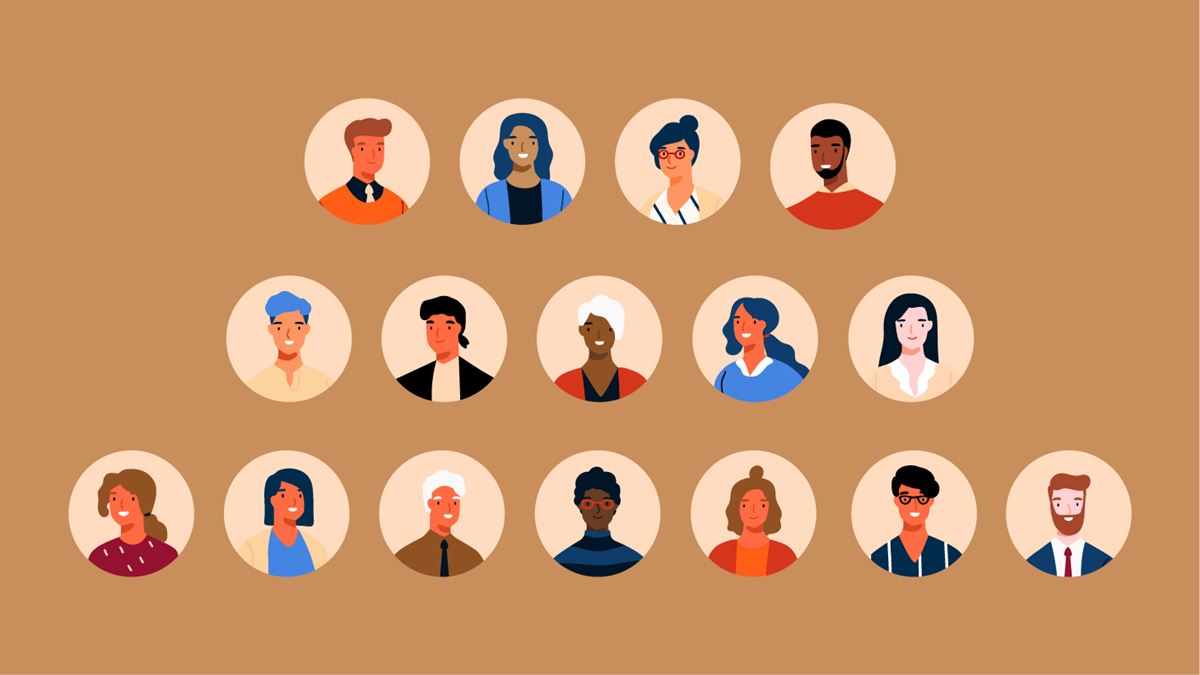
Many organisations now have five generations working side by side. This is often framed as a challenge, but it is more accurate to see it as an underused asset.
Each generation brings different strengths, whether that is deep organisational memory, broad commercial experience, digital fluency or fresh expectations of what good work looks like. The risk is not age diversity itself, but failing to design learning and progression in a way that allows people to learn from one another.
Left unmanaged, differences can turn into friction. Managed well, they become a source of resilience and innovation. Multi-modal learning, reverse mentoring and flexible career pathways are not “nice to have” initiatives; they are practical tools for making age diversity work.
Looking ahead
2026 will test whether HR remains largely operational or steps more confidently into a strategic role. The organisations I predict will do best will be those that act early: preparing for legislative change, integrating AI with care, and creating environments where people of different ages and backgrounds can work and learn together.
From my perspective, the challenge for HR is no longer predicting the future. It is recognising that much of it is already here, and designing for it deliberately.