












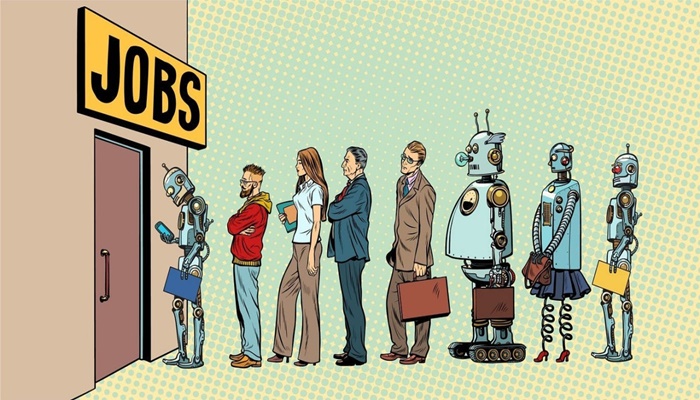



Nearly half of Indian Millennials (49%) fear AI could replace their jobs within the next three to five years, the highest anxiety among all generations, according to a Voice of India report by Great Place To Work India.
This concern is not limited to entry-level employees. Around four in ten mid-career professionals — managers, team leads, and project heads in their 30s and 40s, are worried about AI-driven displacement, and at least 40% of them are already considering leaving their organisations.
Millennials occupy a critical but exposed position in the workforce. They are neither digital-native Gen Z nor insulated senior leaders, yet they form the operational backbone of many companies. Mid-career professionals are often viewed as costly compared with younger hires or automation, making the anxiety structural rather than speculative.
Yet the same data shows a path to confidence: organisations with advanced AI adoption see a 53% rise in employees who feel enthusiastic about AI, while 61% report strong leadership support.
Transparency, training, and clear communication can turn fear into engagement. Millennials, who have repeatedly taught themselves new skills, from coding and social media marketing to remote collaboration — thrive on clarity, not uncertainty.
Resilience does not erase risk. Having lived through recessions, startup crashes, and a global pandemic, Millennials are hyper-aware of disruption. Their anxiety reflects pattern recognition rather than fragility.
For employers, the question is not why Millennials are anxious. It’s why their most adaptable workforce feels unsupported. Replacing mid-career talent with automation may cut costs short-term, but losing institutional knowledge and crisis-tested expertise carries a higher price.
If Millennials are worried, it often signals that the organisation has stopped leading. After surviving repeated workplace upheavals, this generation is hardly fragile, they may simply be overqualified for uncertainty.