
















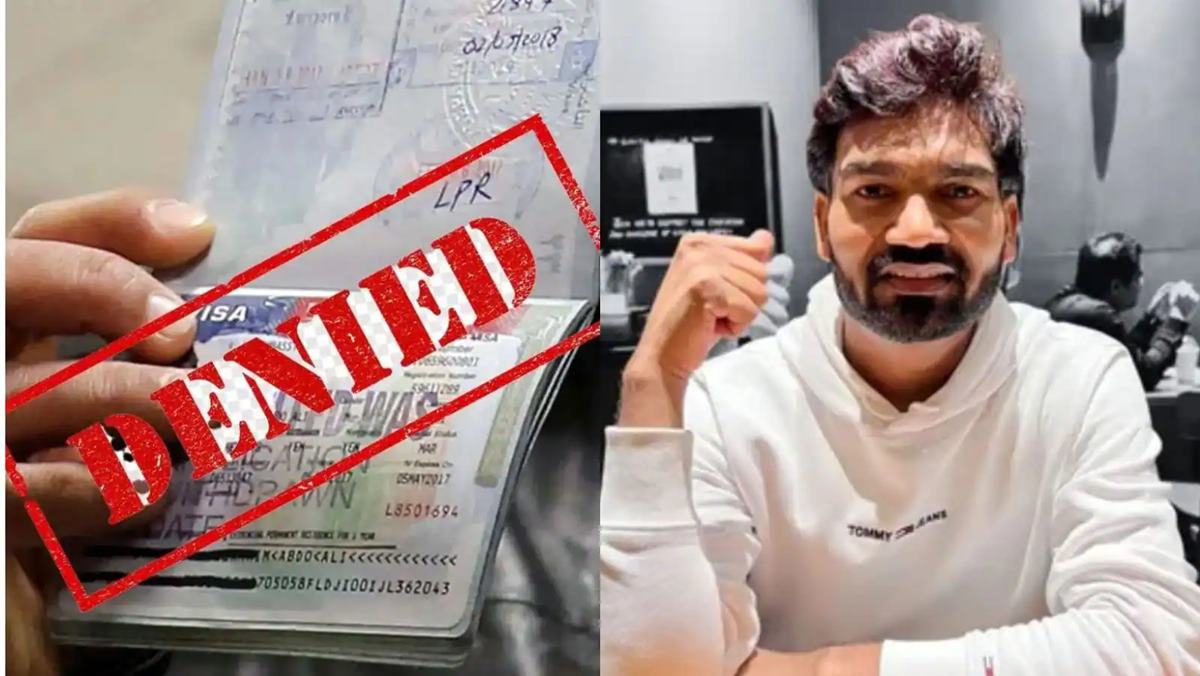
US visas have become increasingly difficult to secure for people from other countries, especially Indians. From skilled worker visas like H-1B to visitor visas such as B1/B2, applicants are facing higher rejection rates and intense scrutiny. The tightening began after President Donald Trump returned to the centre of US immigration decision-making, reviving strict interpretations of visa rules.
Indian founder’s terrible experience
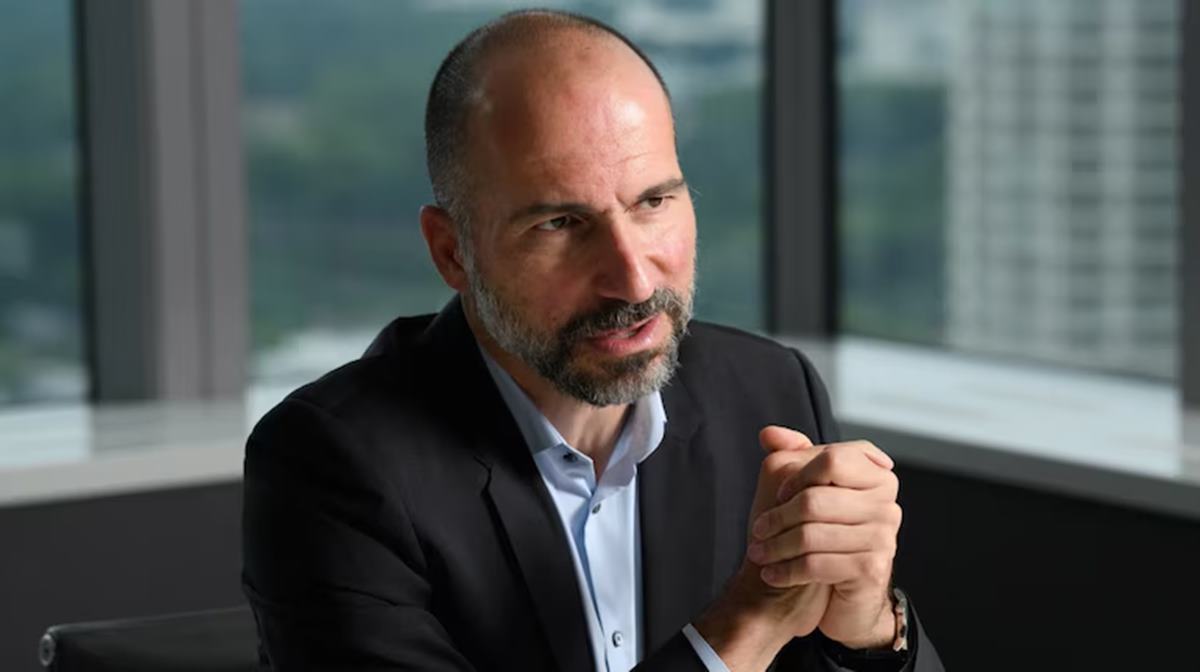
An Indian start-up founder, Jasveer Singh, recently shared his personal experience on X (formerly known as Twitter), explaining the growing frustration among visa applicants. Singh revealed that his US visa was denied under Section 214(b), a clause commonly used to reject temporary visa applications.
“US visa denied under 214(b). Reason – weak ties to India Irony I run a company in India, employ people in India, pay taxes in India and have built everything here over the last 13 years. Apparently that is not enough proof that I’ll return to India.”
He further added, “I’m more committed to India than your process is to logic. Mr @USAmbIndia and team, if this is your bar, either your definition of intent is broken or your evaluation process needs serious review. Train your New Delhi consulate teams better. They check social media too now. A friend said next time just delete your tweets on the US and NRIs before the interview and your visa gets approved.”
What a 214(b) rejection really indicates?
A Section 214(b) refusal means the consular officer believes the applicant has not proven strong enough ties to their home country. Under US law, every temporary visa applicant is presumed to be a potential immigrant unless they clearly demonstrate otherwise. In simple terms, the officer must be convinced that the applicant will return home after the visit. If that assurance is not strong enough, the visa is denied, even if the applicant appears well-qualified on paper.
The most frequent reason for a 214(b) rejection is weak ties to the home country. This can relate to doubts about job stability, family responsibilities, property ownership, or long-term commitments that would ensure a return.
Financial concerns also play a role. If an applicant cannot clearly show they have enough funds for the trip, it may raise fears of illegal work in the US. In other cases, the purpose of travel itself may appear vague or inconsistent with the visa category applied for.
Past visa issues, such as overstays or earlier refusals, may also influence the decision. Additionally, having close family members already living in the US can sometimes be seen as a risk factor, depending on the overall profile.
Applicants are allowed to reapply if they can show a meaningful change in circumstances. This could include a stronger job position, higher income, clearer travel plans, or additional proof of family and economic ties to their home country.