




















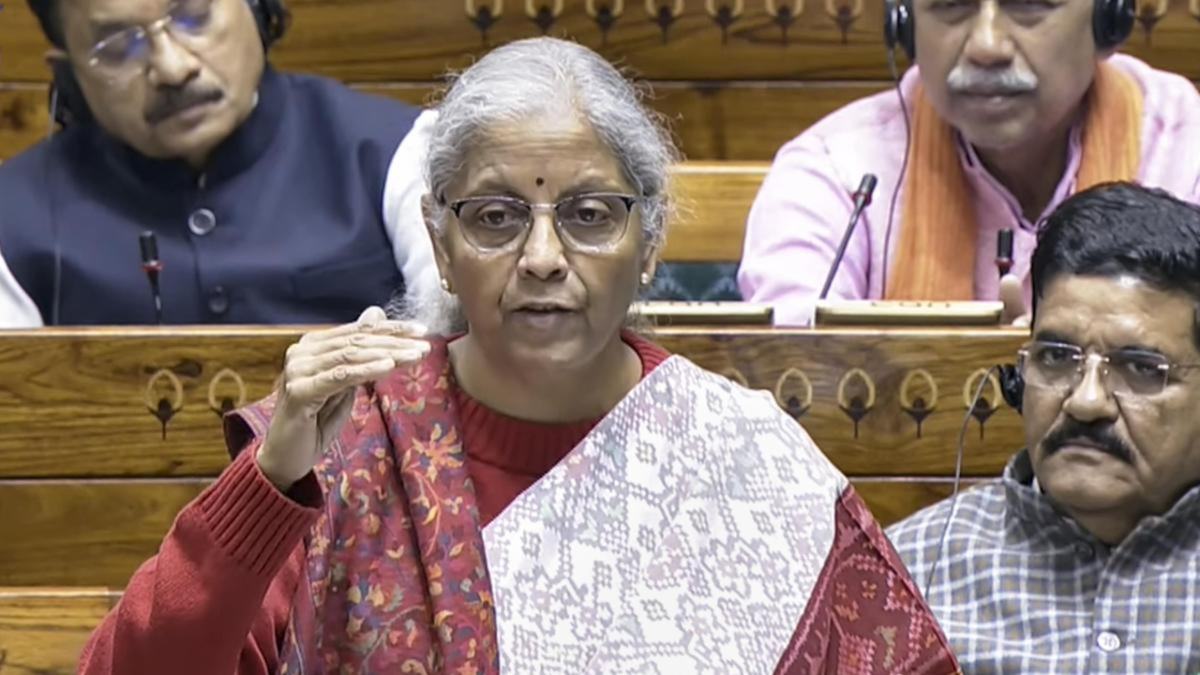
The Union government has tabled a new rural employment Bill in the Lok Sabha that proposes to replace the Mahatma Gandhi National Rural Employment Guarantee Act (MGNREGA), marking a fundamental shift in how rural jobs are guaranteed and funded in India.
The proposed legislation, titled the Viksit Bharat — Guarantee For Rozgar And Ajeevika Mission (Gramin) Bill, seeks to move away from MGNREGA’s demand-driven, rights-based framework to a supply-driven scheme with fixed allocations decided by the Centre.
From legal entitlement to capped allocation
Under MGNREGA, rural households have a legally enforceable right to demand up to 100 days of wage employment each year, with the Union government obligated to fund work as demand rises. The new Bill removes this entitlement and instead caps employment within a pre-determined budget set annually by the Union government.
The Centre will decide state-wise allocations based on “objective parameters” that are yet to be specified. Employment will be provided only within these limits, irrespective of actual demand on the ground.
More workdays, but with limits
The Bill raises the number of guaranteed workdays from 100 to 125 per household annually. However, this increase comes with conditions: work will be available only in rural areas notified by the Centre and only within the allocated budget.
Unlike MGNREGA, which applied universally across rural India, the new framework allows the Union government to selectively identify districts or regions where the scheme will operate.
Higher financial burden on states
A key change lies in funding. While MGNREGA effectively operated on a 90:10 cost-sharing model between the Centre and states, the new Bill raises the states’ share sharply.
For most states, the cost-sharing formula will shift to 60:40, meaning states will now bear 40% of total expenditure. Only north-eastern states, Himalayan states and select Union Territories will retain the 90:10 arrangement.
Greater central control over implementation
The Bill gives the Centre sweeping powers over both funding and execution. It authorises the Union government to determine not only the total allocation for each state, but also where and when employment will be provided.
It also allows the programme to be paused during peak agricultural seasons to ensure labour availability for farming activities — a departure from MGNREGA’s role as a fallback safety net during rural distress.
Technology made statutory
Several technological measures introduced administratively under MGNREGA are now written into law. These include Aadhaar-based payments, mobile app-based attendance, and geotagging of worksites.
While the government argues these steps improve transparency and efficiency, labour groups have repeatedly raised concerns about exclusion due to authentication failures and access gaps.
Government’s rationale
In the Bill’s Statement of Objects and Reasons, the government said MGNREGA needs replacement due to “significant socio-economic transformation” in rural India. It cited improved infrastructure, digital access, financial inclusion and changing aspirations, arguing for a framework aligned with the national vision of Viksit Bharat @2047.
Opposition and labour backlash
The proposal has drawn sharp criticism from labour organisations and architects of the original law. Nikhil Dey of the Mazdoor Kisan Shakti Sangathan, one of the key figures behind MGNREGA, told The Hindu that the Bill marks “the end of the right to work in India” and shifts power decisively towards the Centre.
The NREGA Sangharsh Morcha has called for the immediate withdrawal of the Bill, arguing that it converts a legally enforceable right into a budget-constrained welfare scheme with little accountability.
What happens next
The Bill is expected to be taken up for debate in the ongoing session of Parliament. If passed, it would formally end a two-decade-old rights-based employment framework and reshape the role of rural jobs in India’s social protection system.
Whether the proposed model delivers efficiency without undermining employment security is likely to remain at the centre of political and policy debate in the months ahead.