














he boundaries between human resources and IT departments are expected to erode, with organisations preparing for greater alignment between technology and workforce management over the coming years. As digital tools become central to workplace functionality, companies are required to build stronger collaborations between people and technology teams.
HR-IT convergence
Organisations are beginning to recognise the value of breaking down silos between HR and IT, with workflows increasingly spanning both functions. This shift represents a move from using technology merely to automate or replace human roles, to a model where technology empowers employees to be more effective.
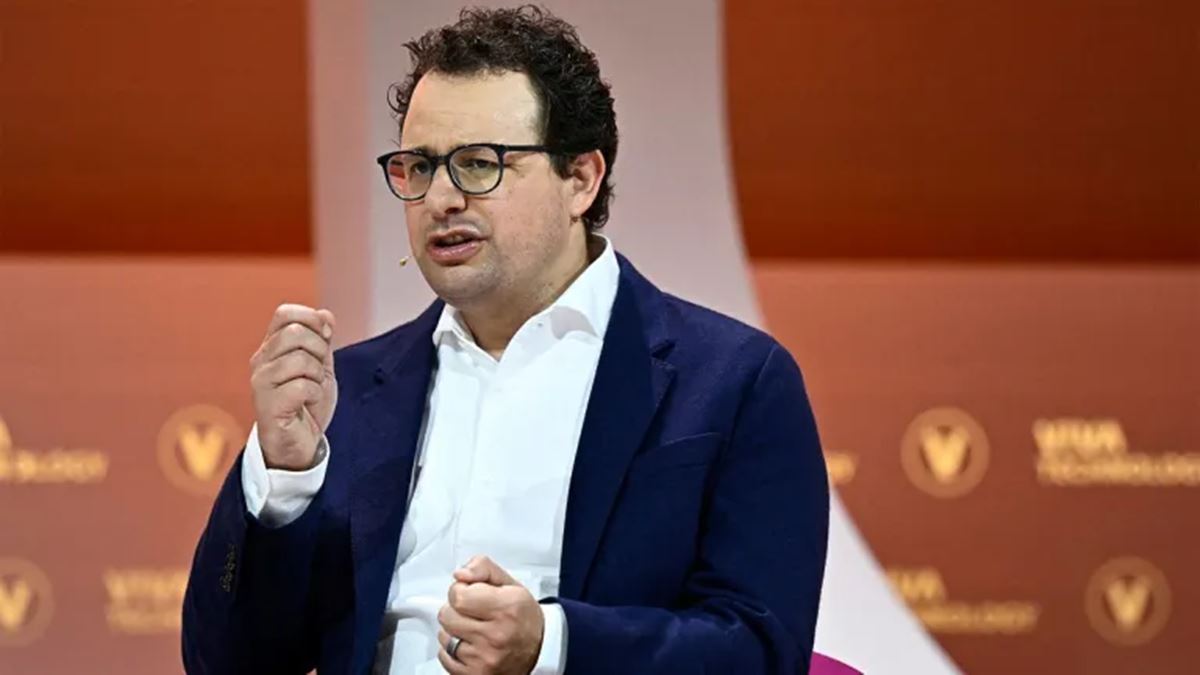
“The entire workflow will encompass all processes throughout departments from both tech and HR perspectives, with the question shifting from replacing humans through technology to enabling humans through technology to perform better. Companies will bring the chief technology and chief human officer roles closer together or even merge them, acknowledging that employee experience and technology strategy cannot exist independently,” said Kai Werner, Chief Human Resources Officer, TeamViewer.
Translating strategic leadership into more collaborative decision-making is seen as critical. Werner called for HR leaders to “start thinking fully digitally or risk becoming obsolete,” urging joint efforts with IT to address evolving workplace needs and the integration of AI agents.
Digital friction risks
Workplace dissatisfaction arising from digital friction-technology malfunctions or slowdowns-has become a pressing issue. Many employees report frustration over IT problems and are increasingly making job decisions based on the quality of their digital workplace experience.
TeamViewer research found that 47% of employees say digital friction makes them less satisfied at work, with 28% considering quitting due to IT dysfunction. Seamless IT infrastructure is now considered a factor in talent retention, as more employees expect work technology to match the usability of consumer devices.
“Organisations with fragmented communication channels, slow-loading systems, and poor interoperability across platforms will inevitably see their best talent leaving to join competing companies offering superior digital experiences,” said Werner.
Companies are being encouraged to invest in monitoring systems that pre-empt digital issues and to heed feedback from their employees to minimise friction.
Employee well-being
There is a trend in employee well-being strategies moving away from physical perks toward meaningful engagement with work. Employees show a preference for workplaces and cultures that align with their personal values and life stage, with technology playing a significant role in making daily tasks more fulfilling.
“Invest in technology that makes tedious tasks feel meaningful rather than cumbersome – tools that support rather than frustrate, that enable rather than restrict. Develop your organisational culture around values that resonate emotionally, such as ‘we are family,’ recognising that employees spend significant time at work and need to feel they genuinely want to be there,” said Werner.
Feedback and communication remain essential, with attention to staff experiences viewed as forming the majority of any solution for improved well-being.
AI acceptance
Concerns around artificial intelligence are expected to decline as companies clarify how AI will support, rather than replace, human roles. Transparent guidelines and communication will underpin trust and allow employees to see how their responsibilities can evolve alongside AI.
“Companies that invest in transparent AI guidelines, clear communication about where AI assists versus where humans lead, and personal development paths showing how employee roles evolve with AI integration will see a shift toward positive employee sentiment toward AI adoption,” said Werner.
Organisations are being urged to focus on training and clear development paths, helping employees acquire new skills to complement increasing AI integration in the workplace.
Source – https://itbrief.co.nz/story/organisations-align-hr-it-to-boost-employee-experience