

















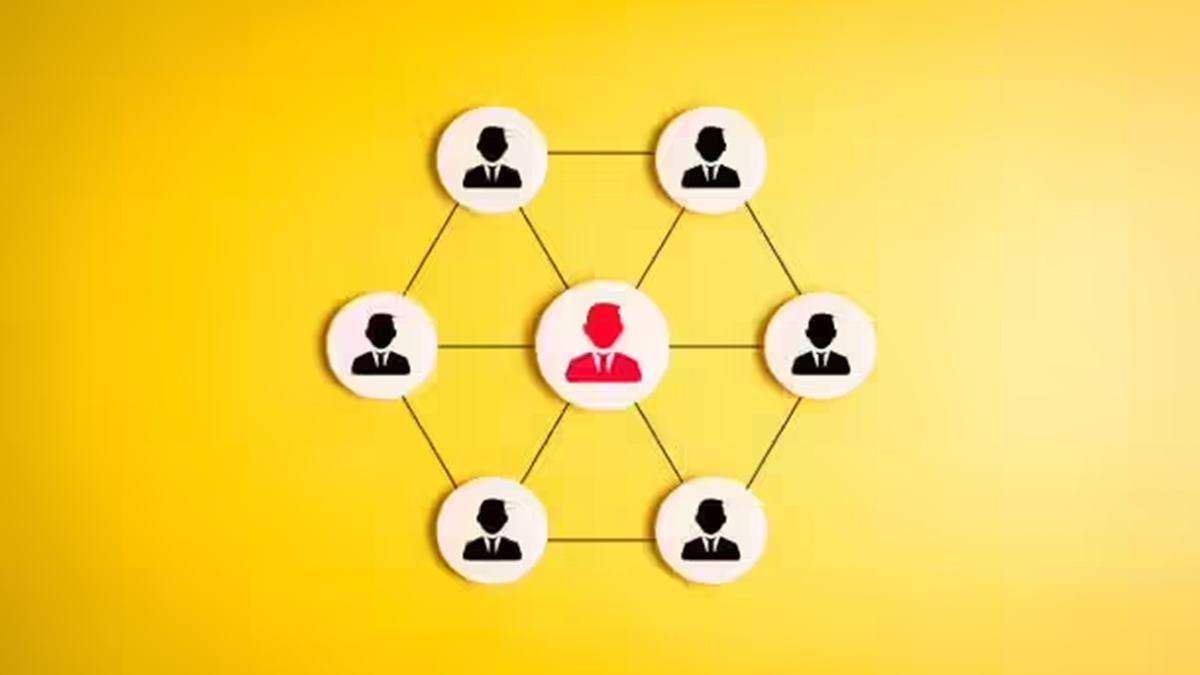
It is normal in the workplace that relationships can’t be positive all of the time. Most people can think of a critical incident which ended up in a difficult situation between two or more people that seems to have had a longer-lasting impact. Examples of issues that could lead to a breakdown in relationships could include:
- A disagreement over a decision
- A perception that someone has behaved unprofessionally towards someone else
- Someone feels left out of an activity or decision-making that they believe they should have been involved in
- Perception that someone has been rude or disrespectful
- Concerns about poor performance
Colleagues in the workplace don’t have to be friends, but there does need to be a professional relationship for the good of all parties and the organisation. The impact of a breakdown in relationships could manifest itself in several ways, including;
- Employees who no longer want to work together
- Subdued atmosphere in the team
- Withholding support or co-operation on tasks
- Reduction in productivity or performance
- Perception of ‘nitpicking’ over small issues
- Perception of employees trying to score points against each other
- Employees using their expert power as a tool against others
- A wider group of employees reports a negative atmosphere
- Employees feel like they need to pick ‘sides’
Poor working relationships can be problematic when they hurt the rest of the team, as they may not be able to reach their potential, and in the worst-case scenario, they may choose to look for a new role where there is better team morale. For organisations, the costs of losing people and having to recruit replacements may be high, and this could be considered as avoidable costs.
Positive working relationships can have many advantages, including increased employee engagement, which can maximise productivity and efficiency. There are many additional benefits of having a harmonious workplace where people enjoy being part of a team and working together, and this can include the generation of new ideas and increased employee well-being.
The New Year gives a good opportunity to press the reset button on any problems with team dynamics between small groups of people. Dealing with the situation can be beneficial for the employees who have had a relationship breakdown, as it is likely to have an impact on their well-being and stress levels.
It is important to first understand what the issue might have been – was it to do with a specific task or activity? Was it a clash of personalities? Often, the employees involved don’t consider the issues the relationship breakdown has on other people in their team and how it can affect them. Then the next step is to acknowledge that something has taken place – whether it was done purposely or not.Mediation can be a really useful way of resetting relationships, and this doesn’t always have to be as part of a formal HR process. Mediation can be more informal and provide the opportunity for both parties to share their perspectives on what went wrong and be supported to agree on how further instances could be minimised or avoided altogether. Within mediation, all parties should have a chance to speak and be listened to without interruption; the mediator needs to ensure that the tone remains respectful throughout. Highlighting common ground and shared goals will hopefully guide the conversation towards future actions. Finally, it is advisable to agree on a protocol for what would happen next time if a problem arose – how could it be dealt with swiftly and fairly?
One-off mediation sessions may not be sufficient on their own, and therefore either the mediator or line managers should check in with all parties to make sure that actions have been completed and there are no further concerns.
If a reconciliation isn’t possible, a set of work engagement rules needs to be set up, with a shared understanding by all parties to ensure that the workplace doesn’t suffer. Reminding the employees about the benefits of positive working relationships can also be powerful.
If the breakdown in the relationship is due to something more significant that may lead to a potential grievance, it is important to involve the HR team as soon as possible so they can determine the next steps. In some cases, an investigation may be necessary, or they may seek to bring on board more formal mediation facilitated by an external expert.
Creating opportunities for all employees in the team to reconnect can also be powerful. This doesn’t have to be anything grand or overly formal – for example, it could be a team lunch. If team morale seems to have been affected, the HR team could also look to facilitate some team-building activities to get working relationships back on track.
Finally, it is useful for the relevant line managers to reflect upon what happened so that they are clear about how potential triggers can be avoided and future problems nipped in the bud. This may involve setting up more regular team meetings and other mechanisms for their team to identify any concerns at an early stage.