
















For much of the 20th century, the value of an office was measured in simple terms: cost per square meter and proximity to business districts. Offices were largely transactional spaces designed to house employees and facilitate basic business functions.
That definition has dramatically shifted in recent times; the modern workplace is now a strategic asset. In an era defined by hybrid work, rising employee expectations, and intense competition for talent, the true measure of a workspace’s value is in the experience it delivers, the productivity it enables, and the brand identity it projects.
One of the clearest markers of this transformation is a focus on experience. Today’s workforce, particularly younger generations like Gen Z, expects more from their workplace than a desk and a stable internet connection. They want spaces that inspire creativity, foster connection, and support their overall wellbeing. A recent Deloitte survey highlighted the need to create workplaces that are destinations aligned with an employee’s lifestyle, values, and aspirations.
This is especially relevant with the Middle East’s young populations, where over 60 per cent are under 30. In Saudi Arabia, two-thirds of nationals fall into this demographic, while in the UAE, nearly half the population is between 15 and 35. Thoughtfully designed workspaces that integrate wellness, technology, and flexibility will appeal to this new generation of talent.
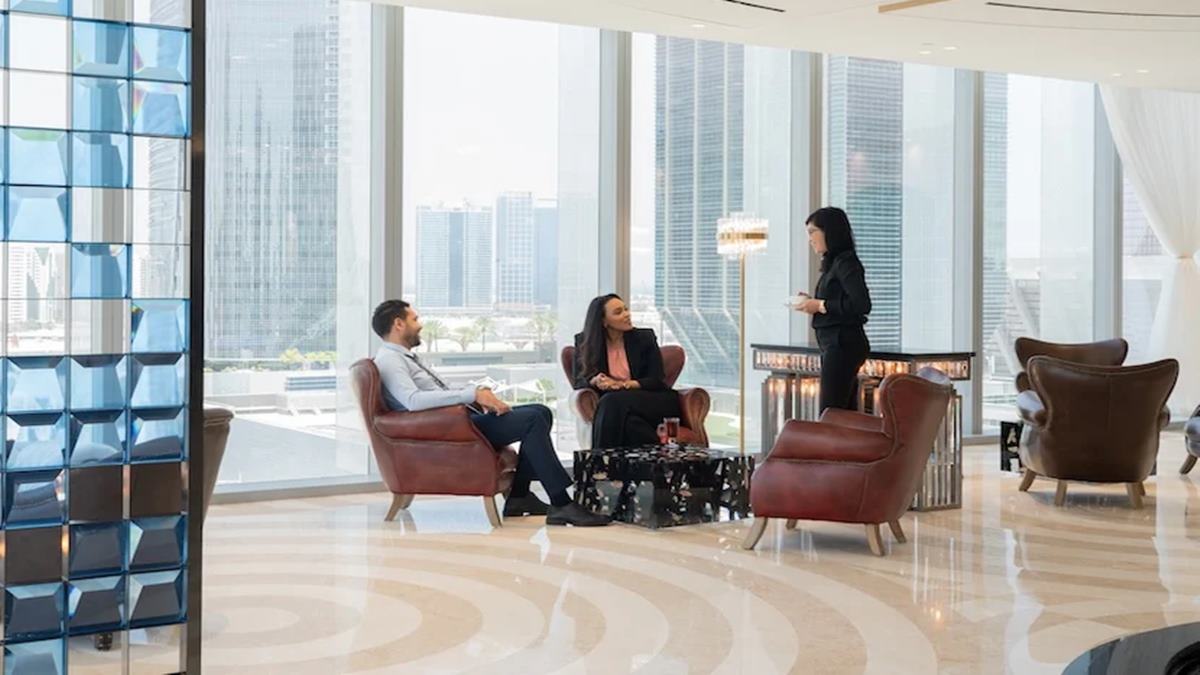
Amenities once considered luxuries, like private gyms, wellness rooms, and lounge-style collaboration zones, are the must-haves for environments where people genuinely want to spend their time.
This reflects a broader truth about modern work culture: return-to-office strategies cannot be enforced by mandates alone. Lasting engagement is driven by environments that invite people back, where the company culture feels tangible and collaboration is effortless. In this sense, experience has become the new currency of workplace value.
How workspaces can boost productivity
Beyond experience, workspace design and infrastructure directly influence performance. Factors like agile layouts, ergonomic furniture, abundant natural light, and intuitive technology all contribute to driving efficiency and innovation. In today’s dynamic work models, productivity is measured not just in output but in how effortlessly individuals and teams can function, whether they are focused on deep work, engaging in spontaneous collaboration, or connecting with colleagues across geographies.
The right workspace enables employees to perform at their best. When the environment is designed to minimise friction, people can achieve more. This includes operational support as well. When offices offer services such as professional concierge, on-site IT support, and administrative assistance, employees are freed from distractions. This allows them to concentrate on their core responsibilities and businesses, focusing on their primary goals. The integration of high-quality service and thoughtful design transforms the office from a passive location into an active enabler of performance.
A powerful stage for culture
The modern office has also become a powerful stage for brand and culture. A workspace communicates a company’s values, aspirations, and credibility, not only to its employees but also to clients, partners, and stakeholders. This has fueled a global “flight to quality,” where businesses increasingly seek Grade-A, sustainably certified, and thoughtfully designed offices that align with their reputation.
The question for business is no longer, “Does this office fit my budget?” but rather, “Does this office reflect who we are and how we want to be perceived?” The right office does more than accommodate a team; it embodies the spirit and values of the organisation. A workspace serves as a tangible extension of a brand’s ethos. A sustainability-led design conveys corporate responsibility. A premium location reflects ambition and success. A community-driven layout signals a culture of inclusivity and collaboration. Companies that invest in high-quality, flexible environments signal ambition and genuine care for their people.
As we rethink the role of the physical office, one truth stands clear: value is no longer measured by cost per square meter. ROI is delivered through enhanced employee engagement, greater productivity, and stronger brand equity. The most successful workspaces of the future will be dynamic ecosystems where people, performance, and purpose converge.
Source – https://gulfbusiness.com/workspaces-that-inspire-not-require/