


















Heavy use of artificial intelligence tools is inflicting “AI brain fry” among employees, with human resources professionals among those most likely to be affected, a new study has found.
The research, carried out by Boston Consulting Group, examined how intensive use of generative AI is reshaping employees’ cognitive load. The survey covered 1,488 workers at large companies across industries and job levels.
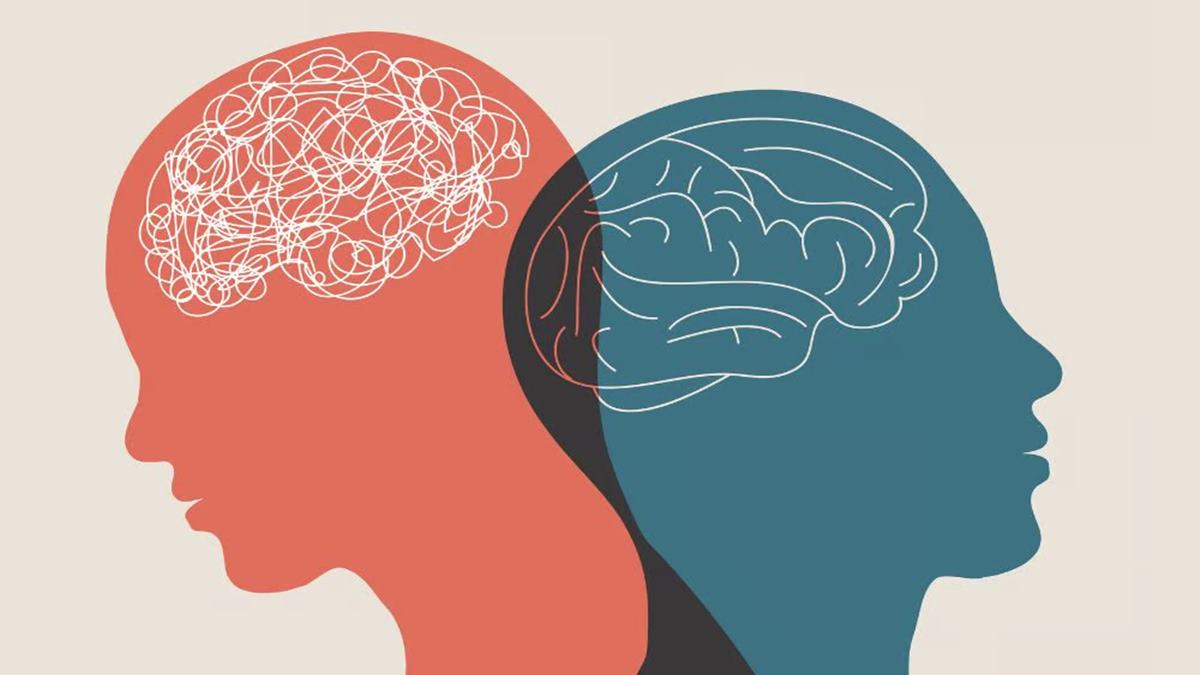
The authors defined AI brain fry as “mental fatigue that results from excessive use of, interaction with, and/or oversight of AI tools beyond one’s cognitive capacity.”
According to the study, published by Harvard Business Review, 14% of workers who use AI on the job reported experiencing this kind of strain, often describing it as a “buzzing” feeling, mental fog, or a “mental hangover” that slows decision-making and makes it harder to focus.
Marketing employees reported the highest rates of AI brain fry, at 25.9%. Human resources and people operations staff followed closely, at 19.3%. Other industry roles experiencing brain fry include:
- Operations (17.9%)
- Engineering or software development (17.8%)
- Finance or accounting (16.7%)
- Information technology (16.0%)
- Sales or business development (12.5%)
- Customer service or support (10.6%)
- Service provider or consultant (10.3%)
- Product management (8.6%)
- Management or leadership (8.6%)
- Legal or compliance (5.6%)
Suffering from ‘AI Brain Fry’
The study found that the single most mentally taxing pattern of AI use was intensive oversight – the degree to which tools had to be constantly monitored, checked, or corrected by humans.
A senior engineering manager quoted in the article said the proliferation of tools left their mind feeling crowded.
“I had one tool helping me weigh technical decisions, another spitting out drafts and summaries, and I kept bouncing between them, double-checking every little thing,” the manager said.
“But instead of moving faster, my brain just started to feel cluttered. Not physically tired, just… crowded. It was like I had a dozen browser tabs open in my head, all fighting for attention.”
A finance director reported a similar effect after using AI to structure a major piece of work.
“I had been back and forth with AI reframing ideas, synthesising data, forming and organizing the flow of pillars and work… I couldn’t even comprehend… if what I had created even made sense… just couldn’t do anything else and had to revisit the next day when I could think,” the director said.
According to the researchers, employees who reported experiencing AI brain fry showed 33% more decision fatigue than those who did not.
They also reported making mistakes more often – 11% more frequent minor errors such as formatting issues, and 39% more frequent major errors with serious consequences.
The condition was also associated with higher turnover risk. Among workers using AI who did not report brain fry, 25% showed active intent to leave their jobs. Among those who did report AI brain fry, that share rose to 34%.
Patterns of AI adoption within teams and organisations appeared to shape outcomes. Employees who felt pressured by their teams to use AI, or who believed their organisations would expect them to accomplish more work because of AI, reported higher mental fatigue.
Workers who felt their employers valued work‑life balance reported significantly lower levels of mental strain, even when using AI tools extensively.
Addressing ‘AI brain fry’
The authors say the risk is not driven simply by how much AI an individual uses, but by how organisations structure that use.
They recommend redesigning jobs and workflows so that responsibility is shared between humans and AI systems, with clear limits on how many agents a single worker is expected to oversee.
“Our research suggests adverse productivity gains after the use of three AI agents at the same time,” the researchers said.
“By contrast, when teams embed AI deeply in their workflows, and treat the technology as a collective capability rather than an individual differentiator, cognitive burden diminishes.”
They also urge leaders to set explicit expectations about what AI is for and how it will affect workloads.
“When organisations celebrate ‘productivity gains’ without clarifying workload implications, employees interpret this as work intensification. That ambiguity alone may increase stress,” the report read.
“Leaders reduce strain when they clearly define AI’s purpose in the organization, articulating how it reshapes role scope, setting guidance around oversight, and clarifying how workload will evolve.”
The researchers further highlight the need to train workers in skills such as problem framing, analysis planning, and strategic prioritisation.
“Organisations should evolve people analytics measures to monitor cognitive load overall, and safeguard against mental fatigue with AI use as a novel job-related risk,” the researchers said.
“Cultures, teams, and leaders that prioritise cognitive thriving can expect to see better judgments, fewer errors, and higher retention rates for top talent.”
Source – https://www.hcamag.com/nz/news/general/too-much-ai-causing-brain-fry-among-employees/568616