













As 2025 draws to a close, one question has begun to dominate boardrooms, HR conversations, and everyday workplace chatter: do we have to choose between well-being and productivity? For years, the modern work narrative has glorified busyness, long hours, packed calendars, and constant availability often mistaking exhaustion for achievement. But the cracks in that mindset are now impossible to ignore.
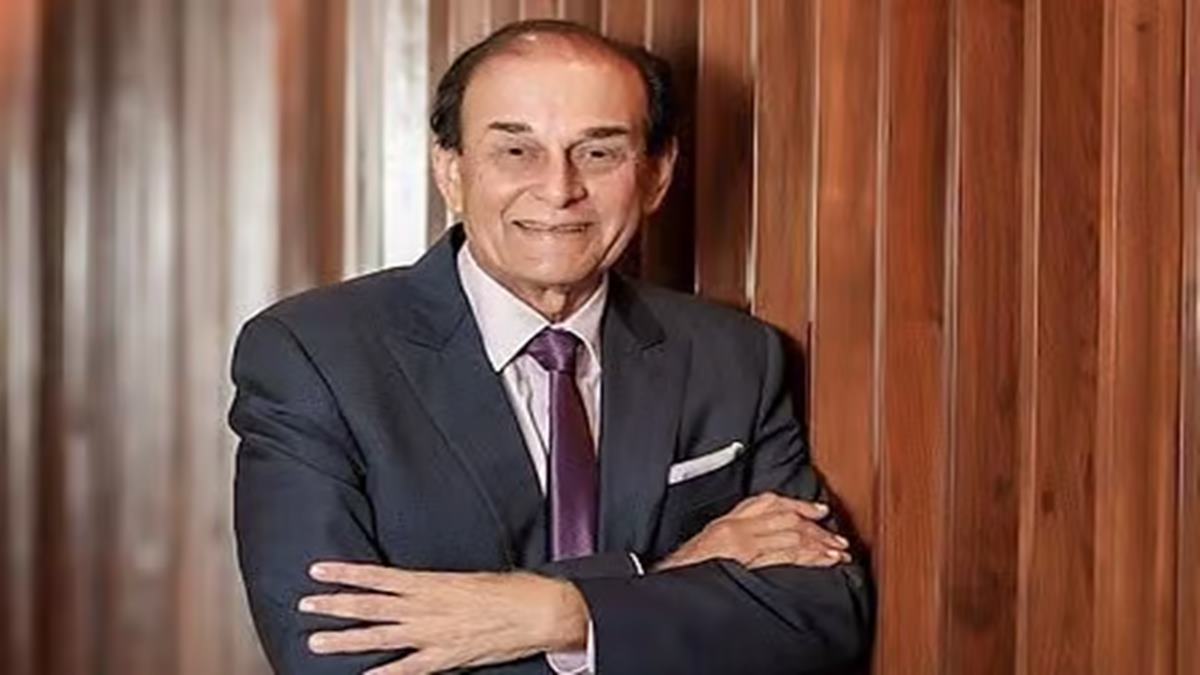
Dr Malini Saba, psychologist, human and social rights activist, and founder of the Saba Family Foundation, believes 2025 has acted as a collective wake-up call. “We’ve noticed just how exhausted everyone is,” she says, pointing out how being “busy” is still worn like a badge of honour, even though it rarely translates to meaningful output. According to her, constant motion doesn’t equal productivity, it often just means people are tired.
This fatigue, she explains, directly affects how people function at work. When employees feel stressed, overworked, or stretched too thin, creativity stalls, focus fades, and energy drops. In contrast, even a small amount of breathing space and support can dramatically change outcomes. People think more clearly, make better decisions, and begin to enjoy their work again. The difference, Dr Saba notes, lies not in working less, but in working with balance.
She is careful to clarify that prioritising well-being is not about avoiding responsibility or lowering standards. Instead, it’s about recognising that work is only one part of life not life itself. Simple shifts such as flexibility, empathy, and allowing people room to be human can have an outsized impact. “When we feel cared for, we give more back, not less,” she explains, reframing well-being as a catalyst rather than a compromise.
Echoing this sentiment from a structural and design-thinking lens is Navyug Mohnot, Stanford-certified educator and facilitator, Designing Your Life (DYL). He argues that the perceived tension between well-being and productivity is largely a framing problem. “For years, we have treated them as opposing goals,” he says, as though emotional support would weaken output. “But 2025 has shown us the opposite: well-being is not a perk or an add-on; it is the strategic infrastructure that keeps performance sharp.”
Mohnot warns that productivity built on exhaustion is fragile. Over time, chronic fatigue narrows creativity, weakens judgement, and erodes the very cognitive skills that modern work demands. From the DYL perspective, people do their best thinking when their environments are intentionally designed for energy, clarity, and meaning. Pressure without recovery only creates friction; autonomy and space to reset, on the other hand, lead to deeper, more thoughtful work.
Looking ahead to 2026, both experts agree that organisations that truly stand out will be those that internalise this shift. Dr Saba believes the most meaningful workplaces will reject the idea that work has to feel like a grind to be valuable. “Taking care of people and yourself isn’t soft. It’s smart,” she says, adding that happiness and productivity are not mutually exclusive. When they coexist, the results are more sustainable and lasting.
Mohnot extends this idea further, predicting that successful companies will begin to approach workplace culture as a design problem. The focus will move toward prototyping healthier rhythms of work, removing unnecessary friction, and creating conditions where people can focus without burning out. In this future, productivity won’t be measured by longer hours or sheer volume of output, but by better outcomes driven by minds capable of high-quality, intentional thinking.
Ultimately, the debate shaping 2025 is no longer about choosing between output and well-being. As Mohnot puts it, the conversation is shifting from extraction to enablement and that shift will define the work culture of 2026. Or, as Dr Saba simply advises: pause, breathe, remember you’re human, and take care of the people you work with. Do that, and everything else will follow.