










The workplace is entering one of its most transformative phases yet. After years of grappling with hybrid work, AI disruption, evolving employee expectations and a workforce that romanticises hustle culture, 2026 signals a turning point. Organisations are no longer likely to depend just on legacy thinking or outdated operating models.
Employees today know exactly what they want from their jobs. Companies are finally acknowledging that productivity is not a function of presenteeism. And AI has moved from a buzzword to a quiet, ever-present co-pilot behind every workflow. From microshifting to psychological safety, from augmented employees to all-round benefits, the future of work isn’t about choosing technology or humanity—it’s about building systems where both elevate each other.
Here’s what 2026 will look like, according to workplace and HR leaders.
Seeking More Benefits
Younger professionals are entering the workforce with far more self-awareness. They want careers that help them grow, not jobs that drain them. Work-life boundaries, once a luxury, are now non-negotiable. As Mumbai-based work-life balance coach Bhakti Talati notes, “Many professionals today are willing to give up titles for autonomy and flexibility. They want to grow, but they also want time for life beyond work.”
Even high-paying roles are now being declined in favour of jobs that offer balance, boundaries and room for a life outside work. Millennials are absorbing these shifts too, learning healthier work practices from their Gen Z colleagues.
In 2026, companies that win loyalty won’t be the ones offering the fattest pay cheques, but those offering thoughtful leave policies, flexible hours, faster recognition, and growth paths that don’t come at the cost of one’s life.
Redefining Productivity
The eight-hour workday has long been treated as sacred, but it simply doesn’t match how people function. Our energy spikes and dips through the day, and microshifting aims to honour that rhythm.
Ankit Aggarwal, founder and CEO of Unstop, a community engagement and hiring platform for Gen Z, describes it as “a structural upgrade to how productivity is understood”. Microshifting encourages employees to work in short, intentional bursts aligned with their natural focus patterns, and blend these intervals with personal responsibilities without guilt. “As organisations move toward outcome-based evaluation and asynchronous collaboration, microshifting represents more than just a flexibility trend, it is a structural upgrade to how productivity is understood,” he adds.
Augmented Employees
In 2026, AI will no longer be an add-on but will power routine tasks. But the rise of the augmented employee isn’t about sidelining humans; it’s about elevating them.
Aggarwal puts it simply: AI allows people to move from “doing more tasks” to “directing smarter systems”. Scheduling, documentation, summarisation, and research will increasingly shift to AI co-pilots, giving employees more time for the kind of thinking machines can’t replicate. Creative thinking, problem solving and important decisions will continue to be the territory of humans.
But this transformation also demands a new kind of literacy. Sindhu Gangadharan, managing director at SAP Labs India, notes that every employee will need the confidence to work with intelligent systems, understanding the insights they generate and applying them responsibly. AI fluency will no longer be the domain of tech teams alone; it becomes a universal capability embedded across roles, functions and industries.
This also means training needs to evolve. Learning won’t be about mastering tools, but about learning how to think with AI, challenge assumptions, unlearn outdated methods, and relearn continuously.
Hiring Style Gets a Twist
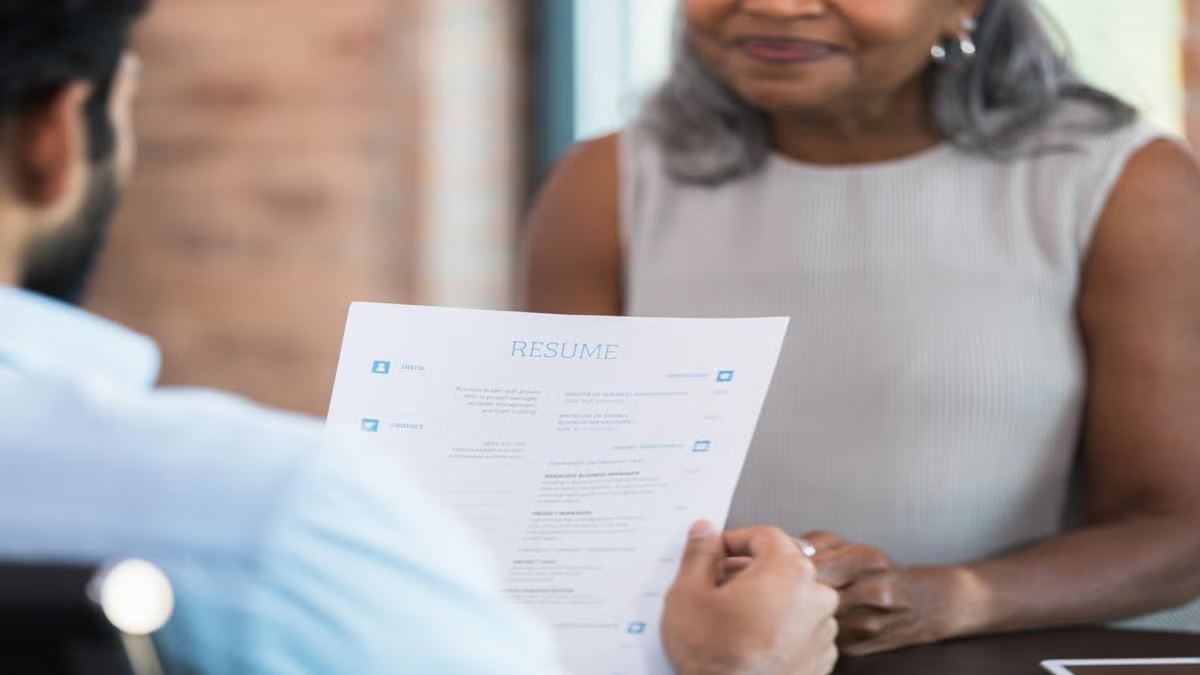
Technical skills alone are no longer a differentiator, AI has levelled that field. What sets individuals apart now is their ability to combine digital fluency with human abilities. Talati says, “While automation, digital fluency, AI, and project management skills are important today, cognitive abilities such as decision-making, conflict resolution, and cross-functional communication are equally critical.”
This means companies will increasingly hire people who can navigate ambiguity, collaborate across functions, handle difficult conversations and bring sound judgment to AI-generated insights. The winning workforce of 2026 is one that is as emotionally intelligent as it is technologically adept.
Upskilling, a Constant
Annual training programmes can’t keep up with the speed of technological change. AI evolves weekly and so must employees, believes Sidharth Thakur, director at staffing and recruitment firm Grassik Search. He reiterated that professionals will need to “unlearn and relearn continuously to stay relevant.”
Learning in 2026 will be more fluid, through micro-courses, self-directed modules, and everyday experimentation. Companies that nurture this mindset will build teams capable of moving fluidly across projects, functions and even entire career trajectories.
Flexibility Matters
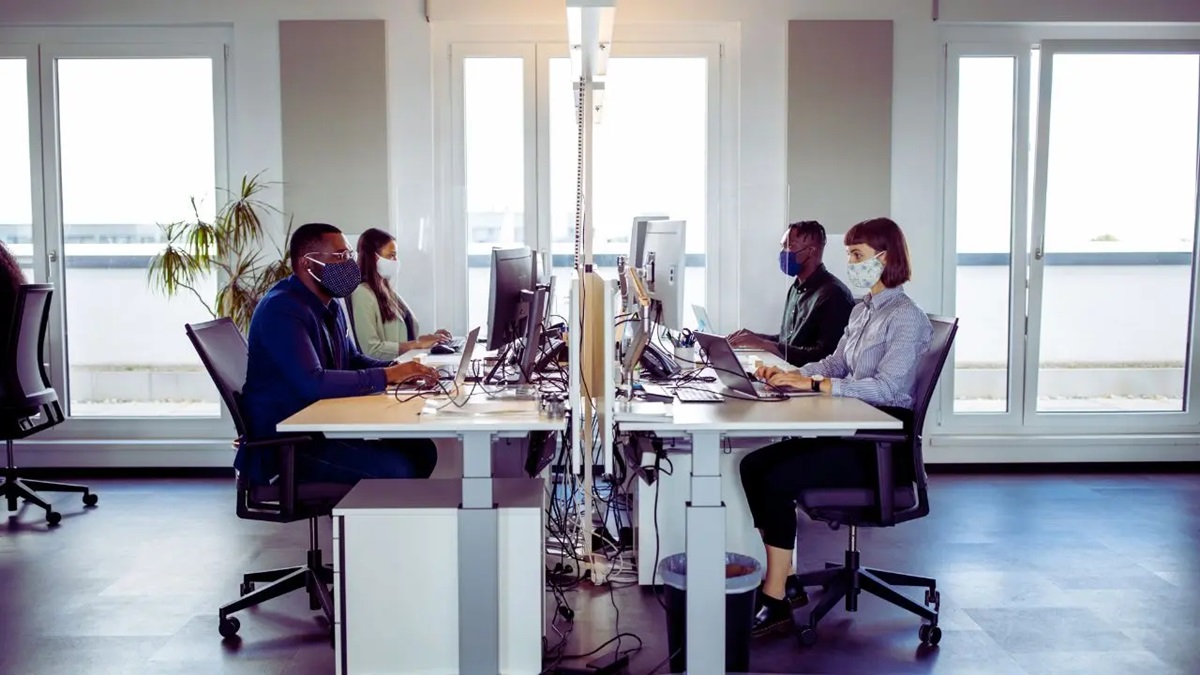
The flexibility debate is no longer about remote versus office; it’s about trust. Thakur puts it well, “Flexibility in 2026 will be grounded in respect for individual working styles.”
That might mean choosing their own location to work from for some, compressed hours for others, or simply the freedom to manage one’s energy instead of one’s clock. As companies lean into this mindset, sabbaticals, mental-health leave, parent-friendly policies and fluid schedules will move from perks to expectations.
Psychological Safety Comes First
For years, mental health sat on the sidelines of corporate conversations but not anymore. Thakur points out that seeking help will become more accepted as mental health becomes central to well-being.
“Companies are realising that psychological safety isn’t a soft benefit but the foundation for innovation, trust, and long-term retention. Managers are being trained to recognise burnout, teams are being encouraged to speak up, and wellness is shifting from ad-hoc workshops to year-round support systems,” he adds.
A psychologically safe employee isn’t just happier; they’re sharper, more committed, and more willing to take risks.
Performance Speaks Louder
The annual appraisal is gradually fading away. By 2026, performance management will be driven by real-time, honest conversations rather than once-a-year summaries. Sindhu Gangadharan emphasises that “progress will be driven by regular, honest dialogue; not rigid annual reviews.”
Managers will function more as coaches, aligning expectations, offering feedback throughout the year, and guiding employees through shifting business priorities. Careers will expand through projects and experiences rather than linear tenure, and agility will become a defining professional advantage.