




















It’s Monday morning, the kind of morning when technology just needs to work. Then suddenly, it doesn’t. An employee needs access to a critical server, or an app stops responding right before an important presentation.
The reaction is almost instinctive: frustration. Because everyone knows what comes next. Work pauses. Focus breaks. The employee opens another browser tab and hunts for the right portal. Then comes the tedious part: filling out a form, checking mandatory boxes and waiting for an email confirmation that might take hours or even days.
But who has time for that anymore? According to a recent report, 78% of employees expect their service requests to be resolved within 24 hours. Today’s workforce doesn’t want another app to learn or remember. They expect service delivery to be as simple as starting a conversation. In fact, 42% of end users now prefer live chat over email when looking for help with IT issues.
The answer is simple: IT support should meet employees where they already work.
Acceleration, Not Just Automation
The IT industry has already been fond of quick fixes. There was a time when chatbots were seen as the answer. They helped somewhat with basic FAQs and sharing knowledge articles, but ultimately fell short because they couldn’t fix real-world IT problems. That’s why only 6% of IT leaders believe that chatbots are “effective and highly adopted” for self-service.
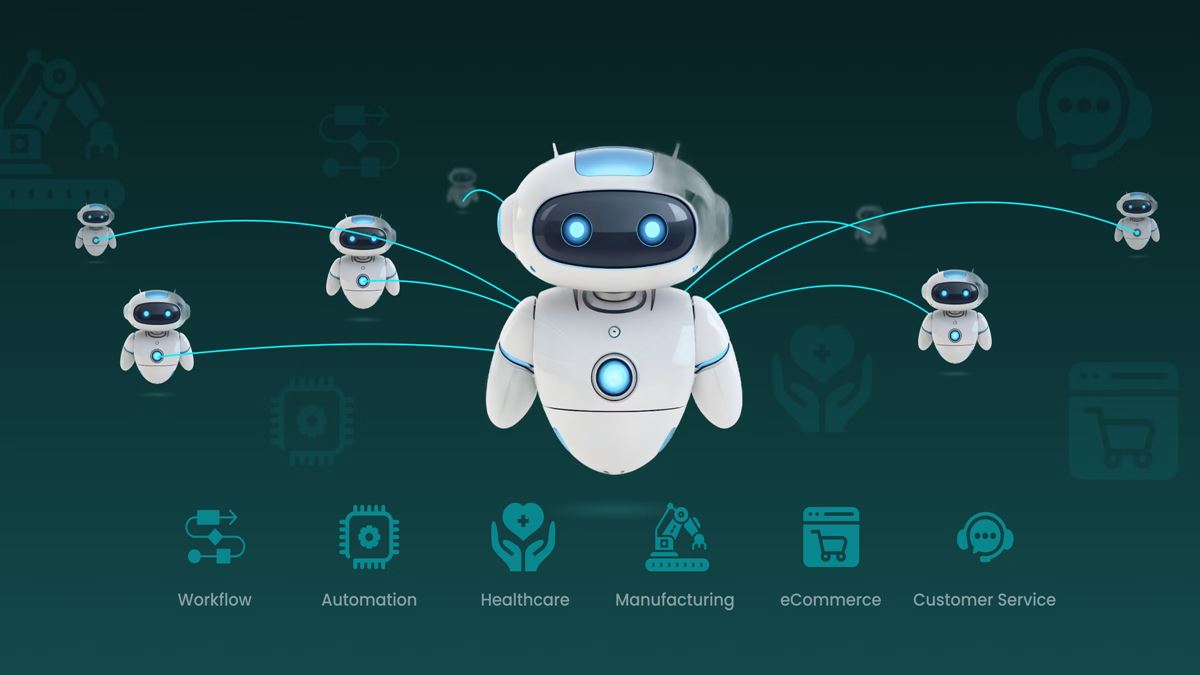
Today, organizations are focused on delivering IT services that are powered by agentic AI and designed for ChatGPT-like conversational experiences. This means relying on embedding IT workflows directly into the collaboration tools employees use every day, like Slack or Teams, and deploying intelligent, autonomous agents powered by GenAI that can take actions and proactively resolve requests 24/7.
The ultimate goal is scaling the IT workforce by deploying agents and empowering human teams to resolve issues in minutes, not hours.
The New Approach
Consider a typical scenario. Let’s say an employee named Ron needs a new monitor. Traditionally, that means logging in to a service portal, submitting a request and waiting for approval.
However, in an environment like Slack or Teams, the experience feels entirely different. Ron simply types his request and the system already knows his role, department and equipment profile. No lengthy forms, no manual steps. The process feels seamless and personal.
Now, picture a more stressful moment. An hour before a big meeting, Ron’s VPN connection drops. Almost instantly, the AI agent in Slack or Teams steps in to help. It accesses the organization’s knowledge base and resolution history to provide instant troubleshooting recommendations. When those steps fail, it automatically flags the issue as high priority for the IT team. Throughout the process, Ron never has to leave Slack or Teams or fill out a single form.
The benefits also apply to the IT team. In our example, a technical support engineer is automatically assigned the high-priority incident. From within Slack or Teams, she quickly pulls an incident summary and spots related cases and realizes this isn’t an isolated problem. With the help of the configuration management database (CMDB), she can pinpoint the issue—in this case, an expired certificate—and fix it. Within minutes, the incident is resolved for all affected employees, without switching tools or digging through multiple systems.
Core Principles Behind The Change
For this model to work effectively, IT leaders need to focus on three key principles:
1. Collaboration Over Silos: Real-time collaboration, often called “swarming,” is rapidly replacing the traditional handoff model. When complex issues arise, multiple specialists can engage simultaneously to solve the problem. This collective approach accelerates resolution.
2. Centralized Experience: Employees shouldn’t have to chase information across five different systems. A centralized hub inside their primary collaboration platform lets them track requests, approvals and updates instantly.
3. Unified Intelligence: Knowledge often lives in scattered sources such as wikis, databases and shared drives. A unified, AI-powered search capability bridges these gaps and connects every piece of information. With contextual insights available on demand, IT teams can respond faster and deliver more accurate resolutions.
Delivering agent-first IT service is highly complex. An MIT report found that about 95% of generative AI pilots fail to reach production. This could be because of underestimated integration, governance, security and operational challenges. This is why enterprises should prioritize evaluating their strategy rather than attempting to build agentic systems from scratch quickly. Internal builds can be expensive, take years to mature and may deliver inferior results in real customer environments.
The Way Forward
The need for a truly Slack/Teams-first, agent-first IT service is clear, driven by the demand for speed and simplicity. Traditional IT service tools that rely on forms and portals add unnecessary steps and costs. The new approach simplifies everything by bringing intelligent service directly into the flow of work.
By empowering the IT help desk with AI and giving them instant context, humans and AI can work together to solve issues faster than ever. This collaborative model, built on trust and strengthened by security and guardrails, sets the foundation for higher productivity and a better experience across the workforce.