
















The year 2025 marked a defining shift in how organisations understand and manage talent. The focus moved beyond designations, job titles, or years of experience, toward competency-based talent development. This transformation has redefined not only how organisations hire but how they build, nurture, and retain capability for the future.
In a fast-changing industrial environment, particularly in the energy and infrastructure sectors, the conversation around workforce evolution is no longer theoretical. It is about how organisations operationalise change, making competency, inclusivity, flexibility, and technology the cornerstones of a sustainable people strategy.
From Job Descriptions to Competency-Based Organisations
Across industries, HR leaders spent much of 2025 shifting away from position-based recruitment models. Instead, the emphasis turned to competency frameworks, transparent structures that map the skills, behaviours, and knowledge required for each role, and the pathways for team members to move across them.
This approach brought greater clarity to both employees and hiring managers. It allowed individuals to see where they stand today, identify their development gaps, and chart a visible career progression path. For organisations, it offered a fairer and more objective mechanism for assessing internal and external candidates, replacing the traditional reliance on tenure or past affiliations.
In practice, competency-driven organisations democratise opportunity. They enable high-potential talent to advance based on capability rather than hierarchy, helping businesses tap into broader and more diverse pools of expertise. As industries contend with accelerated digitalisation, this clarity of competencies has become indispensable for building agile, multi-skilled workforces.
Flexibility Beyond Policy
The dialogue on flexibility in 2025 matured from a conversation about remote work to one about autonomy and accountability. Flexibility today is less about where work happens and more about how value is created.
In complex, project-driven environments, such as energy or engineering, flexible work arrangements are increasingly project-specific. They recognise that productivity stems from outcomes, not attendance. The evolving expectation, especially among younger professionals, is that organisations measure contribution by impact rather than time logged.
The future of flexibility, therefore, lies in balancing structure with trust, creating systems that enable people to perform at their best while maintaining operational discipline. This shift signals a broader movement towards output-based cultures where performance and well-being reinforce each other.
The Return of Experiential Learning
One of the most encouraging transformations of 2025 was the resurgence of experiential learning as a core development strategy. While classroom and digital learning continue to play a role, organisations have recognised that real growth happens through on-the-job experiences.
Models like the 70-20-10 learning framework, which emphasise hands-on exposure and collaboration over traditional training are seeing renewed adoption. Employees gain richer, more relevant skills when they participate in cross-border projects, stretch assignments, and job rotations that immerse them in live challenges.
This focus on learning by doing has been particularly effective in bridging the gap between theory and application. It develops contextual intelligence — the ability to translate knowledge into action — which is critical in industries navigating complex technological and regulatory landscapes.
The Emerging HR Priorities for 2026
As we move into 2026, the HR agenda is evolving once again. The challenge now is not to predict every trend, but to build organisations capable of adapting continuously. Four key themes will define this next phase:
- The Rise of Applicable AI in HR
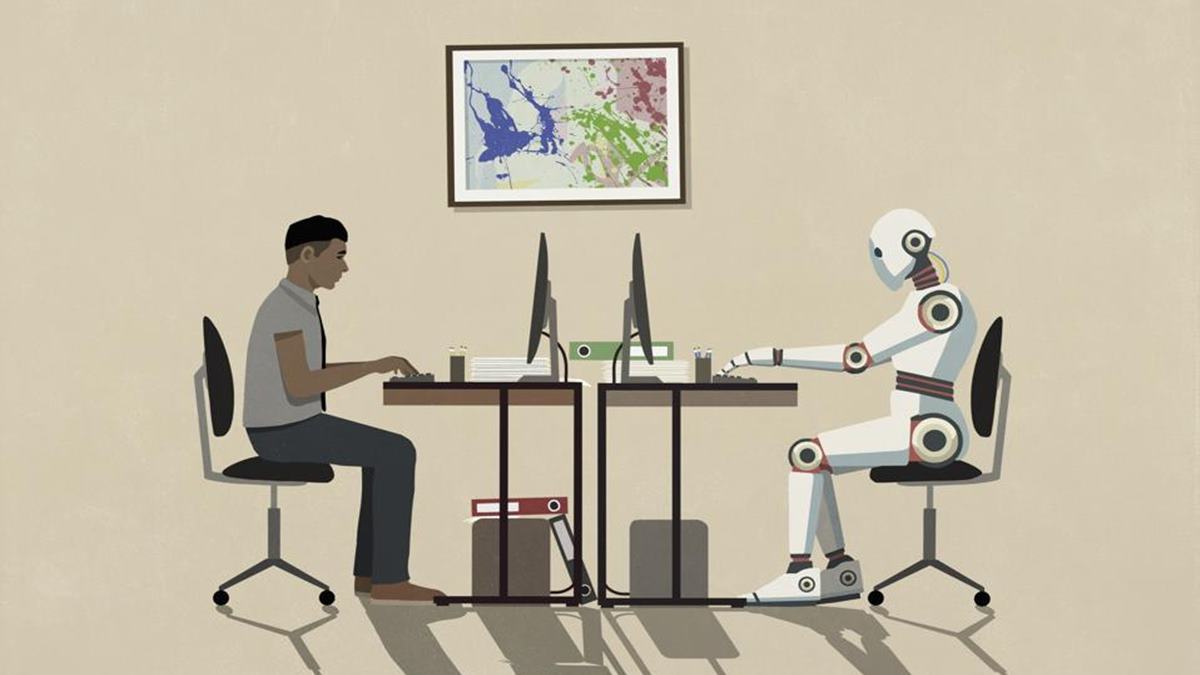
Artificial intelligence will move from exploration to execution. The focus will not be on replacing human judgment but on applying ‘applicable AI’, solutions that reduce manual effort, minimise errors, and enable faster, data analysis and data-driven decision-making. AI can play a critical role in consolidating HR systems, analysing workforce data for insights, and learning from historical patterns to prevent repeat errors. The real opportunity lies in integrating siloed tools into connected, intelligent ecosystems that provide real-time visibility into skills, engagement, and performance.
- Strengthening Data-Driven Decision Making
With multiple HR systems operating independently, data fragmentation has been a persistent challenge. In 2026, consolidation and interoperability will become strategic imperatives. Unified, cloud-based HR platforms powered by analytics will enable leaders to make decisions grounded in evidence, from workforce planning to employee experience design.
- Embedding Inclusivity, Diversity, and Equity (IDE)
The discussion on diversity has matured into a more holistic vision: Inclusivity, Diversity, and Equity (IDE). Organizations are moving from policy statements to systemic inclusion, ensuring equitable access to opportunities, resources, and growth. IDE is not just a hiring metric; it is a mindset that influences infrastructure design, leadership pipelines, and cultural cohesion. For HR leaders, the challenge lies in embedding IDE into every process, from performance management to workplace accessibility. and ensuring that inclusion translates into belonging.
- Building Future-Ready Capabilities
As automation and digitalisation reshape industries, HR leaders will play a central role in preparing workforces for emerging roles. Future-readiness will depend on the ability to anticipate capability shifts, design continuous learning pathways, and foster adaptability across generations. This means aligning talent strategies with business roadmaps, identifying which competencies will become critical in the next three years and starting to build them now through structured development and mentorship.
The Road Ahead
The HR transformation story of 2025 was about redefining how we assess, develop, and engage talent. The story of 2026 will be about how we integrate people, technology, and purpose into a single ecosystem.
As the boundaries between work, workforce, and workplace continue to blur, HR leaders will need to balance empathy with analytics, structure with flexibility, and tradition with innovation.
Ultimately, the future of work will not be determined by technology alone, but by how well organisations design human systems that can thrive alongside it.
Source – https://www.bwpeople.in/article/why-job-descriptions-are-losing-relevance-in-2026-584758