














Have we really moved the needle on employee mental health in 2025, or are we just talking about it more on forums while policies lag behind?
Throughout 2025, workplace wellbeing has become one of the most discussed, and quietly questioned, priorities in the world of work. Leaders talked about empathy, flexibility and psychological safety in the workplaces more fluently than ever. And organizations upgraded their wellness apps, mental health support and manager training programs. Yet, employee burnout continues to rise, often beyond formal disclosures, surveys and HR dashboards.
So we’re heading into 2026 with the most uncomfortable question: Is this progress, or have we hit a plateau?
The truth is – burnout is rising (quietly)
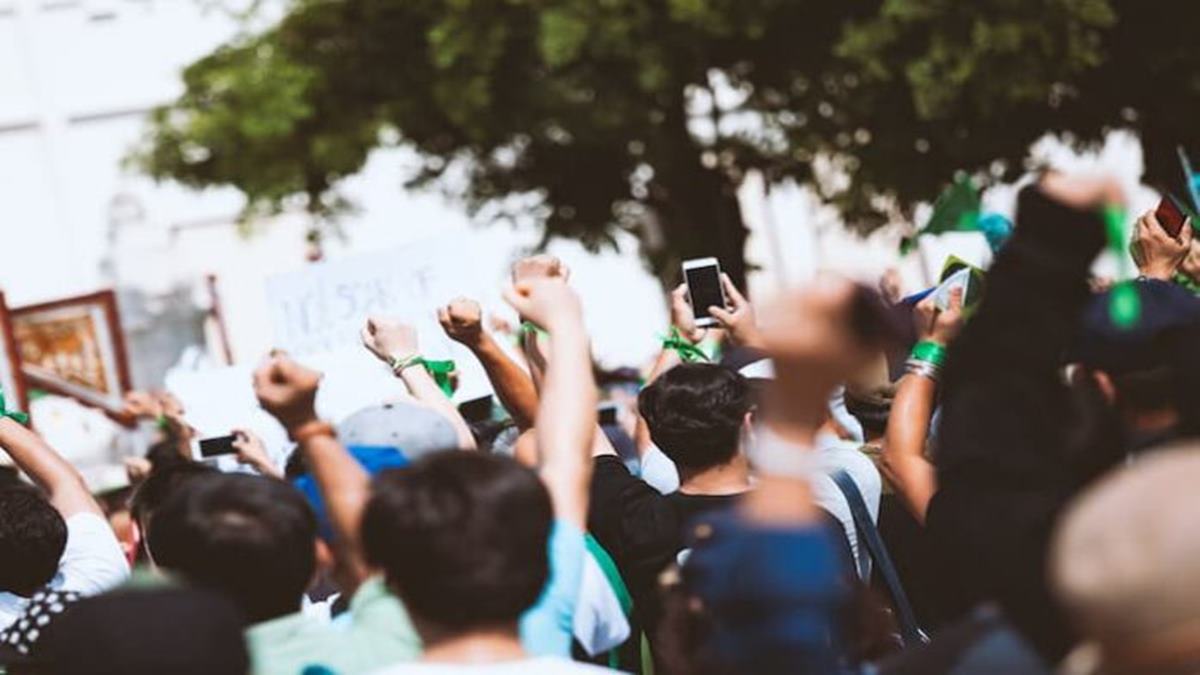
Throughout the year, there was an invisible presence of burnout inside the workplaces. But a loud (and collective) outcry externally, as employees increasingly shared their experiences publicly, on social media, anonymous forums, and professional platforms like LinkedIn, Glassdoor.
The stories revolved around keywords like long hours, always-ON culture, delayed and denied leave approvals, and emotionally draining workloads, all of which are becoming more common.
What’s telling is that many of these stories come from high-performing employees, people who are “coping” on paper but struggling in reality by carrying the weight of ‘bare minimum’ workers.
Burnout in 2025 isn’t always loud or dramatic. Often, it’s quiet, cumulative and masked by productivity.The global work culture contrast is impossible to ignore
One of the most striking trends this year has been expats openly comparing work cultures across geographies. Recently, an Indian techie working in Singapore, shared the difference in how employees apply for leave. In India, he says, employees often feel compelled to justify time off – illness, emergencies, family reasons. In Singapore, it’s simple: “Here, I don’t ask, I inform. After 6 pm, my phone is mine, not my boss’s. No calls, no guilt, just life.”
He also notes how long working hours are perceived differently. Working past 8 pm in India is often labeled “hard work,” whereas in other countries, it may signal overwork. What stands out in Singapore is the trust between managers and employees, people manage their own time, and personal hours are respected.
This sparked a wide conversation online. Many shared similar experiences, highlighting the constant “always-on” culture in India, while others hoped that young professionals speaking up could shift mindsets toward better work-life balance.
Expats in Dubai and other global hubs share similar stories: structured workdays, predictable expectations, and leadership focused on outcomes rather than constant presence. This isn’t about “easy work”, it’s about sustainable work.
Yet, not all expat experiences are positive. A 24-year-old Indian employee in the UAE recently shared feeling isolated and underutilized. Despite being hired directly by the founder, most of his work was administrative or trivial, while the COO and other staff shared inside jokes, private chats, and flexible schedules he wasn’t included in. The exclusion and lack of meaningful work left him burnt out – a form of mental exhaustion in the workplaces we often fail to notice.
Layoffs, AI-led restructuring and the anxiety beneath
The macro environment hasn’t helped much. If we look at ongoing layoffs across tech, consulting, manufacturing, media, and startups have fundamentally altered how employees experience work.
Even those who remain employed are carrying a heavy emotional load, survivor guilt, fear of redundancy, and pressure to do more with less.
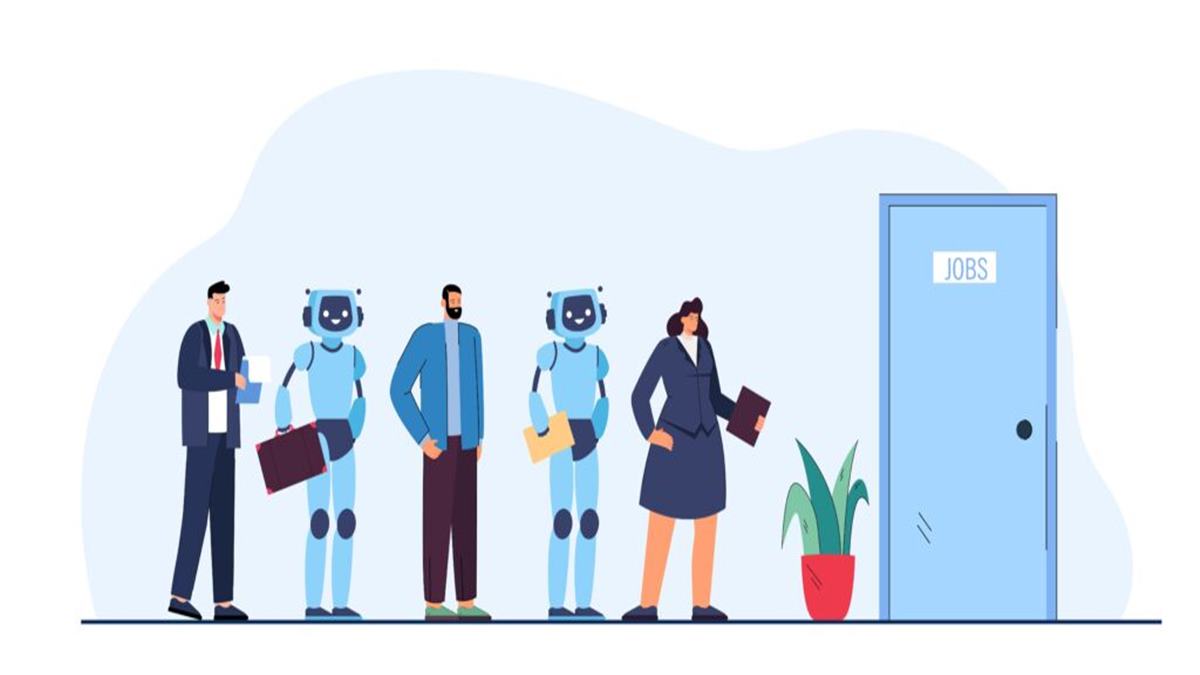
At the same time, rapid industrial shifts, AI adoption, automation, restructuring, and role redesign, are creating deep uncertainty. Jobs aren’t just changing; they’re being redefined faster than people can adapt.
This constant state of flux has made anxiety a background emotion at work. Not always acknowledged, but deeply felt.
When wellbeing becomes performative
Many organizations genuinely want to do the right thing. But there’s a growing gap between wellbeing intent and lived experience.
Employees notice when mental health conversations happen, but workloads don’t change; when flexibility is promised, yet managers still reward visibility; when wellbeing campaigns peak, but staffing levels remain stretched—a phenomenon sometimes called ‘talent stretching.’
In these moments, wellbeing risks becoming performative, well-designed, well-communicated, but poorly integrated into daily work life.
Value over cost: the mindset shift that’s overdue
Perhaps the biggest lesson of 2025 turned out: you cannot cost-cut your way to a healthy workforce.
Burnout is not just a wellbeing issue, it’s a value issue. Organizations that continue to optimise purely for efficiency, utilisation and short-term margins often pay the price in attrition, disengagement and lost institutional knowledge.
Forward-looking companies are starting to shift the conversation from cost of people to value of people. They are asking:
- Are our roles designed for humans or just output?
- Are managers rewarded for sustainable performance, not just speed?
- Do employees feel safe enough to rest, reset and still belong?
These organizations understand that wellbeing isn’t about perks, it’s about trust, autonomy and realistic expectations.
Progress, but fragile
So the honest answer for this whole conversation is – companies were partially able to integrate the lived realities of employee wellbeing into their system.
The relief is – they are more aware and talk more openly about it. They compare, question and challenge outdated norms, but awareness alone doesn’t reduce burnout, behaviour does.
The next phase of workplace wellbeing won’t be driven by new programs. It will be driven by leaders who are willing to redesign work, say no to unsustainable demands, and choose long-term value over short-term cost.
Because in a world where talent has options and voices are louder than ever, wellbeing is no longer a “nice to have”, it’s a leadership test.
Source – https://me.peoplemattersglobal.com/blog/wellbeing/2025-workplace-wellbeing-talk-vs-truth-47853