








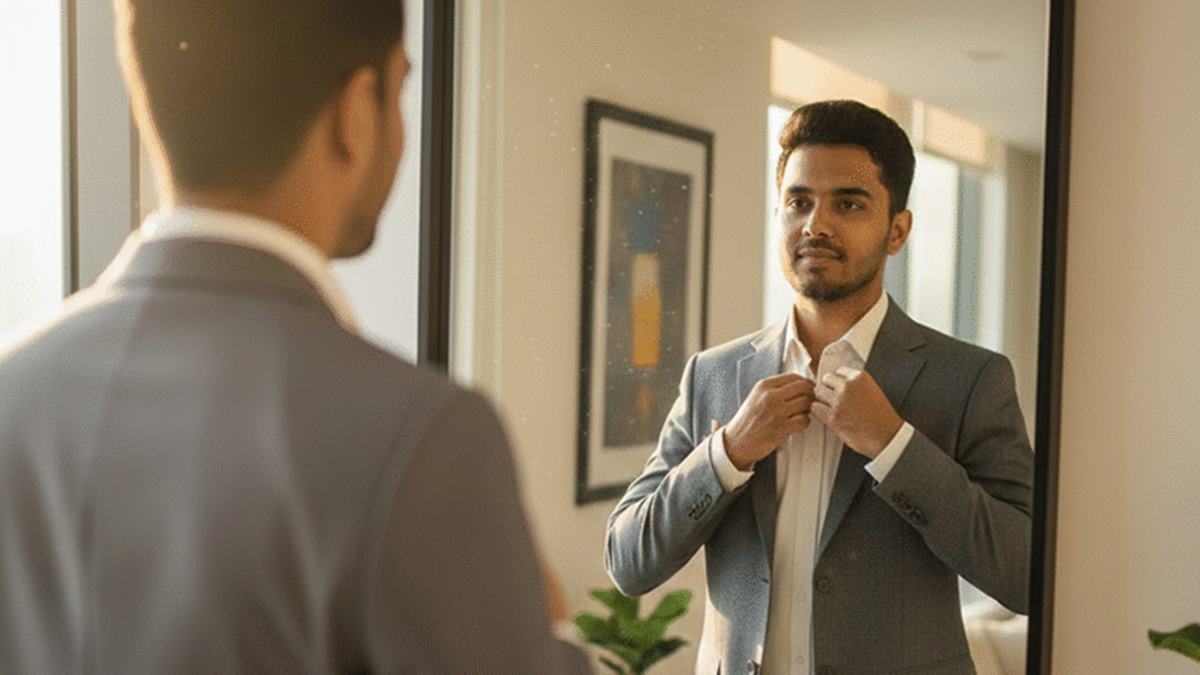
Remember that feeling of getting ready for a first date? The butterflies, the anticipation, and the big question: “What do I wear?!” Well, a job interview is kind of similar, but with higher stakes!
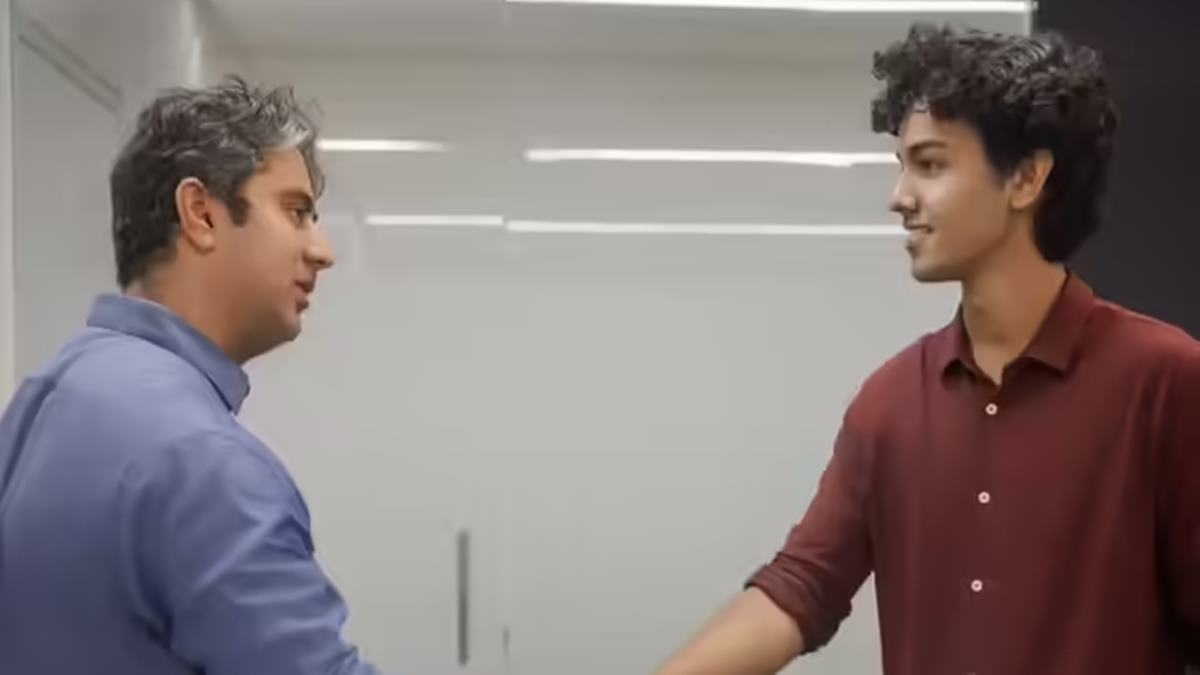
Your outfit for a job interview isn’t just about looking good; it’s about making a powerful first impression that screams “I’m professional, I’m capable, and I’m a perfect fit!” It tells potential employers a lot about your attention to detail and how seriously you take the opportunity.
Don’t stress, though! We’re here to walk you through how to choose the right outfit, making sure you feel confident and look the part. We’ll cover everything from understanding company culture to nailing those all-important finishing touches. Let’s get you dressed for success!
Essential Tips for Interview Attire
1. Do Your Homework: Understand the Company Culture
This is probably the most crucial tip! Before you even think about what to wear, do a little digging into the company you’re interviewing with. Is it a super formal corporate environment, a laid-back tech startup, or a creative agency?
A quick look at their website’s “About Us” page, LinkedIn, or even their social media can give you clues about their typical dress code. You don’t want to show up in a full suit if everyone else is in jeans, and vice versa!
2. Comfort is Key, But Polish is King
You’ll be sitting, standing, and potentially even moving around during your interview, so choose a comfortable outfit that allows you to move freely. However, comfort doesn’t mean sloppy!
Ensure your clothes are clean, ironed, and fit you well. Nothing screams “unprepared” like wrinkled clothes or an ill-fitting blazer. A well-fitting outfit not only looks professional but also boosts your confidence, helping you focus on your answers, not your wardrobe malfunctions.
3. Stick to Neutrals and Solids for a Classic Look
When in doubt, always go for classic, conservative choices. Think navy, charcoal gray, black, or even a deep forest green or burgundy for a subtle pop of color. Pair these with a crisp white, light blue, or cream shirt or blouse.
These neutral colors are universally accepted as professional and won’t distract your interviewer from your brilliant personality and skills. Avoid loud patterns, flashy logos, or anything too trendy that might quickly go out of style.
4. Don’t Forget the Details: Accessories & Grooming
Your outfit isn’t complete without paying attention to the smaller things. For accessories, less is definitely more. Think simple, understated jewelry, a clean pair of polished shoes (no sneakers!), and a professional bag or briefcase if you need one.
Your hair should be neat and out of your face, and your nails clean and trimmed. Gents, ensure your facial hair is well-groomed. These little details show you’re meticulous and take pride in your appearance – qualities any employer would appreciate.
5. Always Dress One Step Up
Here’s a golden rule: it’s almost always better to be slightly overdressed than underdressed. If the company’s culture seems business casual, aim for smart casual or business professional. For example, if you see people wearing jeans and sweaters, you might opt for tailored trousers or a skirt with a blouse and a blazer.
It shows respect for the interview process and demonstrates your seriousness about the role. You want to convey that you’re ready for the next level, and your attire can help communicate that before you even speak!
Industry Dress Code Quick Guide
To help you visualize, here’s a quick guide to general dress codes across different industries. Remember, these are guidelines, and company culture can always vary. It’s always best to research the specific company!
| INDUSTRY TYPE | GENERAL DRESS CODE EXPECTATION | EXAMPLE OUTFIT |
|---|---|---|
| Corporate/Finance | Business Professional (Suits are standard) | Gents: Full suit (navy, charcoal), dress shirt, tie, polished dress shoes. Ladies: Suit (skirt or trousers), blouse, closed-toe heels or flats. |
| Tech/Startup | Business Casual (Professional, but often more relaxed) | Gents: Chinos/dress trousers, button-down shirt (optional tie/blazer), neat loafers/dress shoes. Ladies: Smart trousers/skirt, professional top/blouse, blazer (optional), neat flats/low heels. |
| Creative/Marketing | Smart Casual (Stylish, polished, can show personality but still professional) | Gents: Dark jeans/chinos, stylish button-down/sweater, smart blazer, trendy but clean shoes. Ladies: Fashionable dress/skirt/trousers, stylish top, statement jewelry (subtle), ankle boots/stylish flats. |
| Healthcare/Education | Business Casual to Business Professional (Cleanliness is key) | Gents: Dress trousers, button-down shirt, blazer (optional), clean dress shoes. Ladies: Skirt/trousers, professional top, closed-toe shoes. Avoid overly revealing or distracting clothing, and focus on hygiene and neatness. |
Get Dressed, Get Confident, Get the Job!
Choosing the right outfit for your job interview doesn’t have to be a daunting task. By researching the company, ensuring your clothes are clean and fit well, sticking to professional neutrals, and paying attention to the little details, you’re already halfway there.
Remember, your attire is a powerful tool in making that crucial first impression. When you look the part, you’ll feel the part, radiating confidence and professionalism. So, go ahead, pick out that perfect ensemble, and walk into that interview ready to shine! You’ve got this!
Source – https://blog.bikroy.com/en/choose-right-outfit-job-interviews/