



















Xiaomi CEO Lei Jun has offered one of his strongest predictions yet about the future of manufacturing, telling Beijing Daily that the next five years will bring a major shift powered by artificial intelligence.
He said this change will not be gradual but rapid, with humanoid robots soon becoming central to how factories operate. These remarks coincide with China’s broader push for smarter, more advanced production systems as companies race to modernize aging industrial models.
Rapid automation is already taking hold
Lei highlighted the electric vehicle plant run by the tech giant as a clear sign of the transformation in progress. Large die-cast car parts usually require slow manual inspection, which often leads to mistakes.
The company has replaced this step with an X-ray system paired with an AI vision model. It completes a full inspection in two seconds. The process is ten times faster than a worker and more than five times more accurate.
Lei described this upgrade as a clear example of how intelligent systems raise factory performance. He said this type of automation signals the rise of a new trillion-yuan industrial market.
He noted that no single company can build this market alone. Instead, he expects long-term growth to depend on partnerships and shared engineering platforms across the sector.
Robots set to enter Xiaomi’s factories
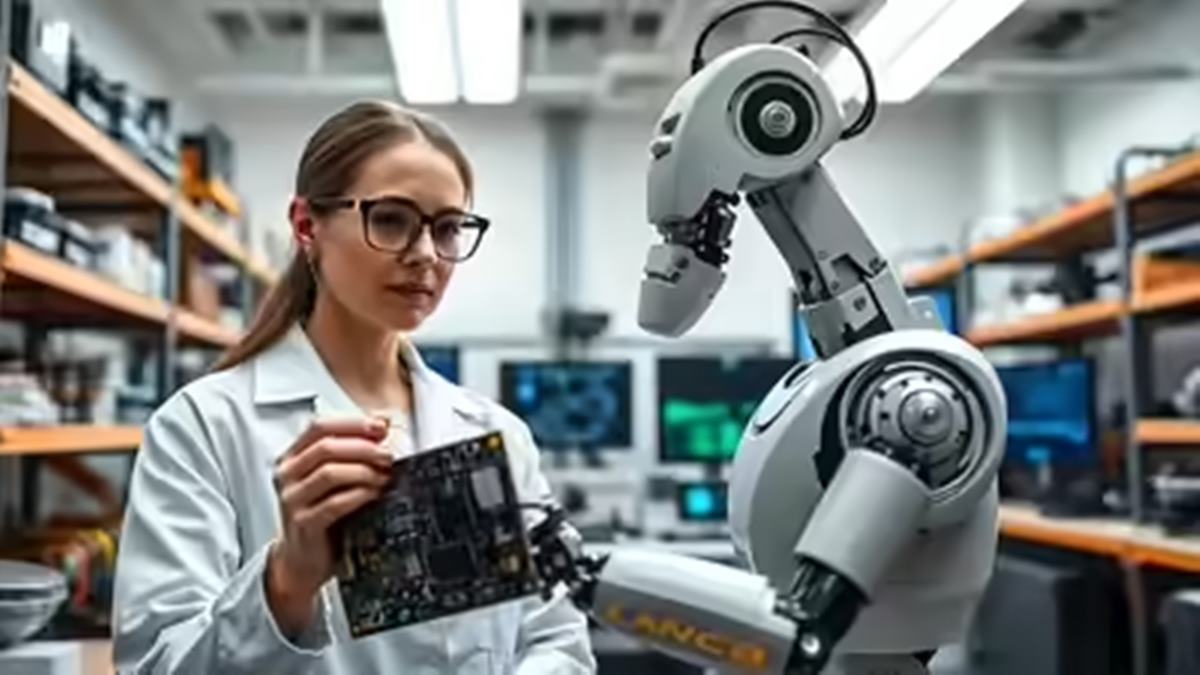
Looking ahead, he said Xiaomi will introduce humanoid robots across its production lines within five years. These robots will handle tasks now performed by workers, especially repetitive or precision-intensive steps that benefit most from automation.
According to the CEO, “And this is only the first step.” He expects domestic robots for households to become an even larger market. These home systems will require higher performance and face far more complex everyday activities than factory units.
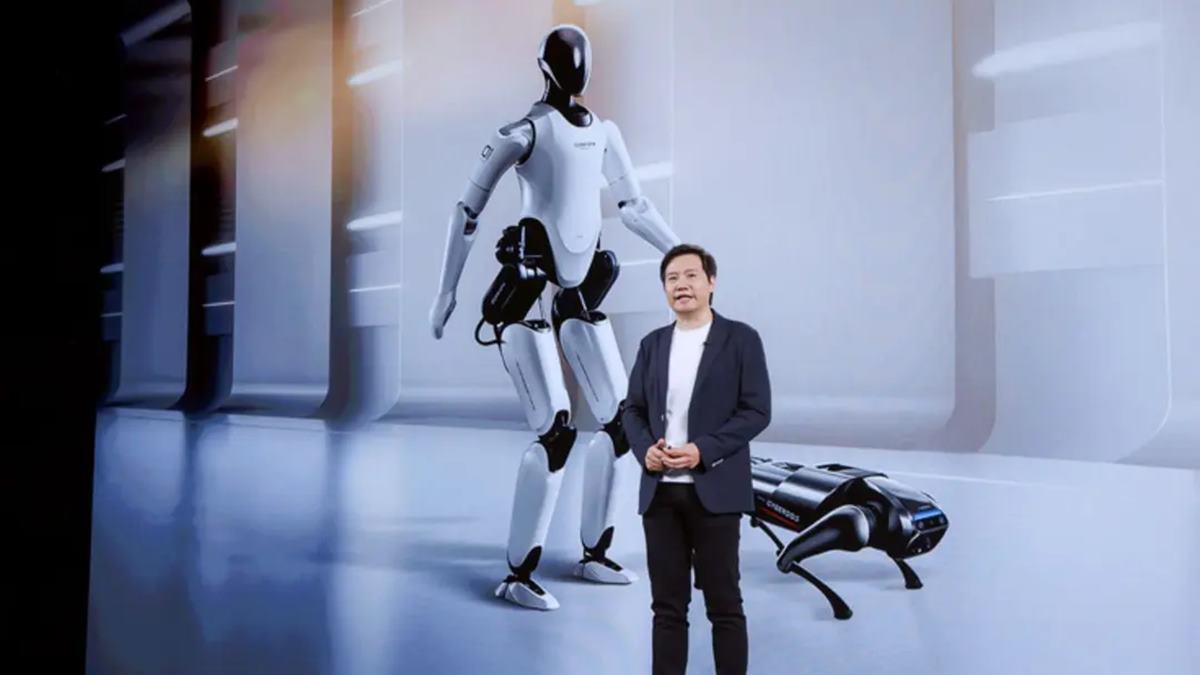
The firm already has experience in robotics. Its CyberOne humanoid robot appeared in 2022 as a technology demonstration. Since then, it has expanded its engineering teams working on AI research, robotics development, and smart systems for its electric vehicles. The company sees robots as a key part of its future product strategy.
The engineering push behind smart factories
Lei explained that intelligent manufacturing brings practical engineering benefits across the full production chain. AI-based inspection improves accuracy and reduces human errors.
It shortens production delays and helps stabilize supply operations. They also strengthen supply operations and support the firm’s focus on high precision standards.
He also said these upgrades free human workers to take on more advanced roles in planning, design, and engineering development. As humanoid robots take over physical labor, employees will shift toward tasks that require creativity and technical decision-making.
This aligns with China’s national roadmap for modernizing manufacturing using AI, robotics, and smart factory systems.
Beijing’s role in the next industrial upgrade
Lei also discussed the importance of Beijing in advancing intelligent manufacturing. He urged the city to avoid older methods that depend on low-cost labor.
Instead, he encouraged investment in next-generation systems that use automation and digital tools to strengthen industrial competitiveness. He said smart production is the key to Beijing securing long-term leadership in modern industry.
The tech firm’s strategy reflects this direction. The company is putting significant resources into AI development, robotics testing, and factory upgrades. Lei said the next five years will be decisive. Humanoid robots, inspection AI, and interconnected factory systems will become core parts of Xiaomi’s production network.
Source – https://interestingengineering.com/ai-robotics/humanoid-robots-set-to-run-smart-factories