

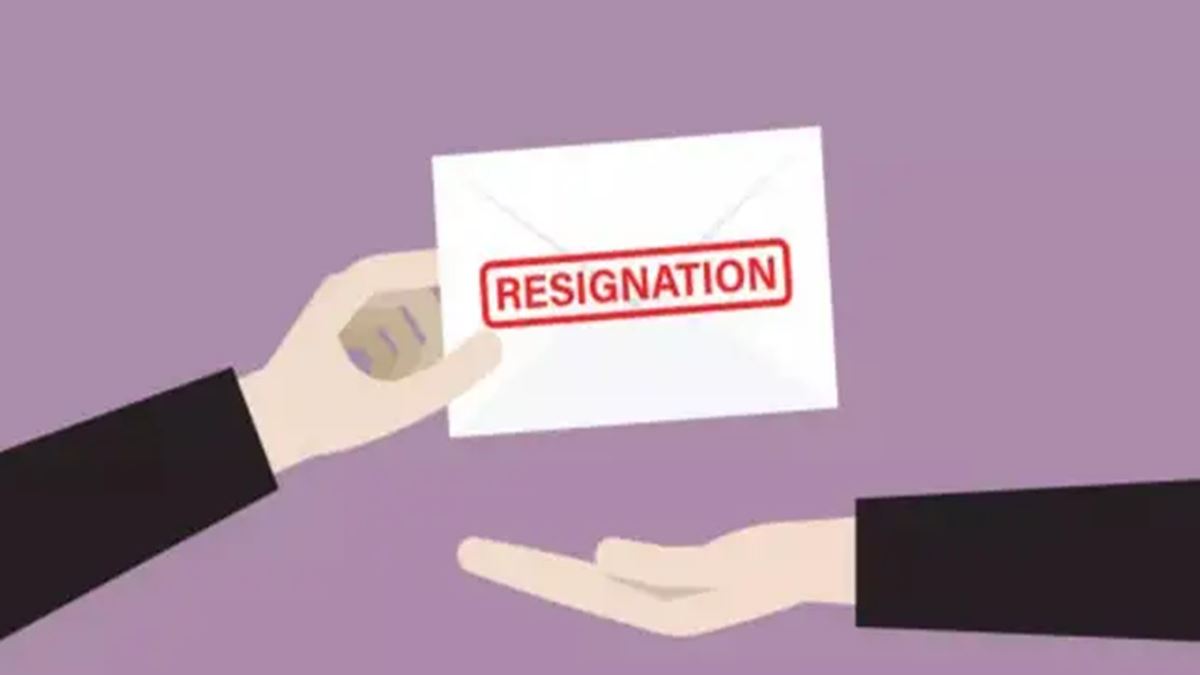



















When a paycheck disappears overnight, panic is the first instinct—but strategy is the real lifesaver. Financial planners say that those who react in the first seven days with structure, not stress, drastically reduce long-term damage. This isn’t about survival alone—it’s about taking control before chaos takes you.
The emergency fund, often ignored during good times, becomes a warrior during bad ones. Experts call it “your personal shock absorber,” absorbing EMI pressure while your mind regains stability. For many, this fund becomes the difference between a temporary setback and a financial freefall.
Most borrowers hide their crisis from lenders—ironically, the worst move. Behind the scenes, banks maintain dedicated hardship cells structured to prevent defaults. Moratoriums, restructuring, grace periods—all are tools created for moments exactly like this, waiting for borrowers who choose transparency over fear.
Loan restructuring sounds like relief, but economists warn of its silent cost: time. A stretched tenure lowers EMIs but raises total interest dramatically. Understanding this tradeoff becomes the defining moment where borrowers decide whether they’re buying time… or selling long-term wealth.
Gold, FDs, mutual funds—resources sleeping quietly until crisis wakes them. Behavioral finance studies show that people hesitate to liquidate assets due to emotional attachment, even when logic demands it. But in moments of income shock, assets aren’t trophies—they’re tools designed to rescue you.
For those who prepared, an SIP acts like a financial shock-absorber. Even pausing optional investments temporarily can redirect crucial liquidity toward EMIs. Wealth managers say smart EMI survival isn’t about earning more—it’s about re-routing money with soldier-level discipline.
Job loss reshapes priorities instantly. Suddenly, wants become luxuries and luxuries become warnings. The households that recover fastest are the ones that embrace “financial minimalism”—a temporary but powerful shift that cuts noise, preserves cash, and protects EMIs like sacred ground.
Studies show that borrowers who seek timely help—from family, mentors, or advisors—recover 40% faster from income shocks. Yet most people isolate themselves out of guilt. The truth? Financial storms aren’t meant to be faced alone. Support isn’t charity; it’s strategy.
A job loss feels like an ending, but financially smart people turn it into a reset. Skill-building, freelance gigs, temporary roles—each step stabilizes income and keeps EMIs alive. The comeback isn’t about bouncing back quickly—it’s about bouncing back stronger and smarter than before.