













Artificial intelligence has advanced so rapidly, it has already started to reshape employment and education worldwide. Experts predict major headway in task automation by 2026, directly affecting specific roles and educational choices. Reports highlight both employment risks and opportunities as AI integrates into workplaces.
Customer service positions face high vulnerability.
Today, chatbots and virtual assistants handle routine enquiries all the time, although it is questionable how efficiently they do so. They have reduced need for human agents in basic support. Administrative tasks, including data entry and scheduling, also risk automation through intelligent software systems and are under direct threat from any company wanting to lower their wage bill.
Translation services will find disruption from advanced AI language models.
Tools already provide accurate real-time translations, which potentially impact freelance and professional translators. Technical support roles are changing as AI diagnostics resolve common issues without human intervention. Providing that the operator can input content, tone, and even geographical information for simple translations, AI now scores pretty highly. More literal translations, such as those using something lineal like Google Translate, have been flooding out markets, not least in the bewildering world of English instruction manuals of Asian electronics. No one understands those things! Nonetheless, self-learning will rapidly start to give correct context and tone, and no doubt sooner than we think.
Graphic design and architecture feel the pressure from generative tools creating visuals quickly.
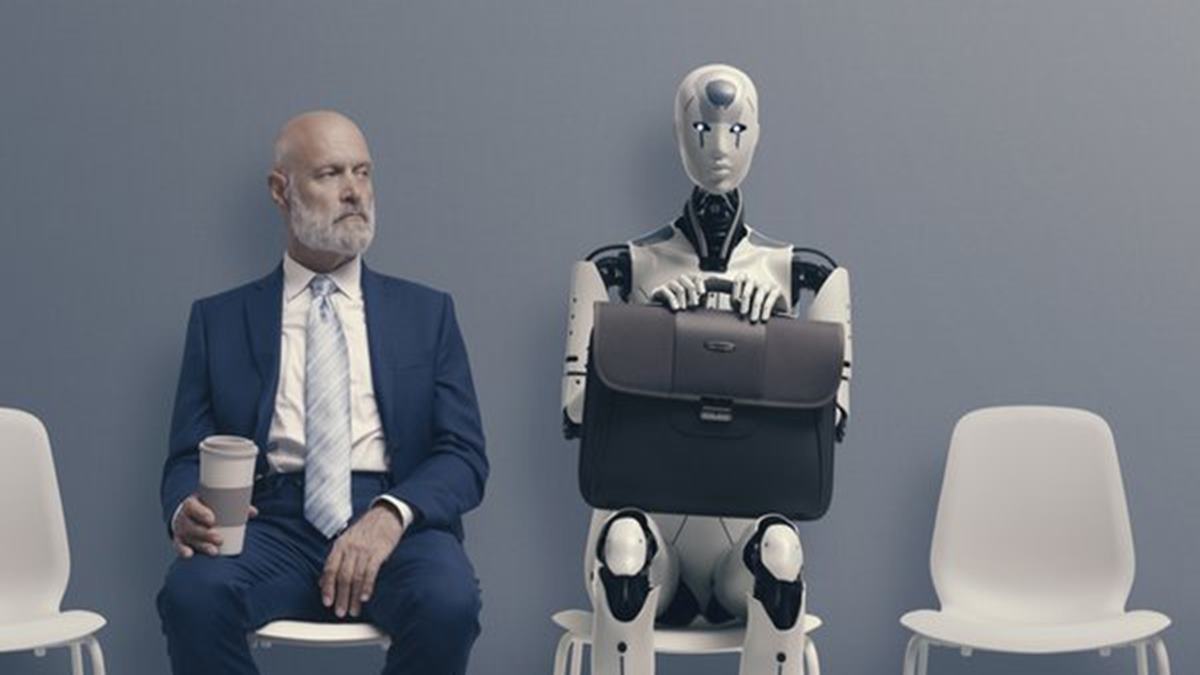
Entry-level positions will suffer the most, though creative direction remains, for now, in human hands. Nvidia CEO Jensen Huang stressed the need for adaptation over fear. Workers mastering AI tools are outperforming those resisting the change. By embracing new technology, they can improve their productivity rather than guaranteeing job loss. He said, “You won’t lose your job because of AI. You’ll lose your job because the next guy is using it.”
The World Economic Forum’s (Yes, the WEF!) Future of Jobs Report 2025 forecasts major labour transformations. Technology is driving massive job creation in AI-related fields while displacing others. Employers need people to manage the AI revolution. At the end of the day, AI is a machine. It doesn’t know what is wanted of it until is told. Finding the right people who can do that is what AI employment is all about.
Goldman Sachs analyses prove that its generative AI puts at risk certain administrative and certain professional roles to electronic automation. Impacts are currently still transitioning, with some jobs being lost and new opportunities emerging.
What should young people think twice about studying?
It was easy in the past: Study medicine – become a doctor. Study law – become a lawyer. Today, it’s not so easy. Students planning their 2026 studies shouldn’t consider what career opportunities there are today, but what there will be when they graduate.
Literature, philosophy, and history programmes face serious challenges as AI generates and analyses texts reasonably effectively, and fast. In more sublime texts, such as poetry or deeper literature, it is not so good yet, as the text is often more to do with the human experience and full of implicit, “between-the-lines”, meaning. But for most writings for everyday use, AI is pretty much already there.
Opportunities are declining in research too, along with teaching and related fields relying on text interpretation. Automation reduces demand for pure humanities graduates without complementary skills. Digitalisation and economic factors are compounding this trend. Profiles that are excelling involve knowing how to use AI. Specialisations in AI, data, or emerging technologies offer stronger prospects for the moment, but perhaps those jobs will be under the same threat more in the future.
Parents guiding their teenagers toward university choices should consider these future changes. Fields combining human creativity with technology should prove more resilient to changes. 2026 marks acceleration in the world of AI, not an endpoint. Strategic decisions today may shape tomorrow’s opportunities.
We asked ChatGPT specifically what roles could be replaced by AI in large organisations in 2026, and it didn’t hold back:
- Customer service representatives — Chatbots and virtual assistants are already handling general enquiries and support, especially for banks.
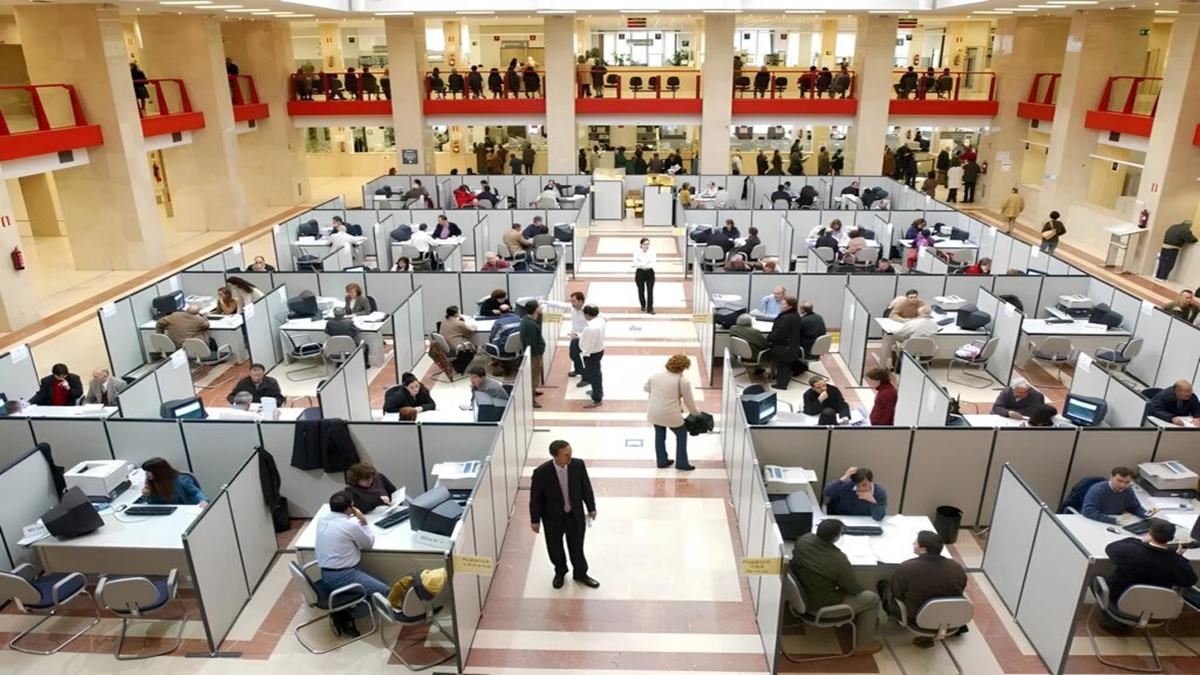
- Administrative assistants and clerical roles — scheduling, data entry, and routine office tasks — face automation.
- Translators and interpreters — Advanced language models provide real-time, accurate translations in most situations.
- Data entry clerks — AI processes and inputs data faster with fewer errors.
- Accountants and auditors (routine tasks) — Bookkeeping, reconciliation, and basic compliance are all easily automated.
- Legal assistants and paralegals — Document review, research, and drafting are changing to AI.
- Writers and content creators (entry-level) — Generative tools can draft articles, reports, and marketing copy.
- Graphic designers (basic) — AI generates visuals and layouts from prompts.
- Financial analysts (routine modelling) — Predictive tools are already handling data forecasting and risk assessment.
- Proofreaders and copy editors — AI catches errors and suggests improvements.
- Technical support agents — Diagnostics and troubleshooting are automated via AI.
Adaptation through AI literacy remains key for 2026, as humans using these tools often outperform those who don’t.