













If you ask most companies who owns their culture, they will point to HR. Handbooks, values statements, town halls, and engagement surveys often originate from this department. Yet when you walk into a workplace that truly feels alive and connected, the energy rarely comes from a policy. It comes from the people who show up every day and bring the culture to life. Culture is not a corporate asset that can be handed down. It is a lived experience that works only when employees have a hand in shaping it.
More organizations are starting to understand this shift. They are moving from top-down culture programs to co-created ones. Instead of HR dictating how people should connect, companies are giving employees the space, resources, and trust to build traditions of their own. The result is a culture that feels natural rather than manufactured, collective rather than imposed, and far more durable over time.
Culture sticks when employees build it
One of the biggest problems with traditional culture initiatives is that they often feel disconnected from the way people actually work. HR can create guidelines or plan events, but if employees do not feel a sense of ownership, the culture never really becomes part of the day-to-day experience. Employees know what makes them feel connected, supported, and valued. They know what makes a workplace enjoyable and what makes it draining. When they are given the chance to lead, culture shifts from being something they receive to something they help shape.
Employee-led culture has another powerful advantage. It makes belonging easier to achieve. When culture emerges from the ground up, it reflects a wide range of voices instead of a single point of view. People see bits of themselves in the traditions that form, whether that is an interest in the outdoors, a love of food, or a preference for quiet creative activities. It becomes easier for people to opt in because they were part of creating it.
People connect through shared experiences, not policies
Some of the most effective cultural moments happen in small, simple ways. They are not expensive, complicated, or highly structured. They are moments that allow people to pause, breathe, and interact as humans rather than job titles.
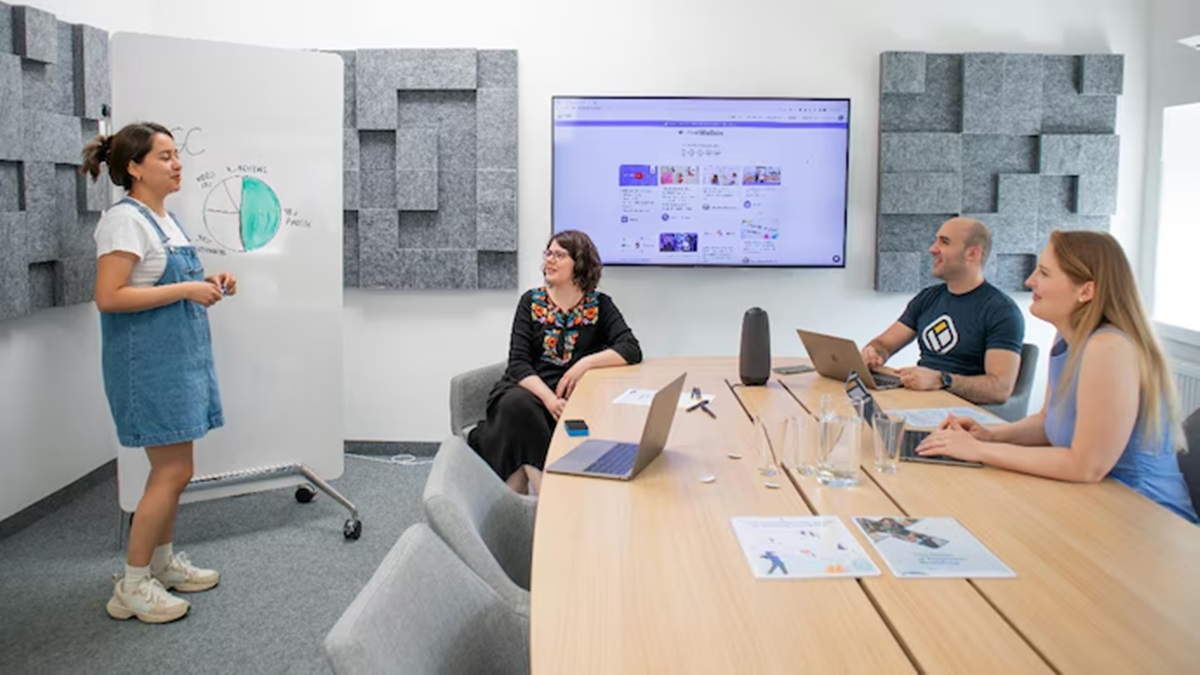
At Creative Niche, for example, our employees started a monthly tradition called Third Thursdays, which involves two team members planning a shared experience for the rest of the company. One month, it was flower arranging. Other months, it was a yoga class, a trivia night, or a social gathering focused on food. The activities change, but the purpose stays the same. It is a consistent moment for people to step out of their routines and connect. It works because it is employee-driven, not an HR mandate. People feel part of something they helped create, and they look forward to it because it reflects their interests, not a preplanned corporate structure.
The magic of grassroots moments like this is that they build culture in ways that meetings and memos never could. They strengthen relationships, create shared memories, and remind people why they enjoy working with each other. They also help employees feel seen outside of their roles, which is a huge factor in whether people stay long term.
Leaders create the space, employees fill it
Employee-led culture does not mean leadership steps back and lets things run wild. It means leaders create the conditions for culture to grow. That includes offering time, small budgets, or simply encouragement. Leaders who embrace this approach understand that culture is strongest when it is distributed across the organization rather than concentrated at the top.
Great leaders listen for what energizes their teams. They pay attention to the interests that keep coming up in conversation. They identify the people who naturally take initiative to bring others together. Then they clear the path so those sparks can grow. When leaders provide support without controlling the outcome, employees feel trusted. That trust fuels participation, and participation fuels culture.
Why employee-led culture is the future
Today’s workforce wants to feel that their voice matters. They do not want to experience culture as something built for them. They want to experience it as something built with them. Employee-led culture not only increases engagement and belonging but also reduces turnover. When people feel connected to their colleagues and proud of the environment they helped shape, they have fewer reasons to leave.
Companies that embrace this shift will build cultures that last. Not because they wrote the perfect policy, but because they allowed culture to grow where it always grows best. In the hands of the people who live it every day.