


















As the Gulf region positions itself as a global hub for finance, technology and innovation, businesses face a crucial question: how to attract and retain the talent these knowledge economies require. The answer may lie in how organisations approach employee well-being.
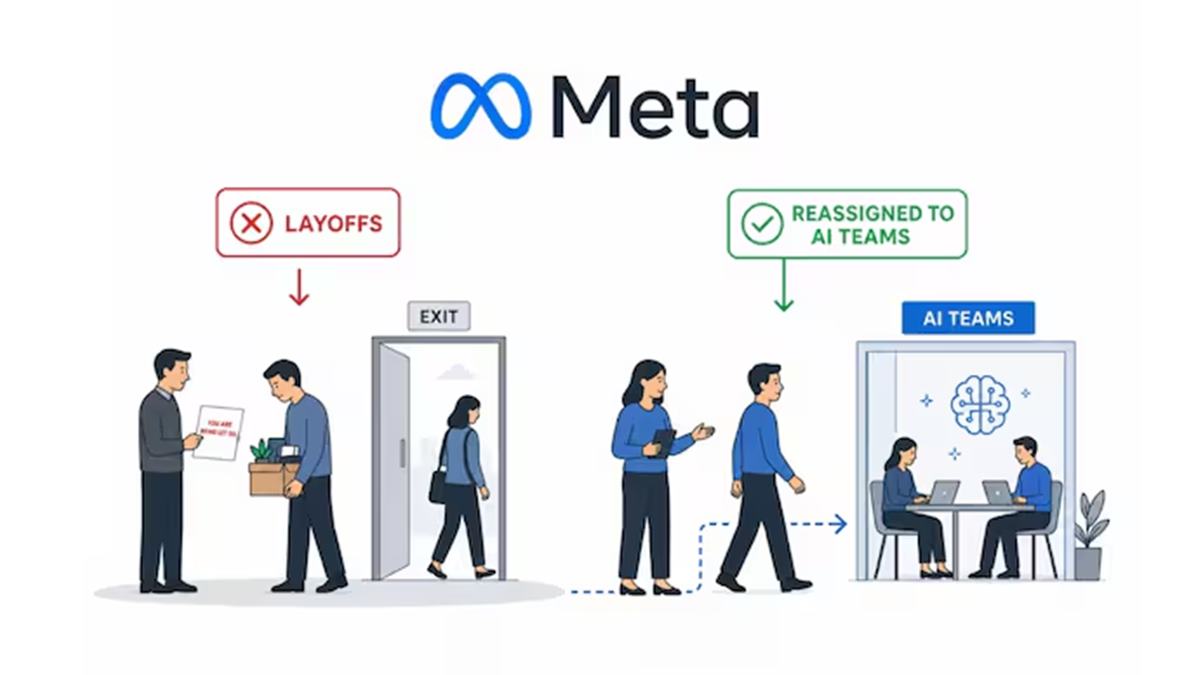
This instinct to deprioritise well-being in favour of cost savings is understandable. Even Silicon Valley giants like Google and Meta, once celebrated for extensive wellness programmes, are now scaling back. According to Wellable’s 2025 Employee Wellness Industry Trends Report, more organisations are reducing their investment in wellness programmes, from 6 per cent of companies surveyed in 2023 to 14 per cent in 2024.
But this retreat is risky. Neglecting employee welfare undermines not only individual well-being but also organisational resilience and long-term performance. With its emphasis on economic diversification, the Gulf region is uniquely positioned to advance a future of work in which well-being is not a perk but a foundational principle of organisational design.
Organisations have traditionally considered workplace well-being as too “soft” to measure. But researchers have adapted validated measures like the Perma-W scale and Workplace Well-Being Index, which allow organisations to assess how employees experience their work as rigorously as they track revenue or productivity.
Measurement enables accountability. Companies can now test whether interventions improve well-being without trading off performance. A study published in the Nature Human Behaviour journal last year tracked nearly 3,000 workers at 141 businesses who switched to a four-day working week with no pay reduction.
Workers in this survey reported greater job satisfaction and less burnout, and more than 90 per cent of companies kept the arrangement permanently. The UAE government’s own 2022 experiment with a 4.5-day working week demonstrated similar recognition that traditional structures may not serve modern knowledge workers effectively.
Organisations must also think more broadly about what matters for employee well-being. If we define well-being too narrowly, we risk missing structural threats. Workplace harassment is one such threat.
Too often, harassment is treated as a legal matter or diversity issue managed separately. Both practitioners and academics argue that harassment should be recognised as a workplace health and safety concern. Like exposure to dangerous chemicals, harassment harms not only direct targets but entire teams through stress, fear and disengagement.
This view is particularly useful for examining multinational workplaces in the Gulf, where teams span different nationalities, cultures and power dynamics. Research shows that harassment at the team level creates interpersonal difficulties, affecting both targets and bystanders, ultimately impairing cohesion and performance. This reframing highlights systemic conditions that allow harassment to occur and points toward structural solutions.
Organisations must not only redesign structures but also redefine cultural norms around success. Research on masculinity contest cultures – workplace environments that valorise strength and dominance while devaluing collaboration – shows how such values can breed bullying and harassment. Recent endorsements of hardcore work cultures demonstrate these attitudes remain pervasive.
In the Gulf’s fast-paced business districts, intensity is often worn as a badge of honour. Yet this conflicts with the reality that burnt-out employees deliver inferior work. The regional emphasis on rapid transformation can inadvertently celebrate exhaustion as commitment.
Organisations must move beyond targeting individuals and instead redesign systems and cultural narratives around success. Take a global financial institution operating in the region. As part of redesigning its well-being strategy, leadership strengthened anti-harassment policies, appointed independent complaint handlers and positioned investigation channels within well-being resources. They reframed well-being as a structural priority rather than a discretionary benefit.
How can organisations make well-being foundational? They should implement well-being metrics in performance dashboards with the same weight as productivity KPIs. They should audit for structural issues like workplace harassment and address them systematically. And they must challenge cultural norms that equate toxicity with success.
The region is developing systematic approaches. Abu Dhabi’s Parent-Friendly Label programme has worked with 83 organisations across 25 industries, reaching more than 163,000 employees. In its most recent cycle, more than 11,000 employees were surveyed about family-friendly practices. The data revealed that while flexible working is widely embraced, men reported higher confidence than women that flexibility would not penalise careers; 73 per cent of men versus 63 per cent of women felt flexible work allowed career progression. Organisations are using such findings to identify where confidence gaps persist despite policies.
Leading organisations globally show the way. Outdoor apparel company Patagonia’s work-life integration has yielded consistent profits and low turnover. US software business Salesforce’s well-being programmes correlate with industry-leading innovation. These companies demonstrate that organisational success depends on well-being, not in spite of it, but because of it.
As we navigate AI transformation, remote work complexities and fierce competition for knowledge workers, the organisations that thrive will be those that recognise well-being as a competitive advantage, not a compromise.
Source – https://www.thenationalnews.com/opinion/comment/2026/01/26/work-jobs-business-well-being-employees/