















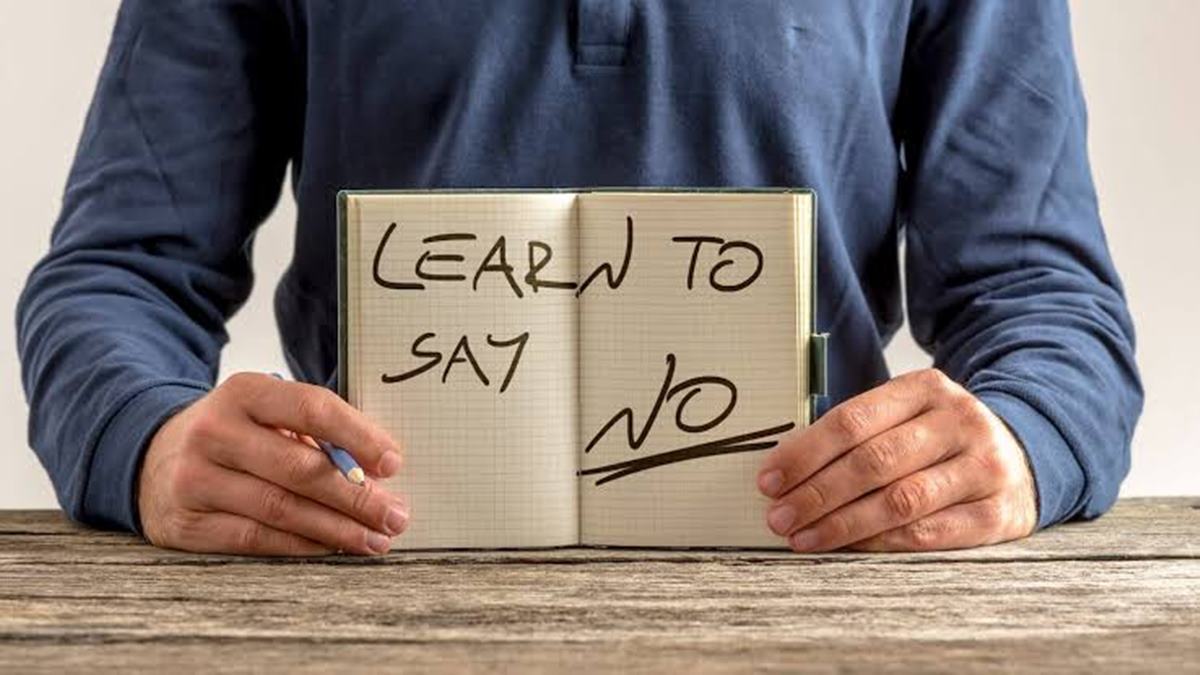

For decades, the cinematic image of an “effective” manager has been someone pacing a glass-walled office, shouting into two phones at once, and demanding results “yesterday.” We’ve been conditioned to believe that productivity is a direct byproduct of heat—that unless employees are feeling the metaphorical flames at their heels, they’ll simply drift off into a sea of apathy.
But as we navigate the workplace landscape of 2026, the data is screaming a different story. The “pressure-cooker” model isn’t just unpleasant; it’s inefficient. High-pressure environments lead to cognitive “tunnel vision,” where employees become so focused on surviving the day that they lose the ability to innovate, collaborate, or even spot basic errors.
If you want to be a manager who actually gets things done, you have to learn how to lead without making people work “under pressure.” It’s time to trade the stopwatch for non-toxic leadership strategies that prioritize employee well-being leadership as a vehicle for, rather than a distraction from, high performance.
Why Did We Think Toxicity Was Effective?
Before we look at how to fix it, we have to ask: how did we get so obsessed with pressure in the first place?
The idea that one must be toxic to be effective didn’t appear out of thin air. It has roots in early managerialism and traditional management theories (like Taylorism) from the industrial era. These theories treated humans like biological machines. The logic was simple: if you want a machine to go faster, you increase the input. In this case, fear and oversight.
Over time, this evolved into a cultural archetype. “Intensity” became a proxy for “competence.” Executives who were demanding, abrasive, and hyper-critical were seen as “tough” or “results-oriented.” However, positive leadership research from Cambridge Core and other institutions shows that this approach usually backfires. While pressure might create a temporary spike in output, it is almost always followed by a crash in morale, a spike in turnover, and a total drought of creativity.
The Science of the “Non-Toxic” Leader
What does the research actually say about the “nice” boss? According to a 2025 study from Springer Link, toxic leadership – defined as abusive or degrading behavior- is a primary driver of cynicism and burnout. Conversely, emotional intelligence at work is the strongest predictor of long-term team success. Research published in arXiv suggests that leaders with high EI don’t just make people feel better; they improve the actual “flow” of work. They are better at resolving conflicts before they escalate and inspiring a level of commitment that fear simply cannot buy.
10 Ways to Lead Without the Pressure
If you want to move toward effective leadership without stress, you need a practical toolkit. Here are ten ways to maintain high standards while lowering the ambient anxiety of your team.
- Empower Employees With Autonomy: Nothing creates pressure like a micro-manager breathing down an employee’s neck. Supportive management techniques start with trust. When you allow teams to set their own sub-goals and manage their own schedules, you shift the focus from process to outcome. People work better when they feel they own their work rather than just renting their time to you.
- Establish Clear Role Expectations: A huge percentage of workplace stress comes from ambiguity. “Am I doing enough?” “Is this what they wanted?” When expectations are fuzzy, employees create their own pressure to fill the void. By providing clear, documented roles, you reduce workplace pressure by removing the “guessing game” from the daily grind.
- Build a Constructive Feedback Culture: In toxic environments, feedback is a weapon. In healthy ones, it’s a tool. Focus on “Feed-forward” (what to do next time) rather than “Post-mortems” (who messed up this time). When you remove blame from the equation, you open the door for genuine workplace culture improvement.
- Prioritize Emotional Intelligence (EI): A manager with a high EI can read the room. They know when a team is nearing a breaking point and when they need a push. By self-regulating your own emotions, you prevent your stress from “leaking” onto your team: a phenomenon known as emotional contagion.
- Lead With Empathy & Respect: Psychological safety – the belief that you won’t be punished for making a mistake – is the bedrock of innovation. Leading with empathy doesn’t mean being “soft”; it means acknowledging that your employees are humans with lives outside of their 13-inch laptop screens.
- Promote Work-Life Balance (For Real): Don’t just put “Work-Life Balance” in the handbook; model it. If you send emails at 11:00 PM, your team feels pressured to respond at 11:05 PM. Respecting boundaries is a silent but powerful way to reduce workplace pressure.
- Invest in Training & Development: Stress often stems from a gap between a task’s difficulty and an employee’s skill set. One of the best leadership training benefits is learning how to identify these gaps. Instead of demanding they “just do it,” provide the resources and training they need to feel competent.
- Use Collaborative Decision-Making: When a team helps build the plan, they are motivated to see it succeed. When a plan is forced upon them from above, they just feel pressured to hit a number they don’t believe in. Collaboration fosters a sense of shared destiny.
- Practice Transparent Communication: In the absence of information, people fear the worst. Whether it’s good news or bad, transparency prevents the “office rumor mill” from generating unnecessary panic.
- Recognition & Appreciation: Humans are hardwired to seek validation. A simple, public “thank you” for a job well done acts as a pressure-release valve. It signals to the employee that their effort is seen, allowing them to relax into their next task with confidence.
The Perception Gap: Employees vs. CXOs
One of the most interesting aspects of toxic versus empowering leaders is how they are perceived at different levels of the organization.
- Employee Perception: For those on the front lines, a non-toxic manager is a “lifesaver.” These managers are perceived as trustworthy and supportive. Employees under these leaders report higher job satisfaction and, more importantly, stay with the company longer.
- Executive Perception: Historically, CXOs were wary of “nice” managers, fearing they would be “too soft” to hit aggressive targets. However, the tide has turned. Today’s C-suite increasingly relies on people analytics that show a direct link between supportive leadership and sustainable, long-term profit. Executives are realizing that replacing a burned-out employee costs 1.5x to 2x their annual salary, making toxicity a very expensive habit.
The Future of Management
The era of the “Screamer” is over. As we look toward the future, the most successful organizations will be those that embrace non-toxic leadership strategies. By focusing on employee well-being leadership and utilizing supportive management techniques, you aren’t just being a “nice person”, you’re being a smart business person.
High-performance culture isn’t about how much pressure you can apply; it’s about how much potential you can unlock. And potential is never found under a thumb.