

















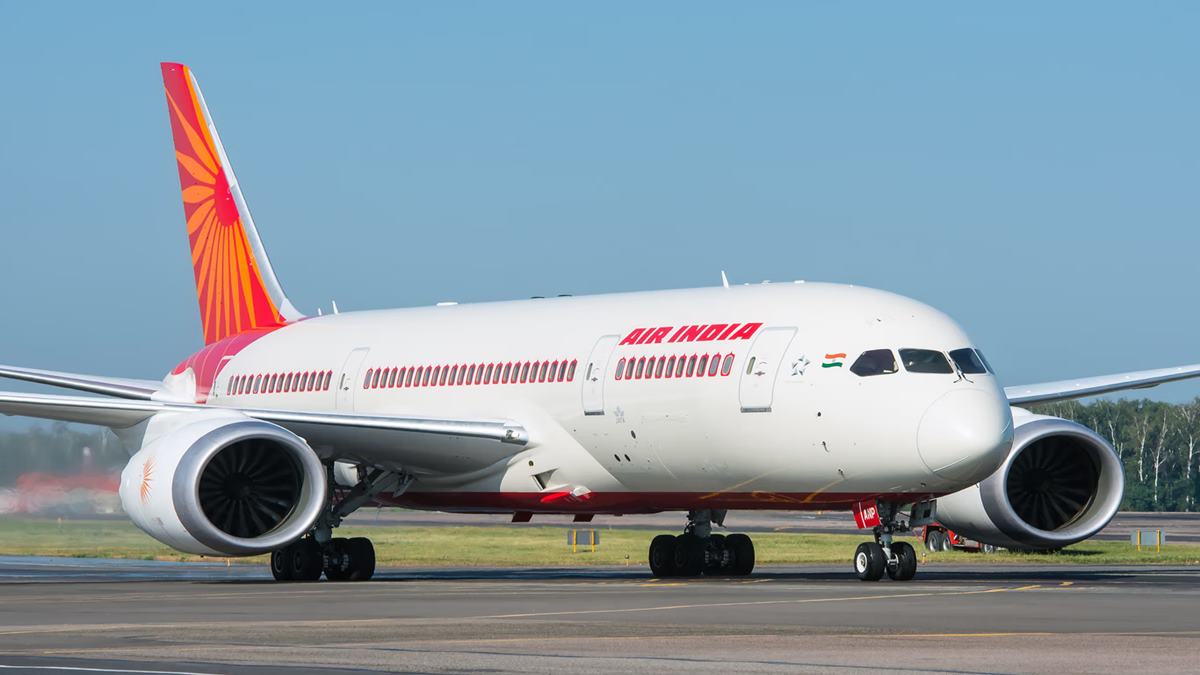
Air India has uncovered widespread misuse of its employee travel benefit scheme, with more than 4,000 staff found to have violated company rules, prompting disciplinary action and recovery measures.
According to PTI, the irregularities were identified following a comprehensive internal audit of the airline’s Employee Leisure Travel (ELT) programme, which allows employees to access complimentary flight vouchers for themselves and designated family members.
The investigation revealed that several workers listed unrelated individuals as family members to access free travel benefits, while in some cases the vouchers were allegedly transferred or sold to external parties for financial gain.
Air India has begun corrective action against employees found to have violated the rules. According to PTI, the airline has asked staff involved in the misuse to repay the value of the benefits obtained through fraudulent claims, while fines have also been imposed on some individuals.
Audit reveals large-scale irregularities
The ELT scheme provides employees with up to 14 travel segments, or equivalent round-trip vouchers, in a financial year, which can be used by staff and approved beneficiaries such as spouses or parents.
However, the audit found that thousands of employees had breached the programme’s eligibility conditions, with irregular claims dating back to the previous financial year.
Precise details regarding the total financial impact of the misuse, the exact number of employees involved, and the full timeline of violations have not been publicly disclosed, PTI reported.
Air India did not immediately respond to queries from PTI seeking comment on the findings and the steps taken by the airline.
Governance under scrutiny after privatisation
The issue comes as Air India continues to undergo a major transformation following its acquisition by the Tata Group in January 2022.
The airline, which employs more than 24,000 people, is currently implementing a wide-ranging organisational overhaul aimed at improving operational efficiency, governance standards, and customer experience.
The discovery of the irregularities reflects the airline’s broader effort to strengthen internal controls and compliance mechanisms during its restructuring.
According to PTI, many of the employees involved in the misuse had joined the airline after its privatisation, highlighting the need for tighter monitoring of employee benefits.
Stricter rules introduced
In response to the findings, Air India has tightened the eligibility requirements under the ELT scheme.
Employees must now provide detailed beneficiary information along with documentary proof establishing the family relationship before travel benefits can be approved.
The airline has also strengthened oversight processes to prevent similar misuse in the future.
The episode underscores the challenges of enforcing governance reforms within large organisations undergoing structural change. For Air India, which is attempting to rebuild its brand and financial performance under Tata ownership, strengthening internal accountability remains a critical part of its turnaround strategy.