
















Meta has begun training its employees to use AI tools and agents that can handle tasks such as writing code and preparing reports, as part of its ongoing effort to increase AI adoption across the company.
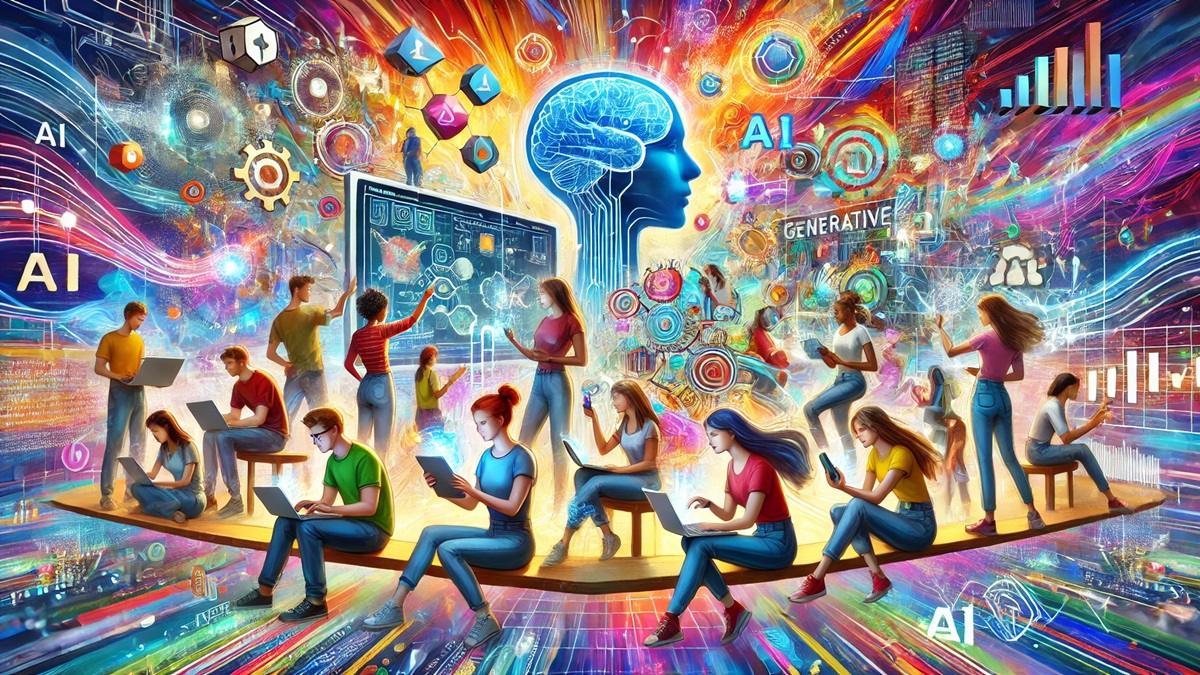
The initiative is being carried out through internal programmes, including sessions referred to as “AI Transformation Week.” These programmes bring together employees from different teams to participate in hackathons, product demos, and hands-on projects focused on using AI tools in real work scenarios. According to Business Insider, the aim is to ensure that employees across roles, not just engineers, are actively using AI in their day-to-day tasks.
During these sessions, employees are introduced to AI agents that can assist with a range of functions, including coding, summarising information, and compiling reports. The tools are also designed to work across devices such as laptops and smartphones, allowing employees to integrate them into their regular workflows. Some of the projects showcased during these sessions have been built using Claude Code, which Meta has adopted widely for internal use.
In addition to structured demos, some teams have taken part in open-ended experiments. Employees have used approaches like “vibe coding,” where the focus is on building useful outputs with AI without strict guidelines or predefined deliverables. This format allows teams to explore how AI tools can be applied in different situations without being limited by specific targets. The company has also introduced internal goals tied to AI adoption, with different teams expected to meet specific usage targets.
To support this transition, Meta has made organisational changes in certain divisions. In some teams, particularly those linked to virtual reality work, employees are being grouped into smaller units built around AI usage. In a few cases, roles have also been redefined, with employees taking on titles such as “AI builder,” showing a growing emphasis on working closely with AI systems.
The push to expand AI usage internally comes at a time when Meta continues to invest heavily in AI infrastructure and talent. At the same time, the company has reduced headcount in some areas, including layoffs affecting several hundred employees in its Reality Labs division and other teams. These parallel developments highlight a focus on improving efficiency while advancing AI capabilities.
There are also ongoing efforts to strengthen leadership around this initiative. Meta’s CTO Andrew Bosworth recently took charge of an internal programme known as “AI for Work,” which is aimed at integrating AI tools more deeply into everyday operations. Commenting on the initiative, he said these tools could give “each employee so much more power to accomplish their work.”
Meta has yet to release its anticipated AI model, internally referred to as Avocado. However, the company’s current focus appears to be on ensuring that its workforce is prepared to use AI tools effectively, even as it continues to build out its larger AI plans.