









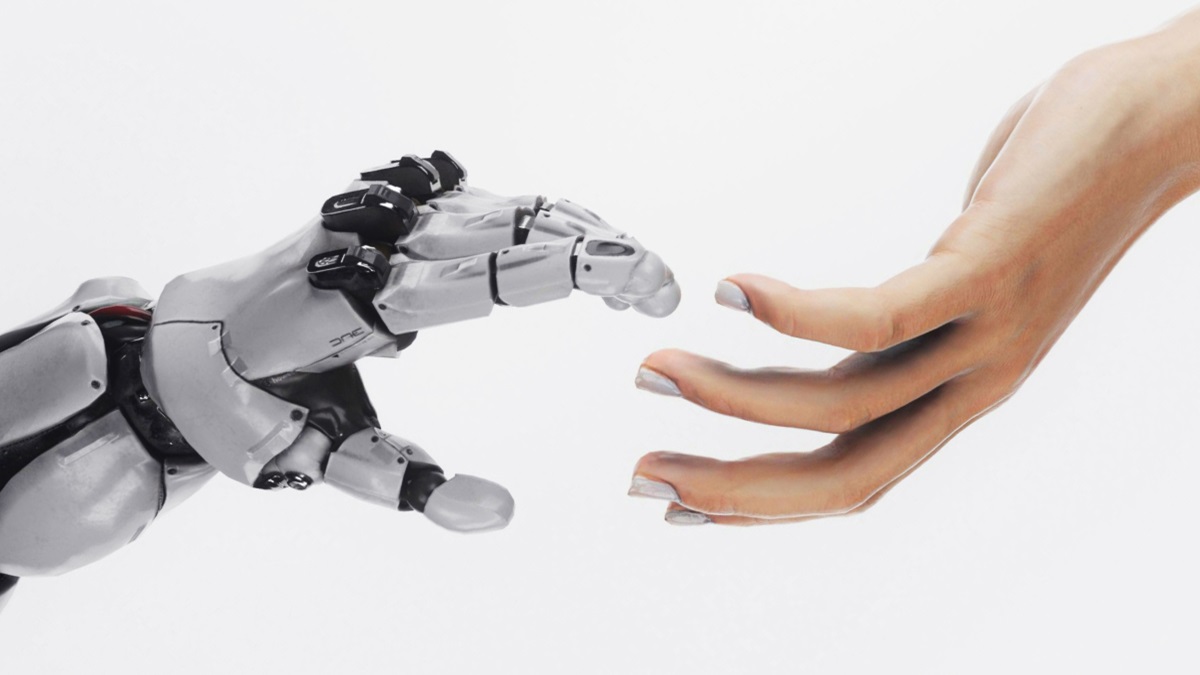










At a time when artificial intelligence is widely framed as a disruptor of jobs, a quieter, more transformative shift is underway, especially for women in technology. AI is not just changing how work gets done; it is changing how time is experienced. And for many women, that shift is proving to be a game-changer.
According to the “Rethinking Opportunity, Equity and the Future of Work: The Evolving Landscape for Women in Technology in the Age of AI – 2026” report by ANSR and Talent500, more than 85 per cent of women in tech are saving time through AI.
Instead of translating these gains into longer working hours or increased output, they are choosing a different path one that prioritises sustainability, growth, and well-being.
IS AI FINALLY GIVING WOMEN CONTROL OVER THEIR TIME?
For decades, women have navigated what experts call the double shift, balancing professional responsibilities with disproportionate expectations at home. AI is beginning to ease part of this burden by automating routine and repetitive tasks.
From coding and research to analytics, AI is now embedded in core workflows, enabling women to reclaim significant portions of their workday. This time, the dividend is not just about efficiency, it is about agency.
“AI is creating a profound shift in how women in technology structure their careers by giving them back time previously spent on routine administrative work. This time dividend is enabling women to focus on higher-value, strategic tasks while also attending to personal priorities,” said Dipal Dutta, CEO at RedoQ.
WHERE IS THIS TIME DIVIDEND BEING REINVESTED?
What makes this shift particularly significant is how women are choosing to use the time saved. The report highlights a clear pattern of strategic reinvestment:
- 69% are using it for professional development and learning
- 68% are prioritising health and wellness
- 56% are spending more time with family
- 53% are pursuing hobbies and personal interests
This redistribution signals a decisive move away from the “always-on” work culture toward a more balanced and intentional approach to career-building.
Generative AI is proving especially effective in eliminating what is often termed office housework routine administrative tasks that frequently go unnoticed yet consume a significant amount of time.
“Generative AI is fundamentally transforming the concept of the ‘time dividend’ for women in tech by automating routine administrative tasks. This allows women to move beyond facilitator roles and focus on strategic, high-impact positions,” said Dr Umesh Kothari, Assistant Dean, GMBA/MGB and GCGM & Assistant Professor SP Jain School of Global Management.
More importantly, he adds, this shift is enabling a sustainable performance model. Instead of the traditional burnout-driven always-on culture, women are now able to prioritise micro-upskilling, wellness, and focused professional development, redefining what high performance looks like.
IS AI ACCELERATING WOMEN INTO LEADERSHIP ROLES?
Beyond time savings, AI is also reshaping the nature of work itself. By reducing the burden of routine tasks, it is enabling women to transition into more strategic and decision-making roles.
The report highlights this momentum: 64 per cent of women say AI has accelerated their path to senior roles, while 69 percent believe it has opened new career pathways. Women are increasingly moving into areas such as product strategy, AI governance, and transformation leadership, roles that were previously harder to access.
“By combining automation with learning and leadership development, AI is not only boosting productivity but also enabling women to chart long-term career paths that are both impactful and sustainable,” she further added.
However, structural gaps remain. While women make up nearly 29 per cent of entry-level roles, representation drops sharply to about 14% at the C-suite level, highlighting the persistent leadership gap.
CAN AI REDEFINE WORK-LIFE BALANCE FOR THE LING TERM?
Perhaps the most profound impact of AI lies in its ability to redefine work, life balance not as a compromise, but as a design choice.
The emerging model allows women to align productivity with purpose, integrating ambition with well-being. Instead of choosing between career growth and personal priorities, they are leveraging AI to make space for both.
Kothari points out that this shift is also reshaping management education. Business schools are embedding AI literacy, ethical governance, and human-centric decision-making into their curricula, while launching specialised programmes to help women transition into leadership roles in AI-driven organisations.
At the same time, challenges around trust and bias remain. More than half of women report that AI tools can sometimes reflect gender biases, underscoring the need for more inclusive and responsible AI systems.
FROM BURNOUT TO BALANCE: A NEW DEFINITION OF SUCCESS
What emerges from this transformation is not just a productivity story, but a cultural reset.
AI is enabling a shift from reactive, overloaded workdays to intentional, value-driven careers. For women, this means reclaiming agency not just over their time, but over the trajectory of their professional lives.
The AI time shift is more than a technological trend. It is a redefinition of success itself, one where high performance is measured not by hours worked, but by impact delivered and well-being sustained.
And in that redefinition, women are not just adapting to the future of work, they are actively reshaping it.