









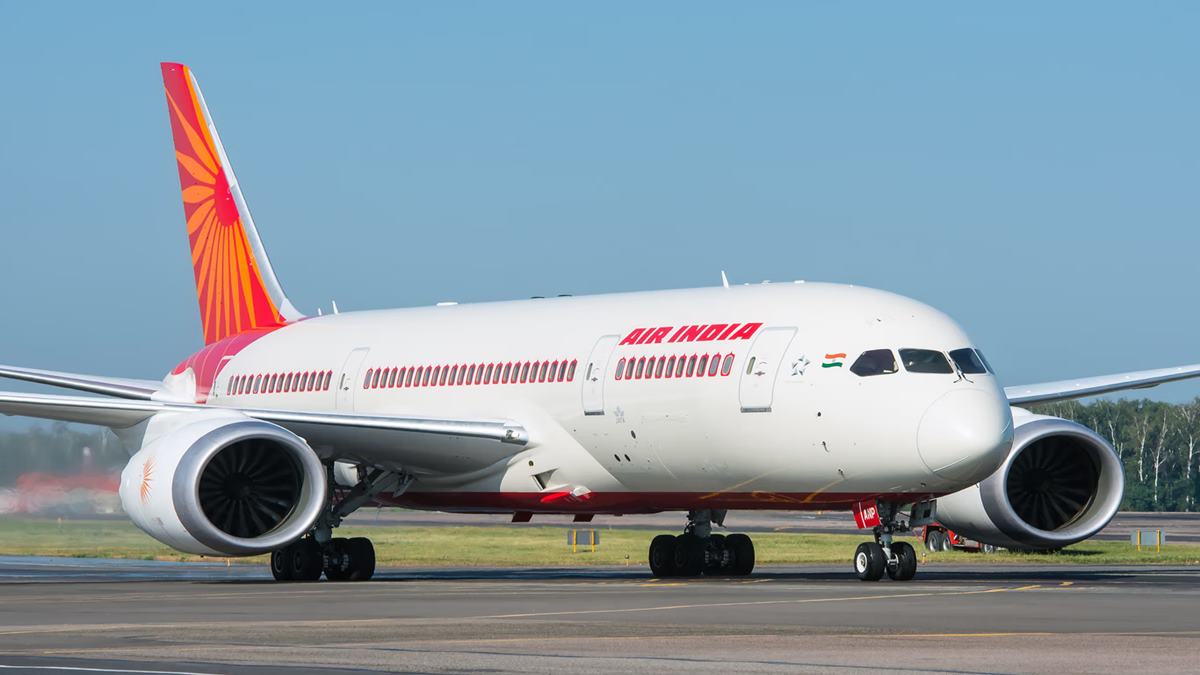







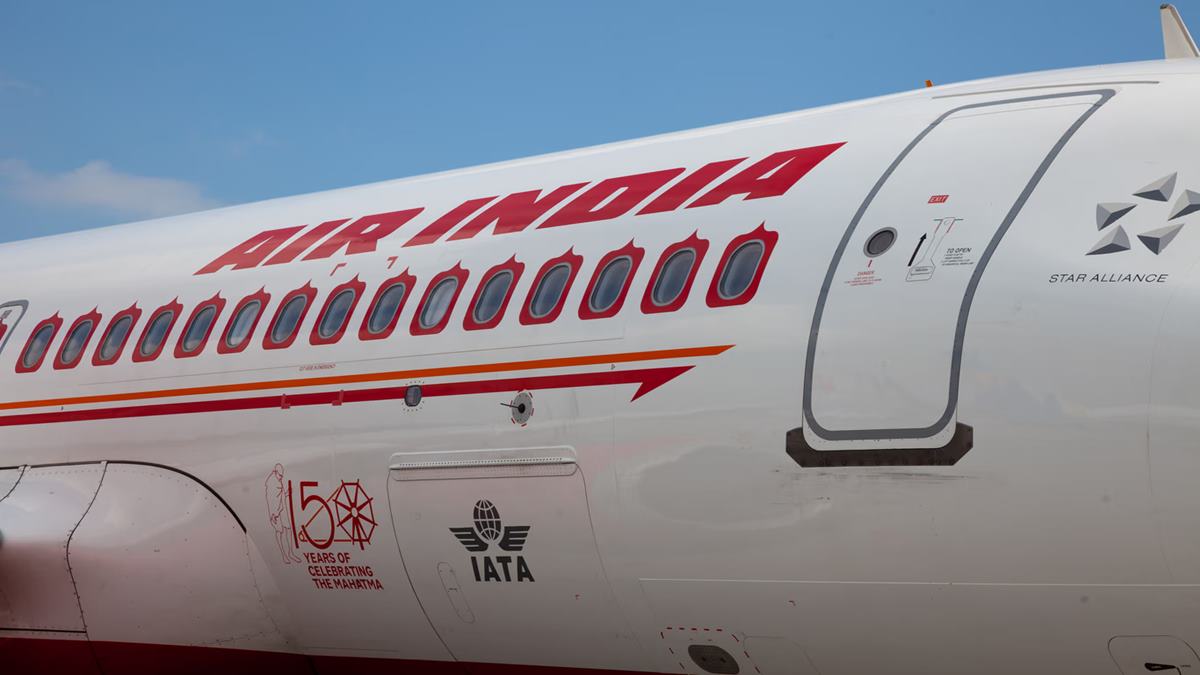
Air India is introducing a performance-linked stock option plan (PSOP) for employees, tying long-term rewards to company and individual performance as it continues its turnaround under the Tata Group
The move is aimed at improving retention and aligning workforce incentives with profitability goals, nearly four years after the airline’s privatisation.
Under the proposed plan, eligible employees — including pilots, engineers and senior management — will receive stock options that can be exercised after a vesting period, reported CNBC-TV18.
The options will be priced between the face value of ₹4 per share and the fair market value at the time of grant.
According to the company resolution cited in reports, the objective of the PSOP 2026 is to reward performance, retain talent, and incentivise contribution to long-term growth and profitability.
Size of the scheme and structure
As per a company disclosure to the Ministry of Corporate Affairs dated 6 April 2026, Air India plans to issue about 227.1 million stock options, representing around 0.25% of total share capital.
The options will be distributed among eligible employees across Air India and its subsidiaries. The nomination and remuneration committee of the airline’s board will determine:
- Eligible employees
- Number of options allocated
- Exercise price
Vesting period and performance conditions
The stock options will come with a vesting period of one to five years, requiring employees to stay with the airline before exercising their rights.
The plan is also performance-linked — employees may receive only half of their allocated shares if internal targets fall below 85%, according to disclosures cited in reports.
Air India continues its broader transformation under Tata Group ownership, which holds a 73.82% stake in the airline. Singapore Airlines also retains a 25.10% stake and has been extended pre-emptive rights to maintain its holding.
Industry experts quoted in earlier reports noted that equity-linked compensation is becoming increasingly common across aviation and corporate India, including airlines such as IndiGo, SpiceJet, and Akasa Air.
Financial and operational backdrop
The airline remains in a turnaround phase, reporting continued losses despite revenue growth. While Air India’s standalone revenue rose in FY25, losses remained significant, even as its low-cost arm Air India Express also reported widening losses.
The PSOP rollout comes alongside leadership transition at the airline, with chief executive Campbell Wilson stepping down earlier this year and continuing in post until a successor is named.
With performance now directly tied to equity-based incentives, Air India is signalling a shift towards long-term retention, accountability, and profitability-driven workforce rewards. The effectiveness of the plan will depend on execution and sustained financial recovery.