


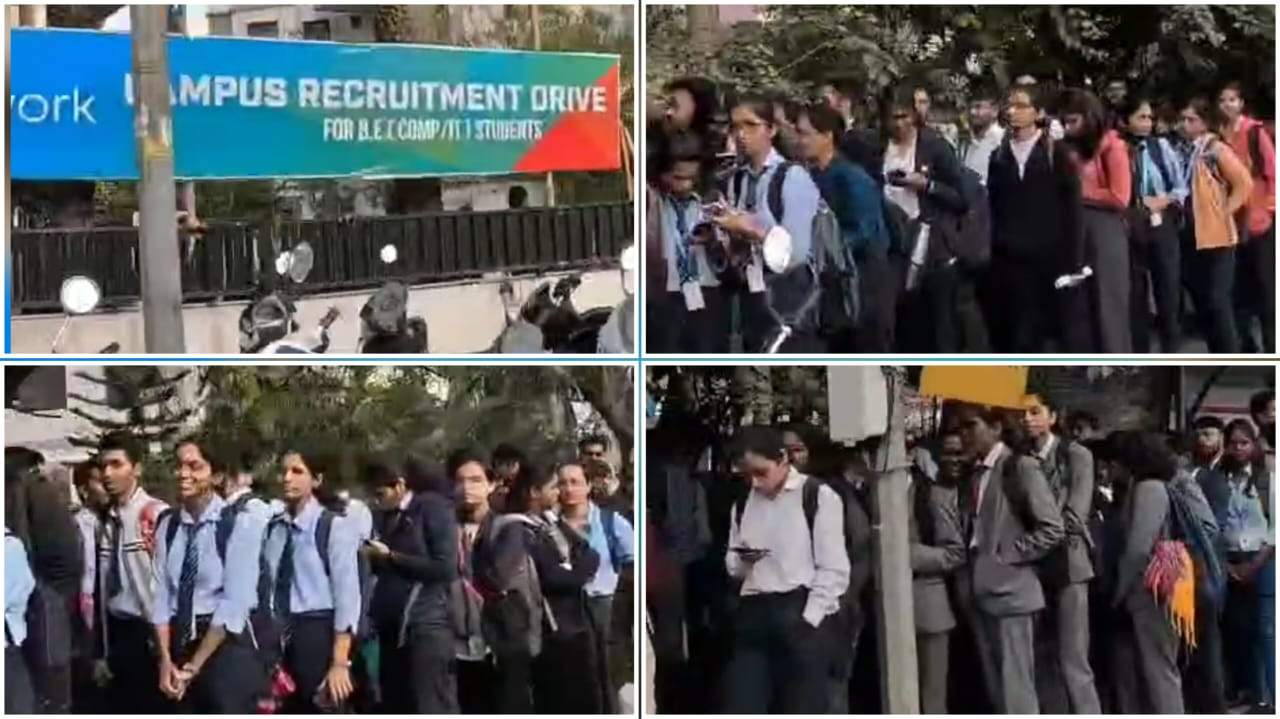














Companies are hiring; just not for you
A growing number of job listings are “ghost jobs,” real-looking postings for roles companies have no immediate plan to fill. If your applications vanish into silence, it may not be your resume.
The numbers are worse than you think
4 in 10 companies posted fake job listings in 2024
And 3 in 10 are currently advertising a role that is not real, according to a Resume Builder survey. Roughly 1 in 5 hiring managers admit to it.
Why do companies post jobs they won’t fill?
Companies ghost-hire to signal growth to investors, collect candidate data for future hiring pipelines, appease overworked teams, benchmarking salaries ahead of internal promotions; and fulfilling a legal requirement, even if they already know who they’ll hire. It can also be to simply keep their options open, without spending a dime on actually hiring.
Check the company’s own careers page
If the listing appears on LinkedIn or Indeed but is nowhere on the company’s official website, treat it as a red flag. Legitimate urgent roles almost always live on both.
Old postings don’t lie; but they do mislead
A listing open for over a month, or repeatedly reposted across several months, signals the company is building a talent pool, not rushing to fill a seat. Urgency leaves a timestamp.
Vague descriptions are a tell
Real open roles have specific responsibilities, qualifications, and success metrics. If a job description reads like it could apply to anyone, anywhere — it probably wasn’t written with a real hire in mind.
Your best weapon: A real human conversation
Before investing hours in an application, message the hiring manager or a current employee on LinkedIn. A ghost job evaporates under direct contact. A real one gets you remembered, before you’ve even applied.