





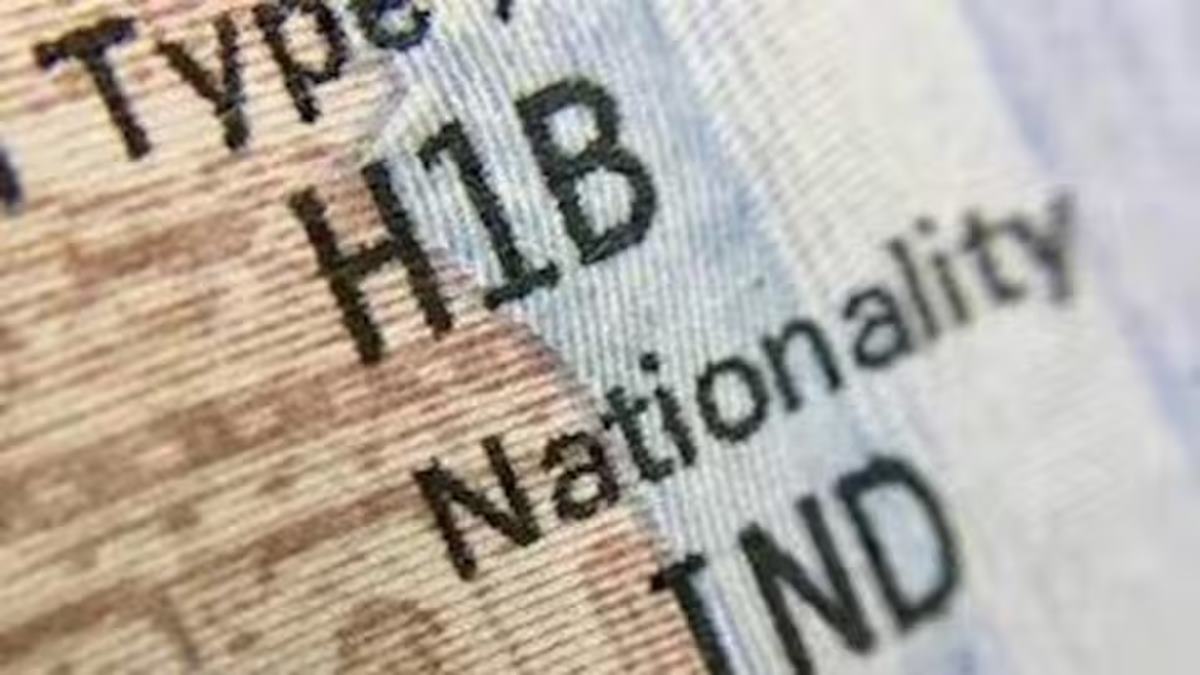









US immigration lawyers are warning that Instagram posts, side hustles, and even casual hobby content could now land H-1B workers in trouble, with consulates and USCIS increasingly treating social media activity as evidence of unauthorised work.
During a recent immigration update session on YouTube, attorneys Rahul Reddy and Emily of Reddy & Neumann PC flagged a rise in “extreme vetting,” where visa officers are not just reviewing documents, but also scanning online behaviour, including Instagram reels, YouTube videos, and other public posts.
They said cases are now emerging where H-1B visa stamping requests and extensions are being denied based on what applicants post online. The online scrutiny has raised concerns among foreign professionals in the US tech workforce.
Social Media becomes a new red flag for H-1B workers
One of the most striking developments, according to the attorneys, is the use of social media evidence in visa adjudications. Attorneys explained that US consulates are increasingly reviewing Instagram and other platforms to check whether applicants appear to be engaging in work outside their approved H-1B role.
“We have seen some people whose H-1B was denied because of Instagram. Either their visa stamping was denied, or their H-1B extensions are being denied right now because of what they posted on Instagram,” the attorneys said, adding that, “They look online and see Instagram posts that make it look like you’re working without authorisation.”
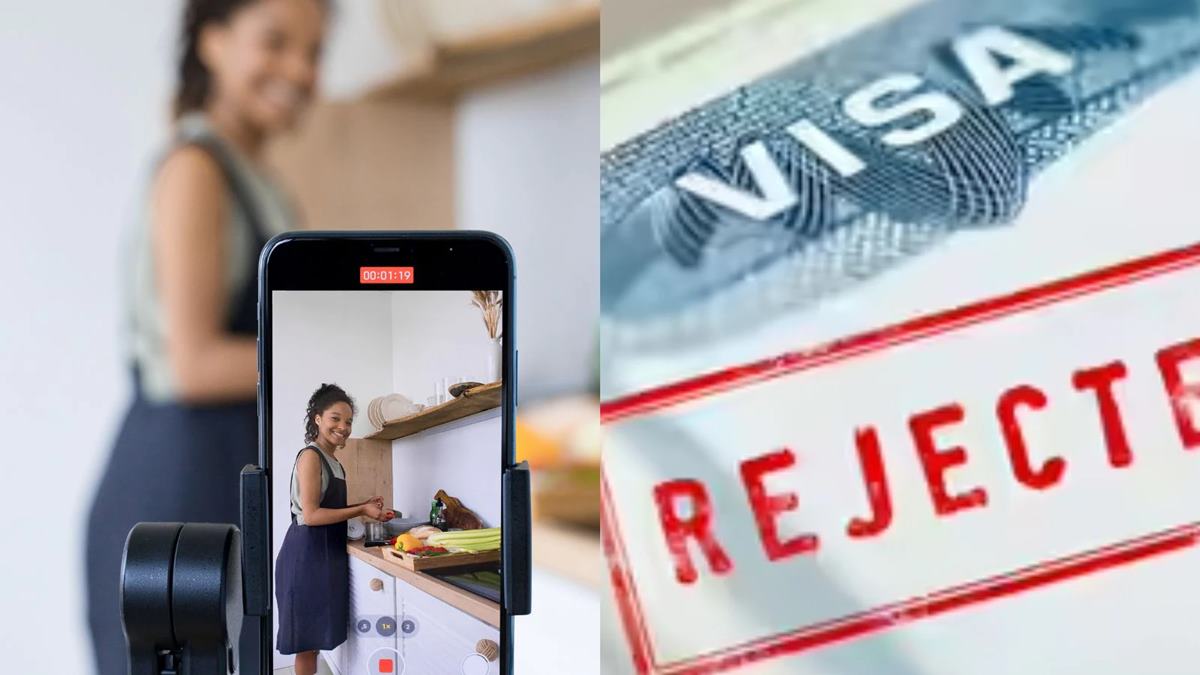
Examples shared included individuals posting about hair styling, cooking, or fitness coaching, activities that, depending on how they are portrayed, may be seen as paid work rather than personal interests.
When a hobby turns into ‘Unauthorised employment’
Rahul Reddy emphasised that the issue is not just about working second jobs, but about how online activity is framed. According to him, even innocent content can be misread if it resembles commercial activity. “If you are showing yourself doing someone else’s hair or cooking in a way that looks like a service, even without payment, it can raise questions,” he said.
One of the most concerning aspects for visa holders is the lack of clear boundaries. Emily noted that there is no official rulebook defining where the hobby ends and unauthorised work begins in the context of social media.
Emily broke it down further, explaining that posting running videos as a hobby would generally be considered safe, but sharing similar content while offering coaching services could raise red flags. Likewise, sharing recipes prepared at home may not be an issue, while showing yourself cooking in a commercial kitchen or offering to serve customers could be seen as risky. “It’s one thing to do an activity for yourself. It’s another to present it as something you’re doing for others,” she explained. The attorneys warned that even indirect signals, such as captions, hashtags, or monetised content, could invite scrutiny.
USCIS expanding digital surveillance in visa decisions
According to the experts, immigration officers are now more willing to connect online activity with visa compliance, especially under stricter enforcement frameworks. Reddy warned that this is part of a larger shift in immigration policy enforcement. “We are definitely seeing extreme vetting increasing. It is only going to get harder from here,” he said.
They added that even non-monetised content could become problematic if it appears to resemble freelance work or services offered to others.
Be extremely cautious online
Both attorneys urged H-1B workers to be far more careful about what they share publicly, especially content that could be interpreted as employment outside their approved role. They warned that immigration authorities now have access to tools that can track publicly available online information, while complaints from acquaintances or others could also draw attention to a person’s social media activity.
“We just want people to be a little bit more cautious when you’re posting anything on YouTube, Instagram, Facebook or any social media,” the attorneys said, adding that posts can sometimes be viewed “in the wrong angle” by USCIS. They also cautioned that visa holders should remain mindful not only of online content but also of compliance issues such as work location changes, which can trigger serious immigration consequences if not properly disclosed.