

















As companies across the world continue pushing employees back into offices, debates around flexibility, productivity, and workplace culture are becoming more intense than ever. While some organisations believe physical presence builds stronger teams, many employees argue that rigid policies often ignore the realities of modern work. A recent story shared online by career coach Simon Ingari has now gone viral for showing how one company’s strict return-to-office rule reportedly ended up hurting the very business it was trying to strengthen.
Taking to X, Simon Ingari narrated the story of an employee who handled accounts connected to the New Zealand region. Because of the time difference, most of the employee’s important calls happened between midnight and 2 a.m. Working remotely had allowed him to manage that unusual schedule efficiently while still delivering strong results. However, things changed when the company introduced a mandatory five-day office return policy.
According to the story, the manager informed employees that everyone was now expected to work from the office full-time between 8 a.m. and 5 p.m., with no exceptions allowed. The employee tried explaining that being physically present during standard office hours would directly affect his ability to handle late-night calls for New Zealand clients. The concern, however, was reportedly dismissed.
The manager insisted that rules had to apply equally to everyone and argued that having the whole team together in the office was necessary to improve company culture. The employee was told to “figure it out” rather than being offered any flexibility. The employee resigned.
Business affected
At the time, the manager reportedly appeared unfazed by the decision and stood firmly by the policy. But according to the post, the situation quickly began affecting the business itself. Within a month, sales in the New Zealand region had reportedly dropped by 50 per cent.
When leadership started asking questions internally, the answer became obvious. Nobody was available to handle the midnight calls because the one employee who had successfully managed that schedule had already left the company.
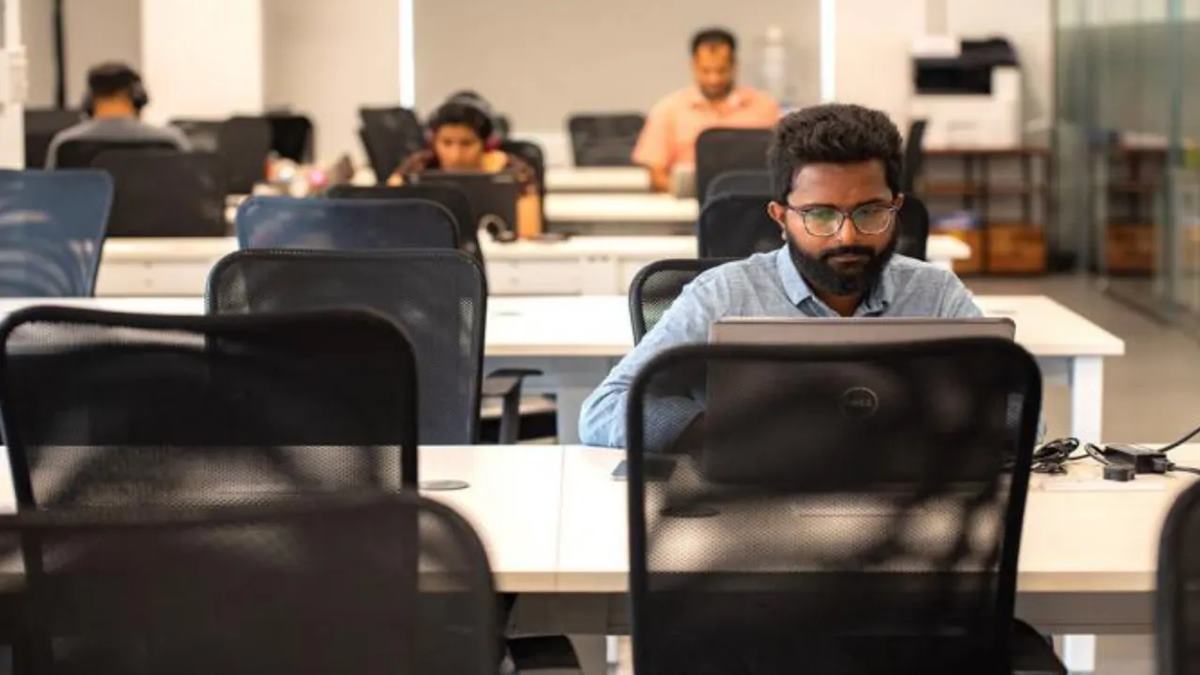
The irony of the situation became even sharper when team members reportedly pointed out that the employee had previously been forced to spend hours commuting every day simply to sit inside an office wearing noise-cancelling headphones while continuing the same remote-style work.
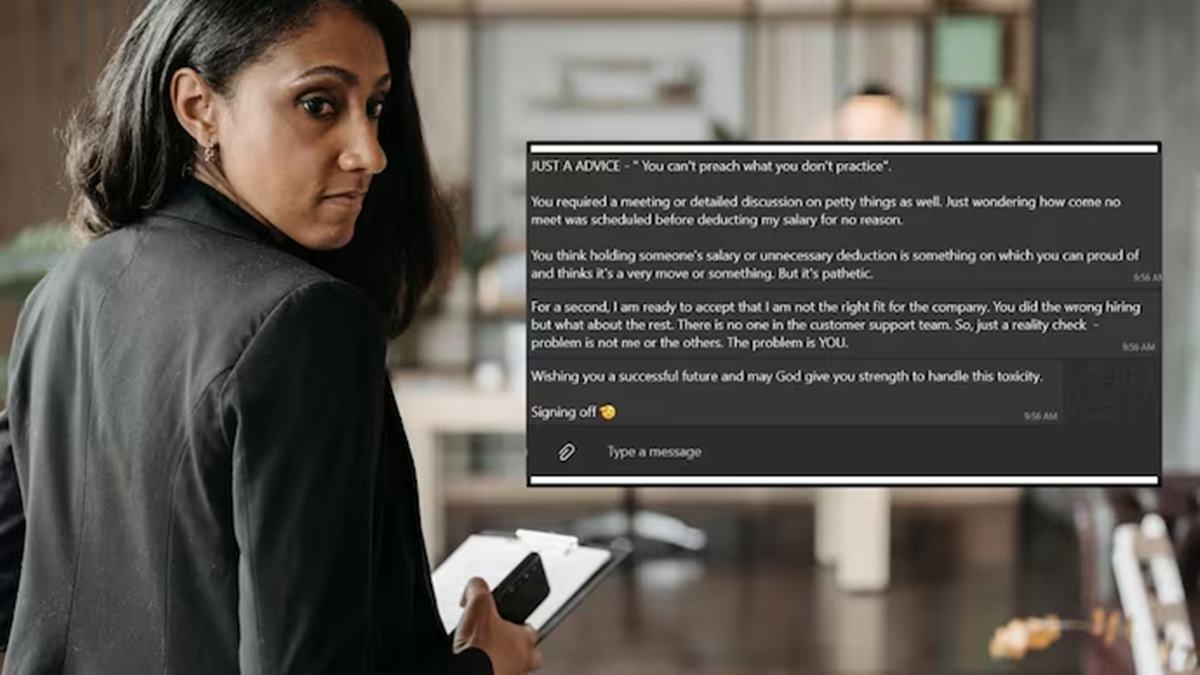
Employee’s response after manager reaches out to him
Eventually, the manager reached out to the former employee and offered a hybrid arrangement in an attempt to bring them back. But by then, the employee had already moved on to another organisation that trusted them to manage their work without policing their physical location.
Simon Ingari ended the story with a message that resonated strongly online. According to him, companies may be able to enforce attendance policies, but they cannot force genuine engagement or loyalty. When businesses prioritise rigid systems over practical realities and employee trust, they often risk losing their most valuable people.