










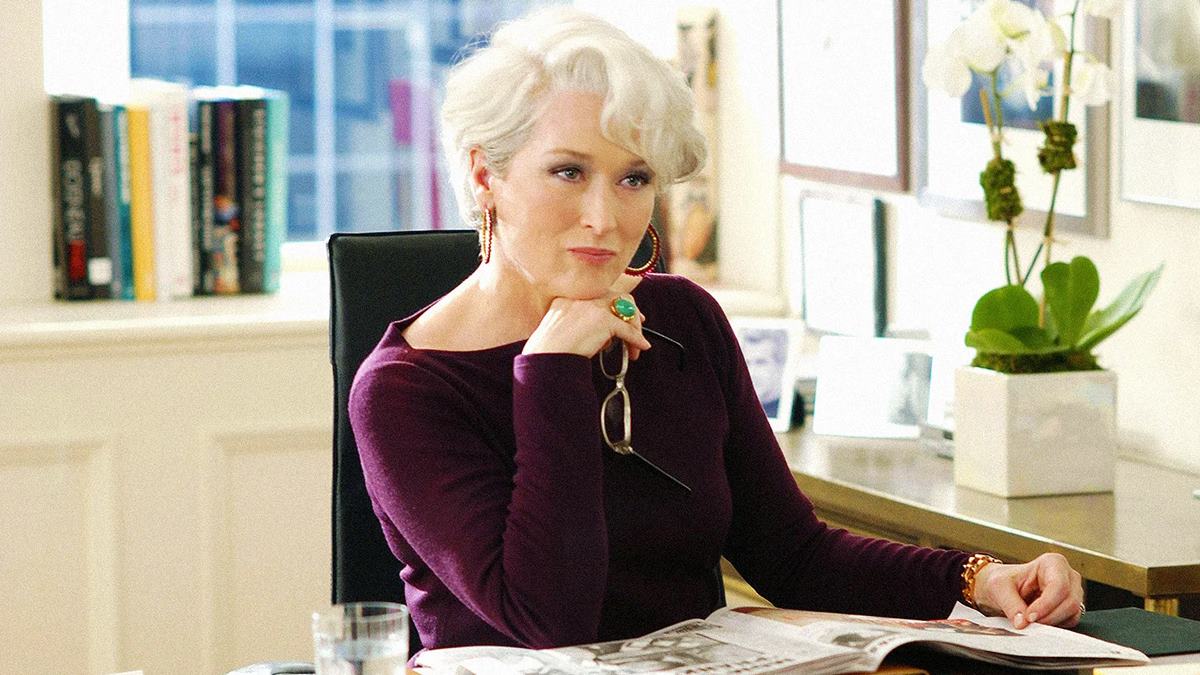
The clack of Manolo Blahniks echoing through a hushed office floor is a sound that defined a generation of corporate ambition. When The Devil Wears Prada premiered in 2006, Miranda Priestly became the undisputed archetype of the “tough woman boss.” She was brilliant, chic, and devastatingly cruel, a character that audiences loved to hate and secretly envied. Fast forward to 2026, and the release of Devil Wears Prada 2 has reignited a global conversation. But the world Miranda inhabits now is fundamentally different. The sequel doesn’t just bring back the fashion; it brings back the debate over female leadership stereotypes in an era that has supposedly moved past them.
In 2006, Miranda was a pioneer of the “ice queen” trope. In 2026, she is a case study in the struggle between legacy power and a modern workforce that prioritizes psychological safety over prestige. The shift from 2006 to 2026 reveals a profound evolution in how we perceive women in leadership in 2026, moving from the glamorization of fear to a demand for accountability.
The 2006 Archetype: Ruthless, Cold, and “Obsessed”
In the original film, Miranda Priestly’s leadership was framed through the lens of sacrifice. To reach the top of the fashion world, she had to be emotionally unavailable, “unfeminine” in her lack of warmth, and perpetually lonely. The 2006 corporate culture often celebrated this brand of abrasive leadership. It was the era of the “visionary” male CEO who could scream at subordinates and be called “decisive.”
However, for women bosses, the narrative was different. While a man’s ruthlessness was a badge of honor, Miranda’s identical behavior was evidence of a personal failing. She was “difficult” and “intimidating”, labels that reflected the double bind leadership theory. This theory suggests that women are trapped: if they are assertive, they are disliked; if they are “soft,” they are seen as incompetent. In 2006, Miranda chose to be feared, accepting that her “likability” was the price of her power.
2026: The Nuance of Demand vs. Toxicity
The conversation in The Indian Express and other major outlets regarding Devil Wears Prada 2 highlights a more nuanced distinction. Modern audiences are no longer content with the “bossy women bias.” We have learned to distinguish between a demanding leader – someone who has high standards and pushes for excellence – and an outright toxic leader who thrives on routine humiliation.
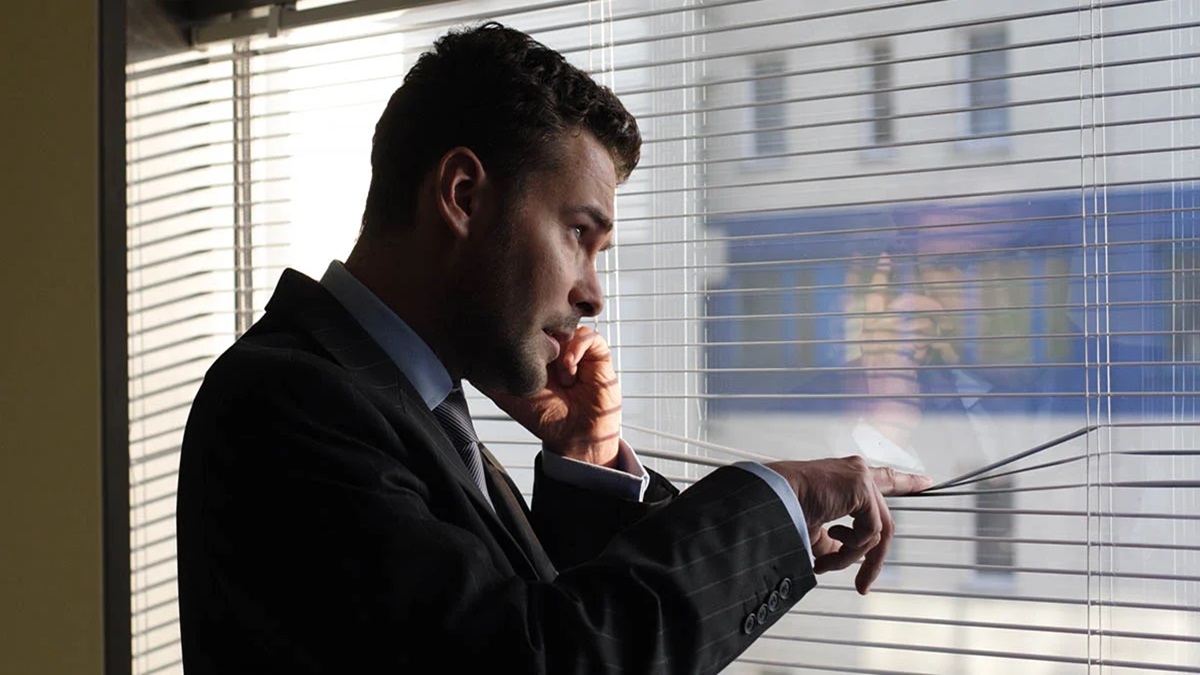
In the 2026 sequel, Miranda is reportedly portrayed as a relic. She is a woman struggling to reconcile her “old school” management style with a world of HR-mandated inclusivity expectations, Gen Z values, and a workforce that refuses to fetch a steak during a hurricane. The “Devil” hasn’t necessarily changed, but the “Prada” world has. Today’s employees don’t view being “seen” by a toxic boss as a career-making moment; they view it as a reason to update their LinkedIn profiles.
The Leadership Double Bind: 20 Years Later
Despite two decades of progress, the double bind leadership remains a stubbornly persistent feature of the corporate landscape. According to recent CMI studies, workplace gender bias continues to shape how subordinates perceive authority.
- Assertiveness vs. Likability: Research from ResearchGate confirms that assertive women are still frequently perceived as less “likable” than their male counterparts.
- The Nurturing Expectation: In 2026, women leaders are expected to be a “hybrid” of authority and empathy. They must be the “Lion” when defending the company but the “Mother” when managing team morale—a dual burden that male leaders are rarely pressured to perform.
- Harsher Scrutiny: Women continue to face “perfection bias,” where a single mistake is seen as a sign of systemic incompetence, whereas men are often given “potential bias,” being promoted based on what they might do rather than what they have actually achieved.
From “Girlboss Feminism” to Ethical Leadership
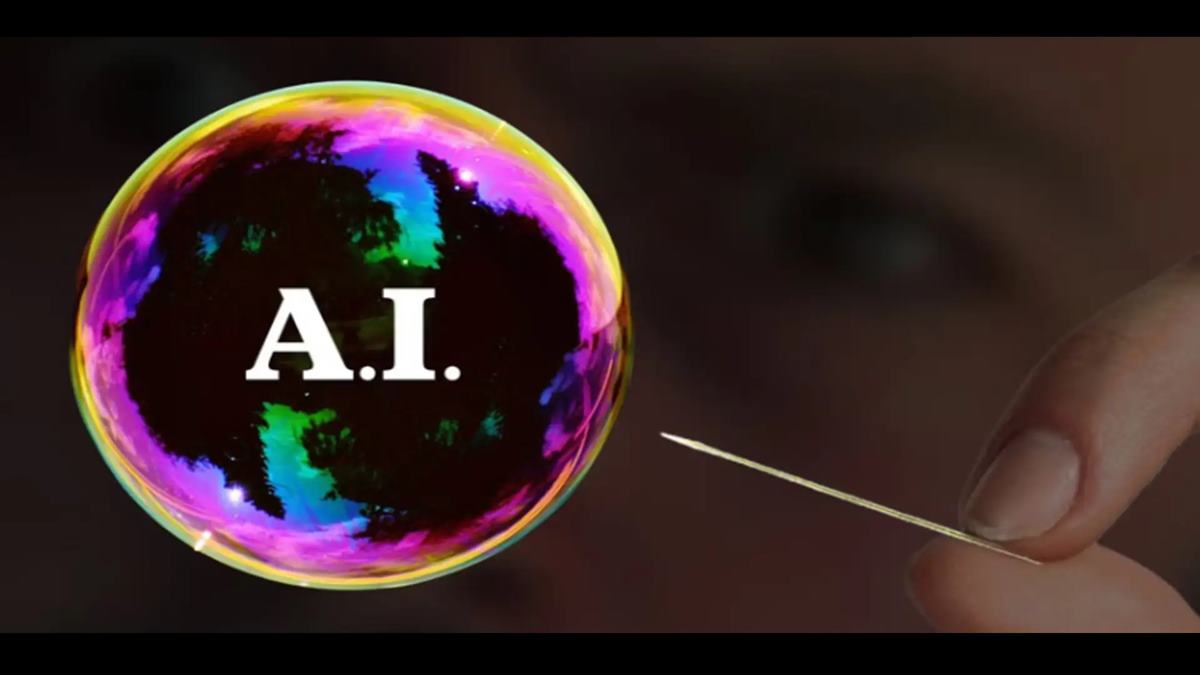
The mid-2010s gave us “girlboss feminism”, a brand of empowerment that suggested women could succeed by simply adopting the same aggressive tactics as men. By 2026, that bubble has burst. The “girlboss” was often just a Miranda Priestly with a better Instagram aesthetic; she was still participating in a toxic work culture.
Today, the cultural interest has shifted toward ethical leadership. 2026 is less interested in glamorizing ambition at any cost and more focused on sustainable careers. We are comparing:
- Toxic Ambition vs. Wellbeing: Is a high-paying job worth the burnout?
- Authoritarianism vs. Emotional Intelligence (EQ): Managers with high EQ are now outperforming “command and control” leaders in retention and innovation.
- Human vs. AI Managers: As noted in arXiv papers, even as AI takes over management tasks, gender bias persists in the algorithms, often coding “decisiveness” as a male trait and “collaboration” as a female one.
The Broken Rung and the Burnout Crisis
The McKinsey & Company “Women in the Workplace 2025” report paints a sobering picture. While representation has increased, the “broken rung” at the mid-management level remains the biggest obstacle to women reaching the C-suite.
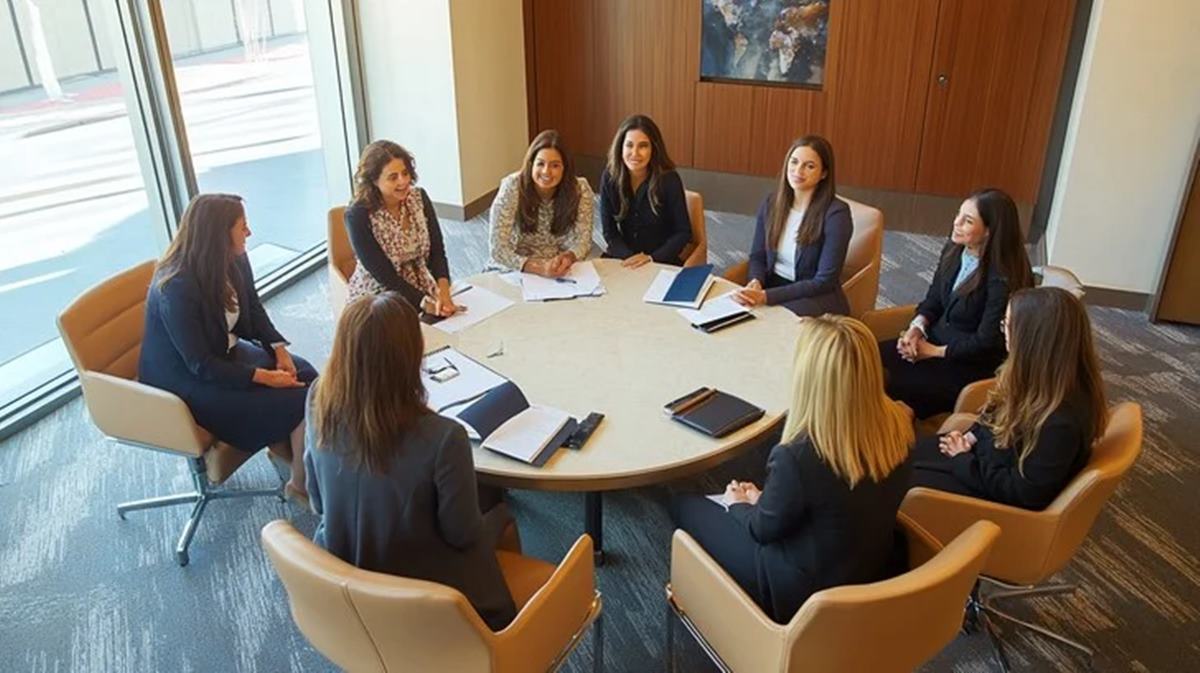
Women in leadership 2026 are experiencing disproportionately high rates of burnout. They are doing the “office housework”: mentoring, diversity initiatives, and emotional labor, which often goes unrewarded in performance reviews. Consequently, many high-performing women are opting out of the promotion pipeline entirely, choosing work-life balance over the “Miranda Priestly” crown.
How Leaders Can Do Better: The 2026 Mandate
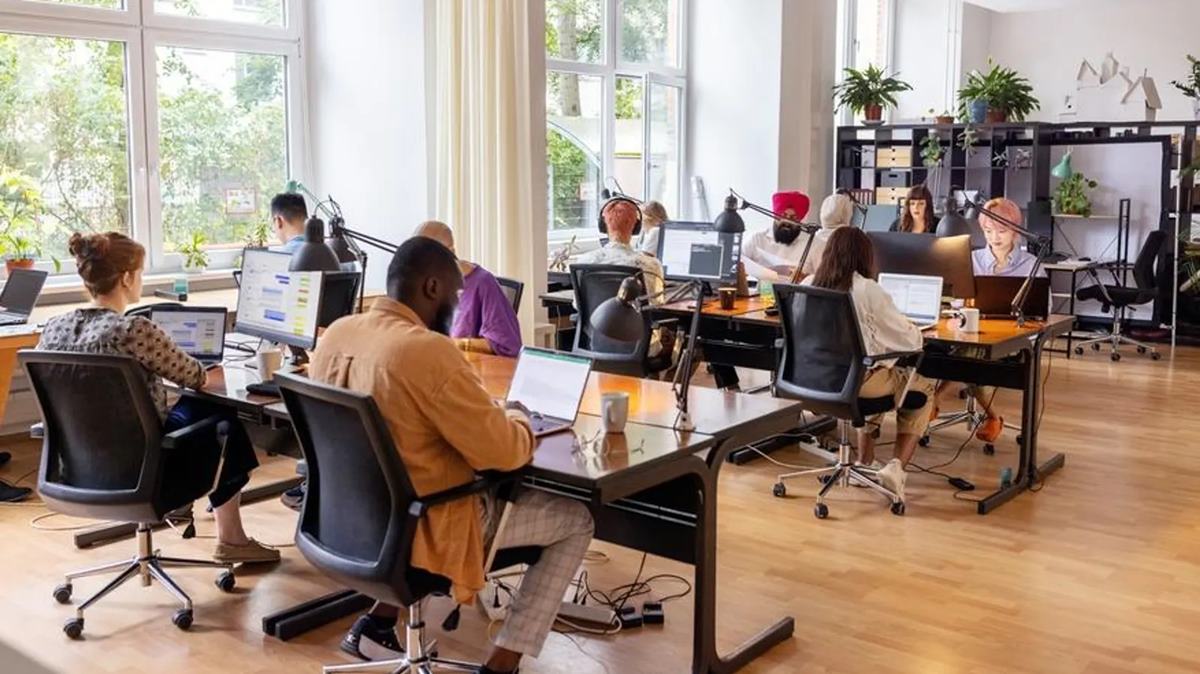
If The Devil Wears Prada was about surviving a boss, the 2026 cultural shift is about becoming a better one. According to Business Insider, the modern leader must focus on:
- Psychological Safety: Creating an environment where employees can speak up without fear of being “belittled” à la Miranda.
- Mentorship over Mandates: Shifting from “do it because I said so” to “let me show you why this matters.”
- Visible Accountability: Leaders are now held to the same standards of conduct as their subordinates. No one is too “brilliant” to be civil.
- Equity in Labor: Actively dismantling the “invisible labor” trap that burdens female managers.
“That’s All?!”
The legacy of Miranda Priestly is a complicated one. She proved that a woman could run a global empire with a whisper, but she also left a trail of “broken Emilys” in her wake. In 2026, we still admire her style and her uncompromising excellence, but we reject her methods.
The workplace sexism that plagued 2006 has evolved into a more subtle, systemic workplace gender bias that requires intentional deconstruction. As we watch the sequel, we realize that the real “Devil” isn’t the woman in the Alaia Trench Coat, it’s the outdated, authoritarian structures that forced her to choose between being a leader and being a human.
2026 culture is finally ready for a boss who is visionary and kind, demanding and supportive. Miranda might call that “pathetic,” but for the rest of us, it’s progress.