








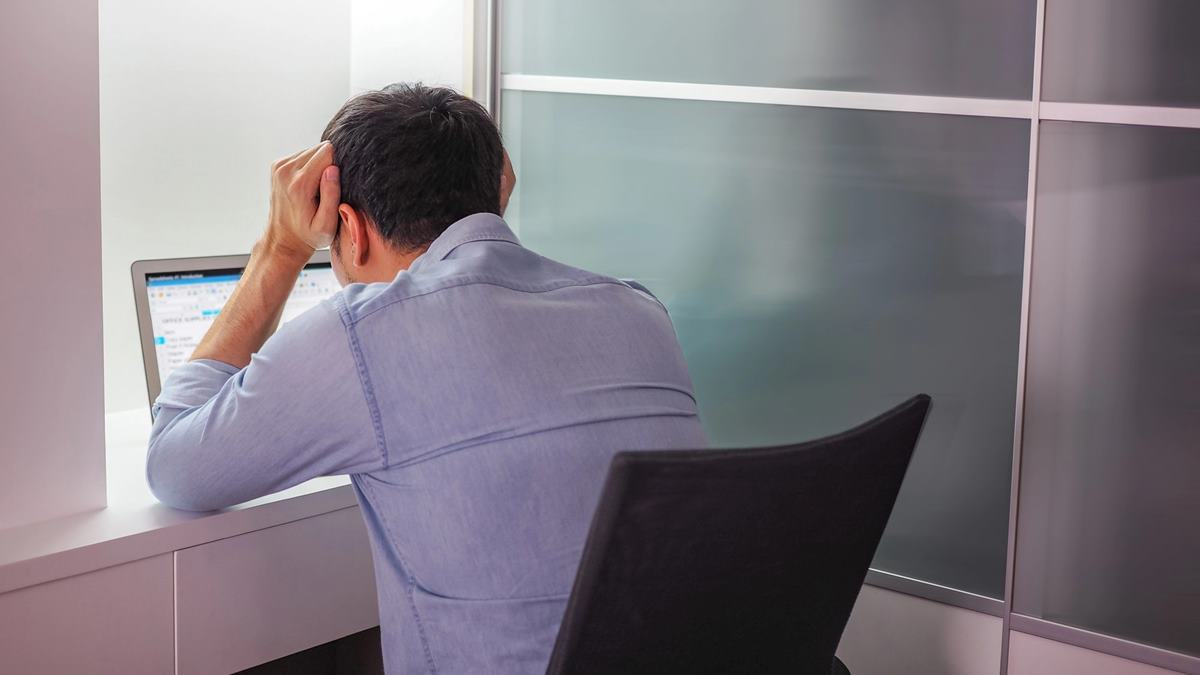





Job stress and workplace burnout have reached such heights that employees are seeking refuge in office restrooms to escape the emotional overload. The trend is so common, it has become a workplace buzzword: “restroom lurking.” The term refers to employees retreating to office restrooms—not just for bathroom use but to decompress, cry, scroll their phones, calm down or escape workplace pressure for a few minutes.
‘Restroom Lurking’ Uptick As Workplace Calm Declines
Workplace calm has become an endangered species. For decades, work culture has rewarded speed, urgency and nonstop responsiveness. The ideal employee was the one who could multitask endlessly, answer emails instantly, jump between meetings without pause and remain “always on.” Employer demands like the ”infinite workday” and 9-9-6 workweeks have heightened workplace anxiety and burnout in 2026.
I spoke with Arianna Huffington, CEO of Thrive Global, who told me that calm is essential in the modern workplace. “When we’re stressed or in a state of fight-or-flight mode, all of the qualities we need to succeed—decision-making, creativity, collaboration and problem-solving—go offline.”
Olivia Smith, Registered Nurse (RN), founder of Write a New Story and master certified professional coach, told me that the modern workplace is anything but calm. She points out that, stretched to the breaking point, organizations have replaced stability with what she calls a “productivity pandemic”—a culture where chronic pressure is mistaken for commitment.
“Companies are demanding more output from fewer people while constant interruptions, digital overload and nonstop connectivity keep employees trapped in cognitive chaos,” Smith adds. “The workplace has become a petri dish for maladaptive behaviors driven by stress and urgency. The result is a culture where exhaustion is normalized and calm is viewed as under-performance.”
Add a 66% burnout rate and declining emotional health and psychological safety, plus employees grappling with layoff fatigue, mounting workloads, economic instability and lingering post-pandemic job pressures—”restroom lingering” is becoming a coping mechanism.
According to a recent survey by Kickresume, 44% of workers are hiding out in office restrooms to regain self-regulation when feeling overwhelmed. Some (10%) admit they spend more than 10 minutes at a time. Women (53%) say they’re more likely to use this coping mechanism than men as a result of several factors.
What makes this trend significant isn’t the restroom itself—it’s what it symbolizes. Workplace experts like Peter Duris, CEO and co-founder of Kickresume, see “restroom lurking” as a warning signal that many employees feel they have nowhere else to recover emotionally during the workday.
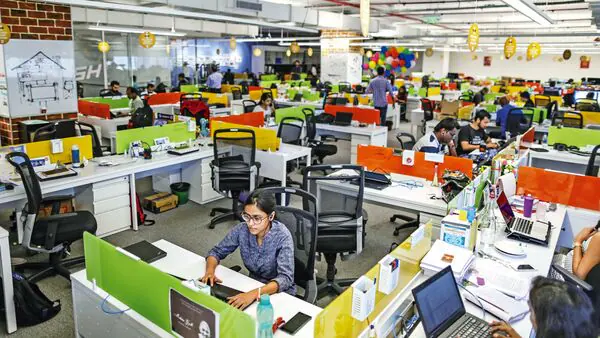
The trend points to several larger issues: constant surveillance, lack of quiet/private spaces and the scarcity of calm in hyper-stimulated work spaces. Workers are creating “micro-escapes” when modern workplaces fail to provide humane decompression spaces. Restroom stalls are the only temporary “safe spaces” where employees can briefly shut the door, breathe and emotionally reset stress and overstimulation.
Tips For Employees
Duris offers several tips for employees using the restroom as a sanctuary from job stress and stimulus overload:
- “Reflect on why you’re ‘restroom lurking’. If you realize you’re often hiding in the toilet, take a minute to think about why. Is the issue your day-to-day work itself, or are you currently feeling stressed because of something in your life outside of work?”
- “Be open with your manager. If you’re struggling at work, let your manager know. Talk in private about how what you’re experiencing is affecting your ability to work, whether that’s an unmanageable workload or a period of difficult mental health. You don’t have to disclose anything you don’t feel comfortable sharing, but a good manager will want to support you and see if there is something that can be done to make things easier.”
- “Support your colleagues if you can. If you hear someone crying in the restroom, they might not feel comfortable talking to you about it, but they will probably appreciate it if you gently say, ‘Hope you’re okay, let me know if I can help.’ They might feel embarrassed that someone has seen or heard them crying in the restroom, but a kind word goes a long way.”
Tips For Managers
Duris warns that if employees are hiding in bathrooms regularly, employers shouldn’t immediately interpret it as laziness or disengagement. He acknowledges that the restroom is somewhere to get privacy, but it’s a problem if your employees are hiding, feeling too anxious to come back out.
It may reflect chronic overload, lack of autonomy or emotional fatigue or a sign that workers feel unsupported. Duris offers three steps to take if you’re an employer or manager:
- “Make time for regular one-on-ones with your team. This will help you check in on people’s well-being, by creating a space where they can talk to you in private and raise any issues they’re experiencing.”
- “Help your team prioritize. If your employees are feeling overwhelmed because it’s extremely busy and they can’t handle the workload, work together with them to identify which tasks need to get done as a matter of urgency and which can wait. If this happens a lot, it might be the case that you need to advocate for your department to hire more staff.”
- “Provide a break room if you can, or create an environment where staff know it’s okay to step away from their desks for a break if they need to. If someone seems visibly upset, ask them if they need a minute to themselves. The cause might be work-related or it could be something in their personal life, and they shouldn’t feel any pressure to explain.”
Restoring A Calm Work Environment
A calm work environment is the antidote to “restroom lurking.” I visited Huffington in her New York City office a few years ago and saw firsthand how Thrive Global is restoring workplace calm—providing quiet rooms, flexible scheduling and calmer meeting structures.
I tried out a “nap pod” for employees up at night with a sick child. I discovered that employees are granted “Thrive time” to recharge before returning to the office after extended hours over the weekend or pulling an all-nighter to ship a product.
Huffington says Thrive Global’s most powerful tool for creating calm is Thrive Reset, based on neuroscience that we’re able to course-correct from stress in seconds with conscious breathing.
“Along with calming visuals and music, each Reset includes a guided breathing bubble that helps you inhale, exhale and interrupt stress before it becomes cumulative,” she explains. “That one action—focusing on the rising and falling of our breath for just 60 seconds—has a dramatic effect on the brain.”
Unless employers intervene in an economy shaped by burnout, anxiety and nonstop stimulation, employees will continue creating unofficial “micro-escapes” wherever they can—even in restroom stalls. And calm may become one of the most valuable workplace resources and competitive edges employers can offer in 2026.