
















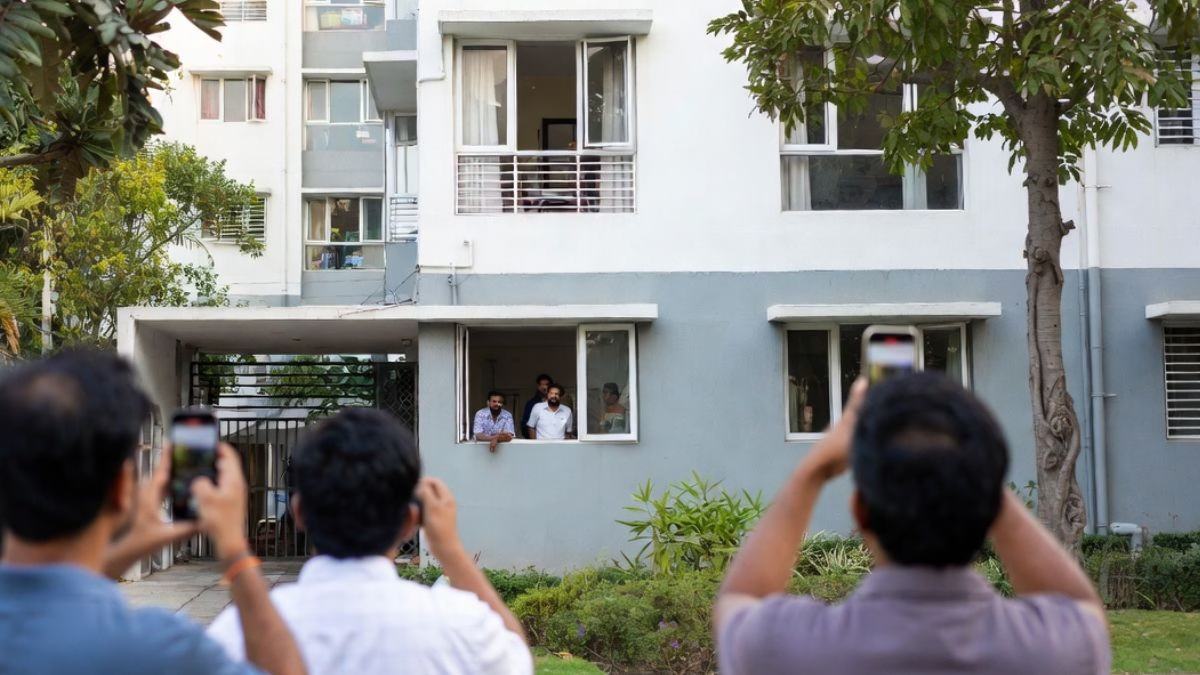
A growing trend of anti-immigrant harassment targeting H-1B workers at their homes and workplaces has prompted immigration attorneys to issue urgent guidance on how foreign nationals should respond, and what legal protections they actually have.
Speaking in one of their YouTube podcast sessions for visa holders and green card applicants, immigration attorneys Rahul Reddy and Emily Neumann of RN Law Group outlined several pressing concerns affecting H-1B workers, OPT students, and adjustment of status applicants in the current environment.
The lawyers say these confrontations are no longer limited to workplaces or public discussions. Instead, they are increasingly happening at residential buildings, with individuals recording videos, livestreaming interactions, and asking personal questions about immigration documents and work status.
“These are not FDNS or ICE officers,” said Emily Neumann, making a clear distinction between official authorities and private individuals. “A private citizen has no authority to question your immigration status, no authority to demand documents, no authority to enter your home.” She added that if someone crosses into private property, they can legally be treated as a trespasser.
‘Don’t open the door’: Lawyers urge calm and caution
Rahul Reddy and Neumann laid out very clear advice for H-1B workers who may face such situations, starting with one simple instruction, do not open the door. She emphasised that these individuals are fundamentally different from government officers. A random person with a camera has none of the legal standing that FDNS or ICE officers carry.
The lawyers recommended using devices like Ring cameras or security systems to first verify who is outside before taking any action. If someone claims to be from a government agency, workers should still ask for official credentials through the closed door and, if possible, take a photo. But if the person is a private citizen, the advice is even more direct, do not engage at all.
Reddy added, “You already opened the door? Close the door. Don’t say a word. You don’t have to provide anything, you don’t have to explain anything. You have no liability to this random person showing up at your house,” he said.
If the visitors refuse to leave shared areas like hallways or parking spaces, the lawyers advise contacting building security, management, or local police. They also stress the importance of documenting everything and sharing it with employers and immigration lawyers if needed.
Key guidance from the attorneys:
- Don’t open the door to anyone you haven’t verified. Use a ring camera or speak through the door first.
- Ask for credentials If someone claims to be a government officer, ask them to show ID through the door. If they can’t, they aren’t law enforcement.
- Don’t engage, argue, or film back. Escalation works against you.
- Call building management or police if someone refuses to leave common areas like hallways or parking lots.
- Document everything, ring footage, screenshots, license plates, voicemails, and report incidents to your employer and immigration attorney.
Reddy added that trying to reason with such individuals is often pointless. “You cannot make sense with these people… They are already predetermined to insult you, to insult your community, insult the H-1B, insult the entire country that you are from.”
On the question of public access files and LCA notices, documents these activists sometimes demand, attorneys added, these are employer obligations, not the personal responsibility of H-1B workers.
Legal risks add to pressure on H-1B workers
Alongside the warning about vigilante harassment, the attorneys also stressed how important it is for visa holders to stay fully compliant with immigration rules. Speaking of fraud and misrepresentation under US immigration law, specifically INA Section 212(a)(6)(C), they said, it is one of the most serious grounds that can block a person’s future immigration benefits.
“This makes anyone inadmissible if they, by fraud or willful misrepresentation, sought to procure a visa, document, admission, or other benefit under the Immigration and Nationality Act… It is very serious,” said Neumann.
The consequences can be severe, including visa denials, rejection of green card applications, and long-term bans from immigration benefits. In many cases, waivers are either very limited or not available at all.
The lawyers warned that even small inconsistencies can create major problems, such as differences between visa applications and green card forms, failure to disclose past visa issues or arrests, or missing information about family members.
Reddy added, “It’s not what you did… It’s what you told the USCIS official… If you’ve been hit with misrepresentation, you need to contact an immigration lawyer.”