



















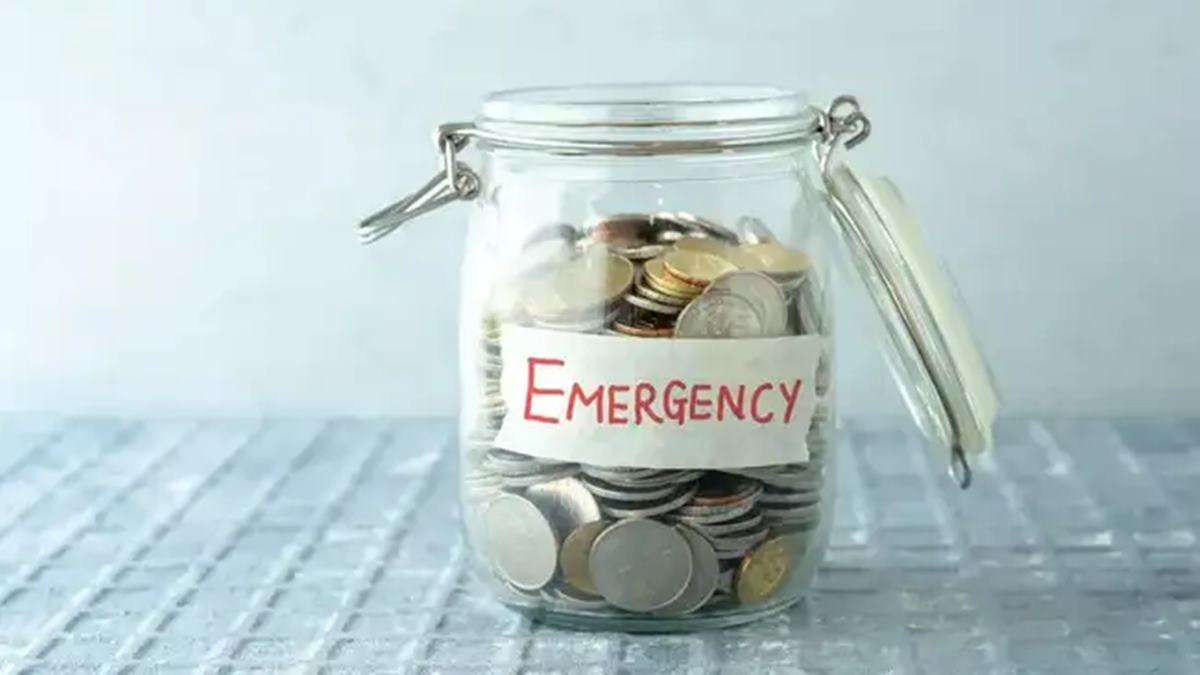
Life is unpredictable, and sometimes expenses hit when you least expect them. Bengaluru-based CA Meenal Goel, a former KPMG and Deloitte professional, knows this all too well. What could have been a stressful financial emergency instead became a lesson in calm preparedness, all thanks to a simple but powerful tool: an emergency fund.
Meenal had set aside 3 months’ worth of living expenses, quietly waiting in the background. When an unexpected cost arrived, she didn’t panic or rush to take a personal loan. That buffer saved her a potential interest cost of around Rs 3 lakhs, given personal loans often carry 10 to 12 per cent annual interest.
The emergency fund acted like insurance for her finances—no EMIs, no monthly stress, no interest bleeding. Its purpose wasn’t to generate returns; it existed solely to protect her from making poor financial choices during a critical moment. Beyond the money saved, it provided peace of mind, flexibility, and control—proof that the right financial buffer can turn a crisis into just another manageable day.
CA Meenal Goel shared an image with the post, crediting it to Napkin Finance, which breaks down the concept of an emergency fund in a simple, visual way. The image explains that an emergency fund is essentially a stash of “just-in-case” money, meant to cover unexpected situations like losing your job, ending up in the emergency room, or needing urgent repairs. It highlights a rule of thumb: saving three to six months of living expenses.
The image also offers practical tips: set up auto-save, fund the emergency stash before other goals, and keep the money in a savings account. A playful note reminds viewers that things like Coachella tickets are not emergencies, reinforcing the idea of using the fund wisely.
Internet reacts
Many people often overlook that avoiding interest payments is a hidden financial gain that rarely shows up on balance sheets. Emergency funds aren’t just cash—they are emotional assets, providing calm, flexibility, and control when unexpected events could otherwise force rushed decisions under pressure. They act as a shield against borrowing at the worst moments, offering protection from high-interest debt and financial stress. In unpredictable times, having liquidity can be far more valuable than chasing high returns.