
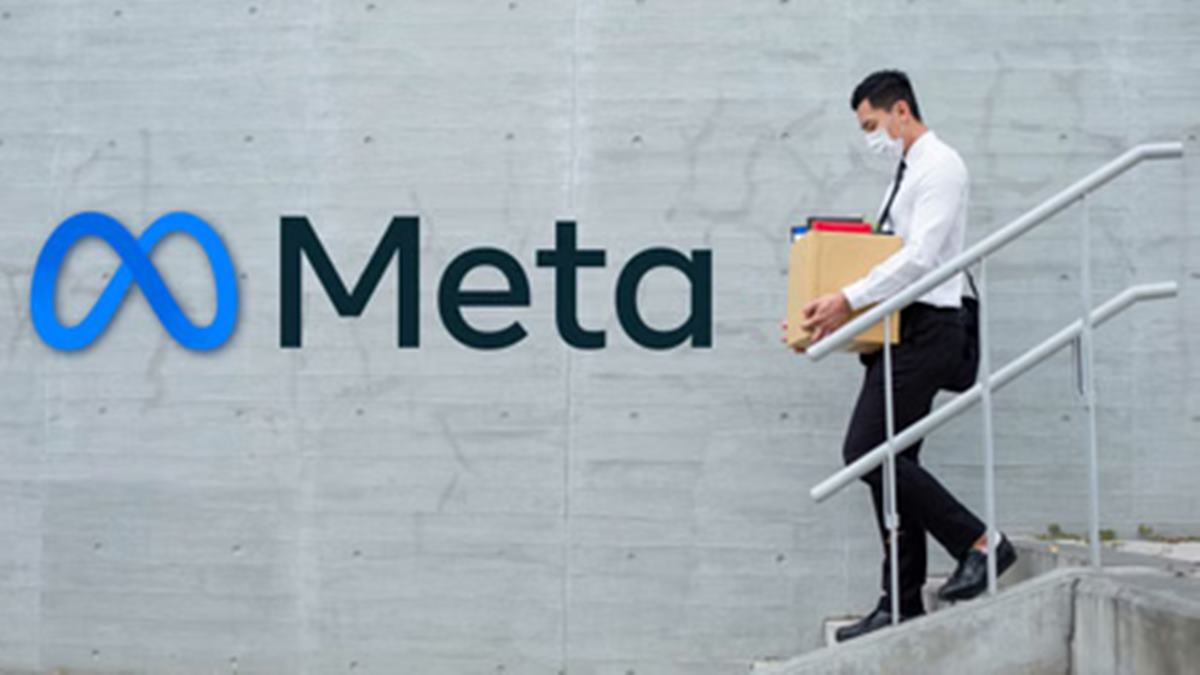


















A wave of “quiet layoffs” is emerging across Chinese companies as firms rapidly adopt artificial intelligence tools while trying to avoid visible mass unemployment that could trigger social instability.
Workers in sectors ranging from technology and advertising to entertainment say employers are reducing contractors, slowing graduate hiring, and gradually replacing routine tasks with AI systems such as enterprise automation tools and AI agents. One widely adopted system, OpenClaw, has been integrated into workflows in major internet firms, accelerating productivity changes.
Employees describe a shift where tasks once performed by teams are now being automated, with some companies restructuring departments so that significantly fewer staff are needed to produce the same output. In many cases, layoffs are not announced publicly but occur through attrition, contract non renewal, or gradual role elimination.
This transformation is unfolding alongside Beijing’s push under its “AI Plus” strategy, which aims for widespread AI adoption across key sectors in the coming years. The policy encourages companies to integrate AI to boost productivity but within limits that avoid large scale unemployment shocks.
How Companies Are Quietly Reducing Jobs
Firms are reportedly using several indirect methods to cut workforce size:
- Ending or not renewing contractor roles
- Reducing entry level and graduate hiring
- Replacing repetitive tasks with AI tools
- Gradual department restructuring instead of mass layoffs
- Performance tracking based on AI usage metrics such as token consumption
In some workplaces, employees say managers are even evaluating staff based on how actively they use AI tools, linking adoption to performance reviews and promotion potential.
Industries such as media production and entertainment have seen particularly sharp changes, with AI generated content reducing the need for large production teams.
Beijing’s Balancing Act on AI and Employment
China’s leadership faces a dual challenge. On one hand, it is pushing for rapid AI adoption to improve industrial productivity and global competitiveness. On the other hand, it is trying to prevent visible job losses that could fuel social discontent.
Chinese labour rules require approval for large scale layoffs, and courts have in some cases ruled against dismissals directly tied to automation. As a result, companies appear to be adopting more gradual workforce reductions to stay within regulatory and political boundaries.
Officials have also begun studying the employment impact of AI and exploring reskilling programs, but a comprehensive policy framework is still evolving.
Why It Matters
The shift underway in China highlights one of the most significant labor market transformations globally, where AI is simultaneously driving efficiency gains and reducing demand for entry level and mid skill jobs.
China is particularly sensitive to this transition because it already faces structural employment pressures, including high youth unemployment and a large number of university graduates entering a competitive job market.
The situation also illustrates a broader policy tension: AI is seen as essential for economic modernization, yet its rapid adoption risks widening inequality and reducing traditional job opportunities faster than new ones are created.
For global markets, China’s approach offers an early model of how large economies may manage AI driven labor disruption through gradual adjustments rather than abrupt layoffs.
Structural Risks and Economic Impact
Economists and analysts warn that AI driven displacement may outpace job creation in the short to medium term. Key concerns include:
- Slower absorption of young graduates into the workforce
- Declining entry level wages in tech and creative industries
- Concentration of productivity gains among large tech firms
- Uneven impact across sectors, with administrative and creative roles most exposed
- Potential long term pressure on consumption if job quality weakens
At the same time, AI adoption is boosting productivity in export oriented industries, especially in advanced manufacturing and technology services, which may partially offset domestic labor market stress.
Future Outlook
China is likely to continue promoting AI adoption aggressively under its national strategy while simultaneously managing employment risks through indirect job adjustments rather than mass layoffs.
In the near term, more companies are expected to:
- Replace routine roles with AI assisted workflows
- Shift hiring toward highly skilled AI related positions
- Reduce headcount growth even as output expands
- Increase monitoring of AI usage within performance systems
However, policymakers will face growing pressure to address youth unemployment and the broader social impact of automation. If job displacement accelerates faster than reskilling efforts, Beijing may be forced to introduce stronger labor protections or targeted employment programs.
Ultimately, China’s experience will serve as a critical test case for how large economies manage the transition into an AI driven labor market, where productivity gains and workforce disruption occur at the same time.