














Corporate office lunches and cafeteria meals are now being questioned after an entrepreneur claimed they may quietly be adding to rising cases of diabetes and fatty liver among employees.
The discussion began after a LinkedIn post compared oily and processed office meals with roadside food, sparking debate over eating habits and workplace health.
Entrepreneur Questions Office Food Culture
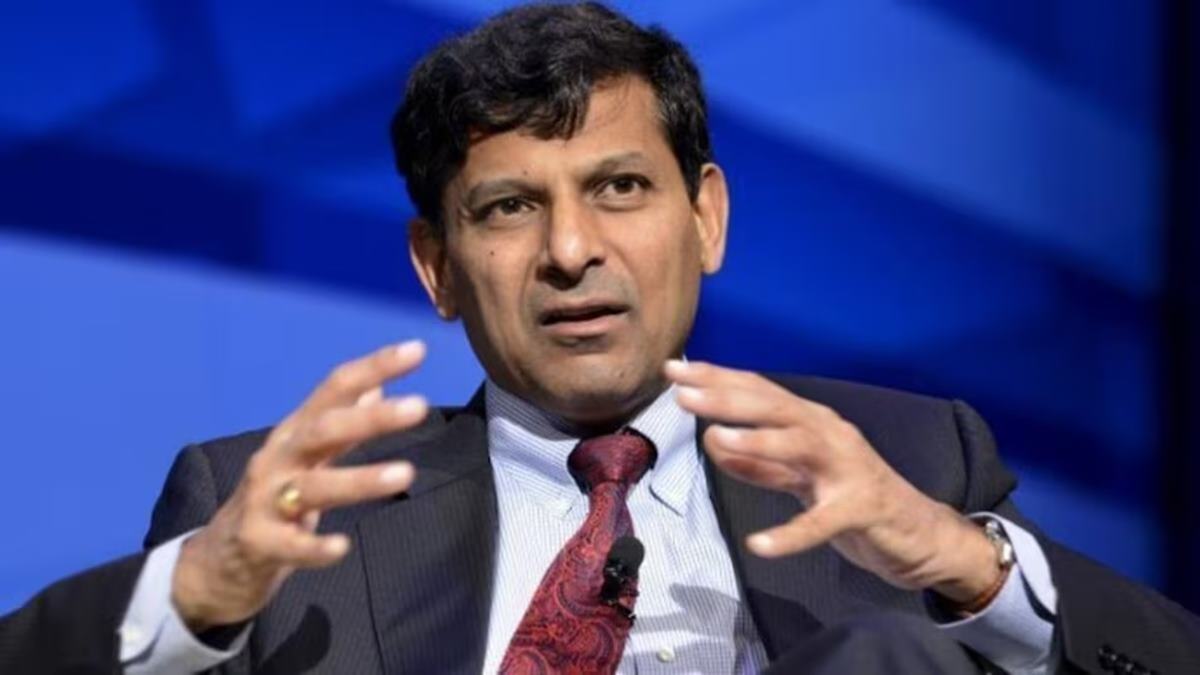
A post by entrepreneur Dr Yashawant Kumar has started a wide discussion online after he claimed that food served in many corporate cafeterias may be slowly harming employees’ health.
In his LinkedIn post, Kumar argued that people are often taught to avoid roadside food because of hygiene concerns, while office meals are trusted simply because they look clean and professionally prepared.
He explained that although street food may sometimes cause short-term stomach issues, daily consumption of unhealthy office meals could lead to much bigger health problems over time. Comparing pani puri with cafeteria lunches, he wrote, “Here is what we are not thinking about. The pani puri might give you a stomach upset for 2 days. The office lunch is giving you metabolic disease for 20 years.”
He Points At Common Cafeteria Meals
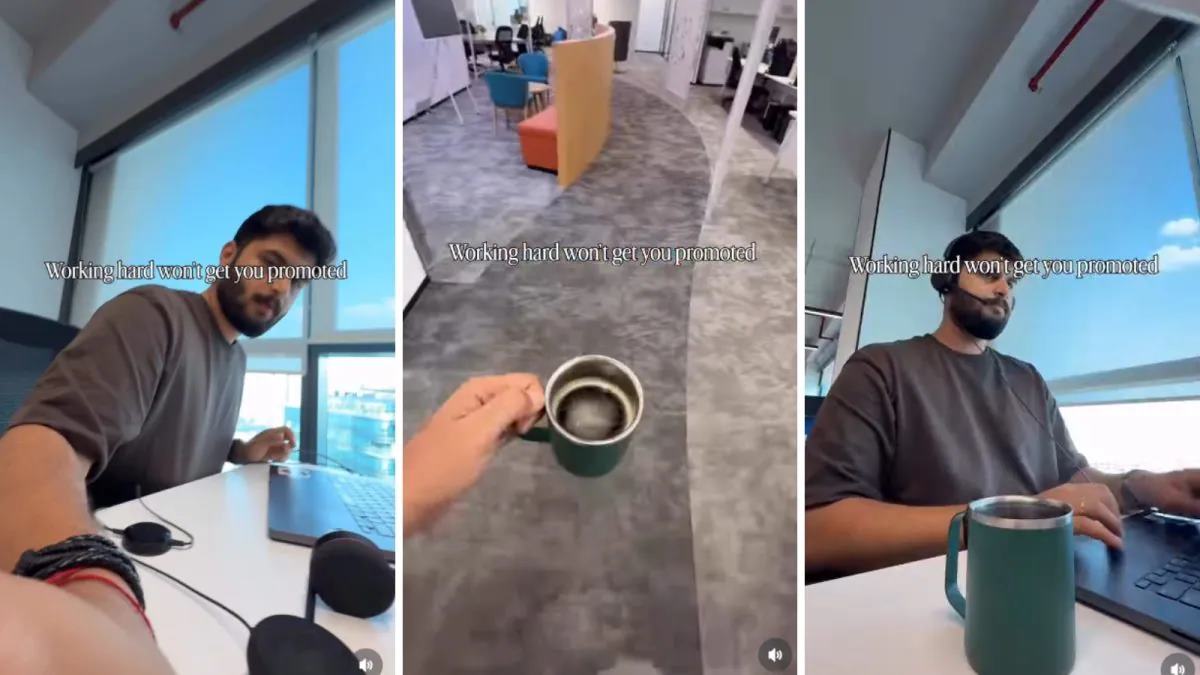
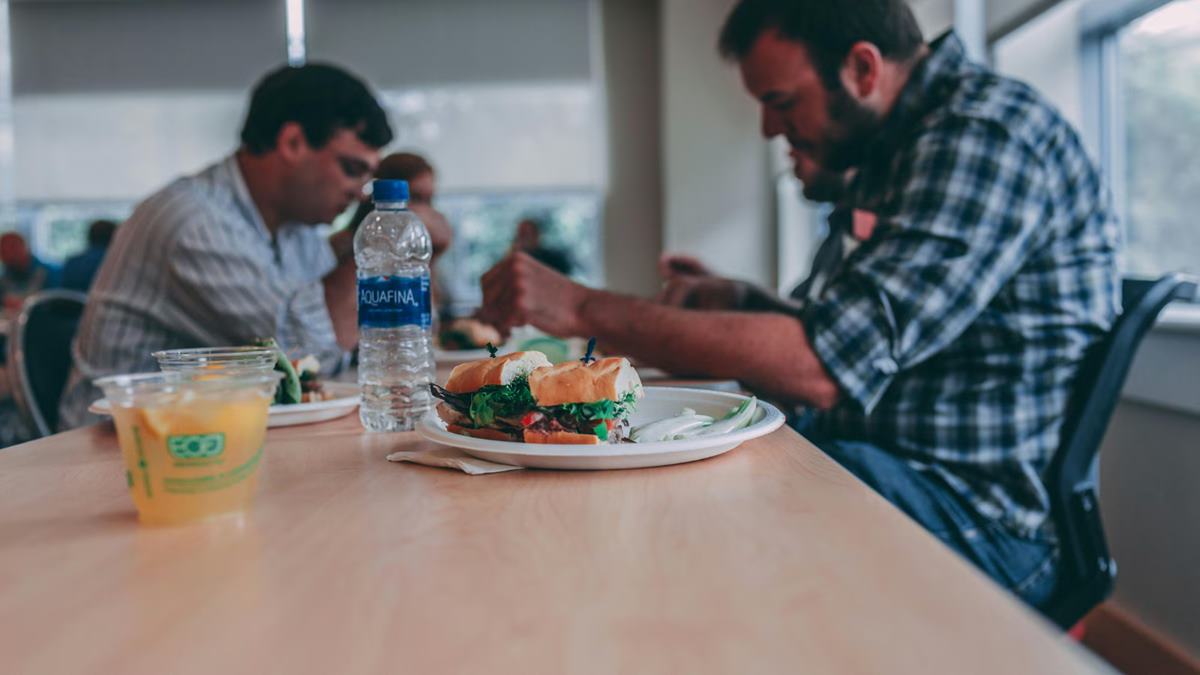
Kumar described what he believes is a typical corporate lunch, refined white rice with very little fibre, oily vegetables, overcooked dal and fried snacks. According to him, these meals are often eaten quickly at office desks while employees continue working, without proper breaks or mindful eating habits.
He said the issue is not just about occasional unhealthy food but about repeating the same eating pattern every day for years. Kumar warned that this could slowly increase the risk of diseases like Type 2 diabetes, hypertension and fatty liver disease, even if the effects are not immediately visible.
The entrepreneur also questioned how companies spend heavily on wellness programmes and health insurance while continuing to serve unhealthy cafeteria food to workers.
“Indian companies spend crores every year on health insurance for diseases they are quietly manufacturing in their own cafeterias,” the post adds.
Social Media Users Share Mixed Opinions
Kumar also suggested that companies should offer at least one healthy and affordable meal option in every office canteen. He stressed that healthier meals should not be treated as symbolic salads or diet food, but as filling meals employees would genuinely choose.
His post quickly grabbed attention online, with many professionals agreeing that office food and rushed work schedules are affecting employee health. Several users also shared their own experiences of skipping meals, eating quickly between meetings and relying on oily cafeteria food during long workdays.
A user wrote, “We pile out plates high for taste, chasing variety as if more choices will somehow satisfy us –rarely pausing to ask what truly nourishes us. In doing so, we mirror a deeper pattern of life: trying to fill ourselves with more, yet overlooking what actual sustains us.”
Another wrote, “You talked about a kind of ‘social vaccine’. Disciplined efforts towards the food ecosystem can be built around food hygiene even without compromising on dietary diversity.” The user also added, “It’s not the matter of Pani Puri, chat or Biryani, rather it’s a matter of accepting prevention is always less expensive than cure.”
“It’s less about the food and more about the culture that makes people delay or skip lunch. A small shift in meeting scheduling and workload planning can make a big difference,” a person commented.
“Agreed! Corporate wellness starts with cafeteria food, not webinars. Daily food environments shape long-term health more than people realize,” someone said.