










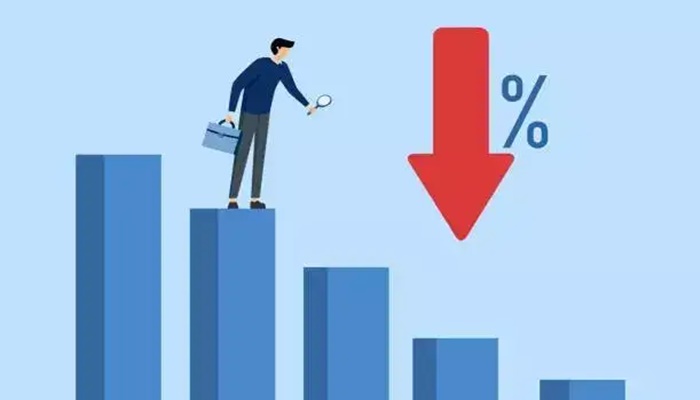

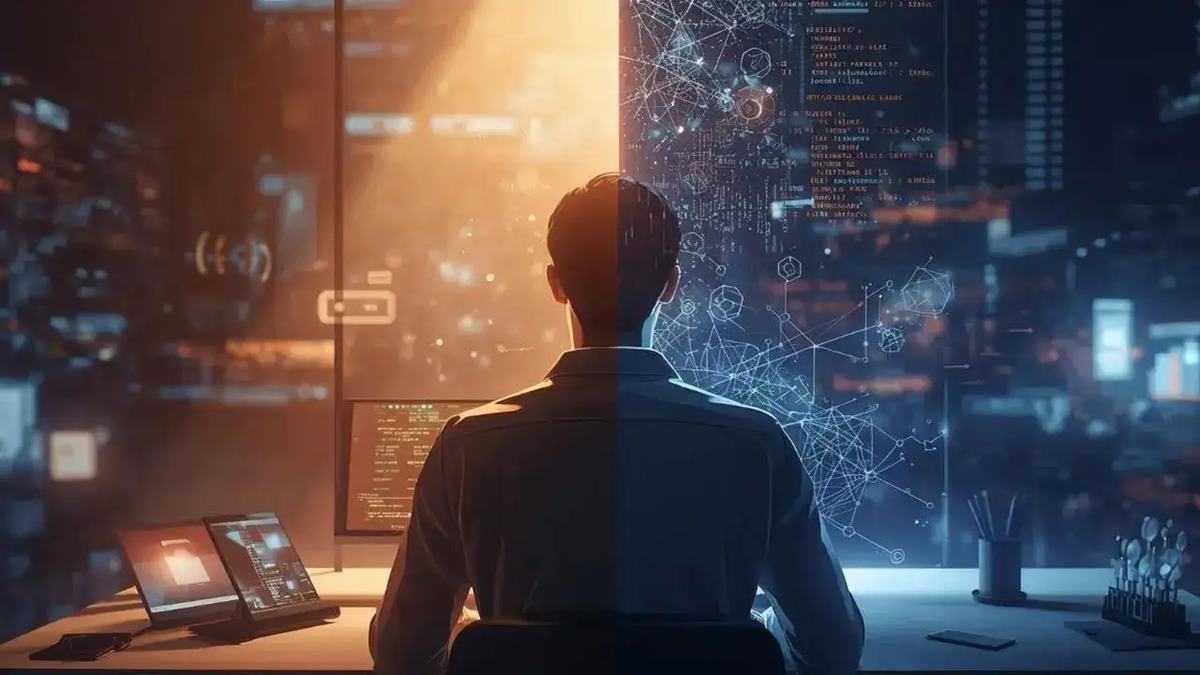
Microsoft dropped an AI bomb recently — a list of 40 jobs it believes are at risk of losing their relevance to AI disruption. Big Tech’s CEO Satya Nadella himself said, “AI is going to take a lot of jobs this year,” and suddenly everyone is holding their breath, scanning headlines, wondering if their job is on the danger line.
The Microsoft study analysed 200,000+ Copilot interactions, broke down tasks, and ranked roles by how “AI-apparent” they are.
Language-heavy, analysis-driven professions scored highest. Writers. Teachers. Analysts. Translators. Call centre reps.
The internet interpreted it one way: AI is coming for your chair.
But here’s what the Microsoft list missed or conveniently ignored: Work isn’t just about completing tasks. It’s little more than — a human touch. You can automate jobs. You cannot automate humanity. And that’s where the story shifts. When you look closely at these 40 ‘at-risk’ jobs, what stands out is not how replaceable they are, but how deeply human they are at their core.
Let’s walk through them — one by one, like real people and not bullet points.
1. Interpreters & Translators
Imagine a UN negotiation table. One sentence misinterpreted, one jibe softened too much, one metaphor lost and suddenly diplomacy cracks.
AI translates words. Humans translate intent, culture, insult, humour, the unspoken ache behind language. Interpreters and translators do much more than swap words between languages — they interpret culture, slang, emotion and context.
Diplomatic talks and live events depend as much on tone as on words. AI may translate text, but humans translate meaning.
2. Historians
History is not Wikipedia pages stitched together, it has motives, biases, and human failures.
A historian looks at a dusty record and asks why was this written? Who benefited? Who was silenced? Historians don’t just compile facts. They interpret context, understand sources’ biases and bring moral judgement to narratives.
AI retrieves data. Humans question it.
3. Passenger Attendant
A shaking aircraft, a crying child, a nervous flyer gripping their seat. The hostess kneels down, smiles warmly and says, ‘You’re safe. Breathe with me.’
AI can make announcements. It is unable to steady a trembling hand. During mid-air crisis, which is beyond human control, human empathy matters more than recorded instructions.
4. Sales Representatives
Deals don’t close because the product is brilliant but because the person selling it makes you believe in it. AI can pitch product features, but people buy from people they trust. Effective sales reps read hesitation, adapt in real time and build rapport — skills rooted in emotional intelligence, not algorithms.
A raised eyebrow, a well-timed joke, a pause that says “I understand your concern.”
AI can pitch. Humans persuade.
5. Writers & Authors
AI can generate text, but storytelling deeply human and personal arises from lived experience. Writers and authors inject voice, nuance, emotion and imagination into every page — things a machine cannot feel. AI writes neatly. Humans write deeply.
6. Customer Service Representatives
Customer service isn’t only about problem-solving, it’s about understanding frustration, showing patience, and calming emotions. AI can follow scripts, but humans navigate the messy middle ground of feelings and conflict.
7. CNC Tool Programmers
CNC tool programmers do more than write code they troubleshoot, anticipate problems and optimise systems in real-world environments. Machines themselves sometimes ‘talk back’, and only experienced humans can interpret those signals.
AI knows blueprints. Humans know machinery like old friends.
AI writes neatly. Humans write deeply.
Telephone operators understand urgency, nuance and human hesitation —– qualities AI often misreads. When someone calls in distress, they want a compassionate voice, not a robotic one with standard answer.
AI routes calls. Humans rescue moments.
9. Ticket & Travel Clerks
Weather shuts down flights, queues grow restless, and tempers flare. Recent being the IndiGo fiasco if it wasn’t for the on-ground staff, things would have been far more messy for the airline. A clerk negotiates alternatives, consoles families, fixes chaos.
AI books and cancels tickets. Humans manage crises.
10. Radio Hosts / RJs
Listeners tune in not for music — but for the laughs between songs, the stories, relatable jokes and, maybe a bit more fumbling. AI can speak flawlessly, but flawless is boring, and unengaging. Humans connect. AI only broadcasts.
11. Brokerage Clerks
Markets are mayhem — unpredictable, emotional. A human clerk recognises panic in a voice and says, “Wait. Think.”
AI counts risk. Humans feel it.
12. Farm & Home Management Educators
In a field under the sun, a farmer says, “Rain is late again.” An educator suggests what no dataset knows — because they’ve walked those same fields. AI gives general advice. Humans give local wisdom.
13. Telemarketers
Most calls end abruptly, unless someone charming holds attention. A good telemarketer senses hesitation, switches tone, tells a story. AI reads scripts. Humans read emotions.
14. Concierges
A guest arrives angry after a delayed check-in. The concierge listens, apologises, fixes it and adds a thoughtful upgrade. Frustration melts into gratitude. Loyalty forms not from deals or systems, but from feeling genuinely cared for.
We can automate processes, never warmth. Hotels run on hospitality. Hospitality runs from the heart.
15. Political Scientists
Politics isn’t just tactics and numbers — it’s emotion disguised as strategy. It’s reading pain points of a society, understanding anger, hope, and identity. It’s knowing why crowds cheer or why they revolt, what symbols move them, and what failures scar them. AI can analyse patterns, predict swings, and crunch sentiment. But humans feel the pulse. AI sees data points. Humans see people.
16. Journalists & Reporters
A bot can process information, summarise reports, and even scan archives in second, but it can’t feel fear when stepping into a protest, question power face-to-face, or recognise a trembling voice that signals something deeper.
Journalism lives in fieldwork, instinct, confrontation and courage — in humans who chase truth even when it’s risky, inconvenient or dark. AI can support the craft, not replace the heart and soul that drives it.
Journalism is courage, curiosity and confrontation. No AI can do that.
17. Mathematicians
Breakthroughs don’t always follow logic , sometimes they arrive as a sudden intuition, a wild hunch that sparks a new theorem. AI can solve equations, optimise outcomes, recognise patterns. But it cannot invent the equation from thin air.
It needs a human to ask the impossible first. We imagine, AI computes, that’s the difference. AI solves. Humans imagine.
18. Technical writers / manual creators
A great manual doesn’t just tell you what to do, it anticipates where you’ll get stuck, what you’ll misread, and where you’ll panic. That comes from having been confused once, like every other user. AI can explain features, list steps, reorganise text. But it doesn’t know the knot-in-the-stomach feeling of “I’m lost” and the relief of “oh, that makes sense now”.
Humans design clarity for humans because we’ve lived the confusion. AI explains. Writers empathise and that’s what makes a manual feel like a friend, not a PDF.
19. Proofreaders
Yes, AI can catch spelling slips, missing commas and clunky grammar. But will it hear that a sentence is technically correct yet emotionally off? That a joke lands as insensitive, or that a “firm” line reads as cruel? Language isn’t just rules; it’s rhythm, subtext, culture, and timing.
A good proofreader hears when a paragraph is out of tune, when a word has been out of context or when a connotation is just not fitting in well with the approach towards the story — humour misplaced, tone too harsh, or pace dragging.
Proofreading isn’t only a function of error-spotting; it’s a feel for how words land on real people.
20. Hosts / Hostesses
A host doesn’t just say “Good evening” — they notice the heavy shoulders, tired eyes, awkward silence. They know when to keep it light, when to offer help, when to simply step aside.
AI can trigger a standard greeting, remember your name, and even personalise a script. But it doesn’t feel the tension of a bad day or the warmth needed to soften it.
Humans read micro-expressions, energy, and mood, and adapt in real time.
21. Editors
Editors don’t just fix sentences, they shape thinking. They push a writer to dig deeper, question assumptions, and choose angles. They know when a draft is safe, when it needs courage or beyond-the-book thinking, when clarity hides beneath clutter. AI can tidy prose, flag clichés, improve grammar but it cannot mentor doubt, nurture a voice, or say,
“This has heart, now make it bolder.” Editing is dialogue, critique, and trust. It’s human judgement meeting human creativity. That role isn’t replaceable — only supported.
AI corrects text. Editors grow voices.
22. Business Professors
Students remember lessons woven with stories — the professor who failed twice before succeeding, the risk that almost cost him/her career, the boardroom battle that grounded him/her.
Such wisdom carries emotion, context, lived experience.
AI can deliver lectures, summarise concepts, generate quizzes. But it has nothing share that helps you shape, no personal journey to inspire. Machines can teach with already fed information; humans teach perspective. That’s why mentorship needs people not processors.
23. PR Specialists
One insensitive line can ignite a controversy. A PR expert rewrites, reframes, repositions not for SEO, but for society’s emotion for conveying the right message to the targeted audience.
24. Product Promoters
Standing in a mall, demo-ing a blender isn’t about specs — it’s about energy. It’s the excitement in your voice when you say, “I use this at home, it crushed ice in seconds!” It’s the smell of fresh juice offered as a sample, the eye contact, the smile.
Features inform, but enthusiasm sells. AI can display products and list feature. But only a human can spark want — the emotional push that makes someone say, “I’ll take it.”
25. Advertising Sales Agents
Deals happen after trust, sometimes over ‘chai’ or sometimes over ‘charcha’, and sometimes over a shared joke. Sales is chemistry, gut instinct and long-term relationships. AI presents data. Humans seal the deal with a final handshake.
26. New Accounts Clerks
Something about a document feels “off.” A clerk notices instantly. Instinct stops fraud where automation might fail. AI validates forms. Humans detect deceit.
27. Statistical Assistants
Numbers mislead without context. A human analyst sees an odd spike, a mismatch in story versus statistics, and asks, “What’s behind this?” Doubt is their tool — curiosity their filter.
AI calculates beautifully, but it doesn’t suspect, question intent, or smell manipulation. Statistical assistants aren’t just number-readers — they are truth-finders.
28. Counter and Rental Clerks
A customer angry over a car dent doesn’t need policy — they need patience. A clerk negotiates, diffuses, manages. AI manages records. Humans manage moods.
29. Data Scientists
Data is just noise until someone chooses what to measure, what to compare and why it matters. AI can scan thousands of variables and surface patterns, but it cannot choose the purpose, stakes or ethical frame.
Analysis is mechanical; critical thinking is moral, contextual and deeply human.
30. Financial Advisors
Money decisions come with fear and dreams. People need someone who can look them in the eye and say, “Trust me, it’ll work out.” AI may predict returns, but when there’s a loss — even if just to vent — who will you turn to? AI advises. Humans hold hands.
31. Archivists
History isn’t just stored — it’s chosen, written by mortals. Archivists sift through time, judge relevance, preserve what shaped us and let go of what didn’t. AI can store everything, but memory needs meaning — and that’s human.
32. Economics Professors
Economics is all about debates, disagreements, and decisive, self-lived risks. From professors, students learn judgement, not just theories.
33. Web Developers
Code can fix errors, automate tasks and build systems — but only humans define the need, feel user frustration and make aesthetic choices. Code solves problems, but humans decide what problem to solve. User empathy, aesthetic choices, debugging intuition are human.
34. Management Analysts
Corporate issues are rarely technical — they’re emotional. Resistance, ego, morale need human navigators. AI recommends plans. Humans make them work.
35. Geographers
A map doesn’t tell you why villagers live near a river despite floods. Field visits, human stories explain what data never will. AI charts maps. Geographers understand lives — and the challenges around them.
36. Models
Beauty isn’t geometry — it’s presence, personality, and aura. When a model walks, they tell a story through posture and eyes. AI can design faces. Humans create connection, relatability and even a little faux pas that makes them real.
37. Market Research Analysts
Why people prefer one brand over another often has nothing to do with logic. It’s nostalgia, peer pressure, insecurity– things humans decode subtly. AI predicts what. Humans know why — and how that ‘why’ can be turned into, “Okay, let’s try.”
38. Public Safety Telecommunicators
When someone whispers “help me,” fear in their voice says more than words. A human operator picks up urgency instantly and acts, deciding priority. AI answers calls. Humans save lives.
39. Switchboard Operators
Sometimes a delay, a pause, or a trembling voice reveals more than a message. Operators sense urgency, discretion, and provide human mediation. AI routes. Humans handle nuance.
40. Library Science Professors
Library science professors do more than teach catalogues and databases — they spark curiosity, guide exploration, and show students how to question sources and context. AI retrieves information. Humans ignite learning and wonder.
AI sure is powerful and is getting further nuanced. But humans? We are irreplaceable where emotion lives. Microsoft’s list is a warning — not of extinction, but of evolution, and a wake-up call for all to evolve and use AI to enrich the experience.
AI will automate tasks but humans will remain where empathy, ethics, creativity and courage sit.
About the list, No, Jobs won’t vanish, they will transform.
And the secret is simple: AI may handle work. Humans handle meaning.