











The job market for young graduates in the US is getting tougher, with fewer entry-level openings and longer job searches. According to a recent Guardian report, the underemployment rate has now climbed to 42.5%, the highest since 2020, posing new challenges for fresh graduates to find work in their field.
Students and recent graduates interviewed by the outlet said the problem is not just fewer jobs, but also changing hiring rules, the growing use of AI in recruitment, and employers expecting more experience even for beginner roles.
‘Every weekend I apply, and still get rejected’
Across the country, graduates are reporting that it is taking longer to land even basic roles. Many say they are applying to dozens of jobs but hearing back from very few employers.
Speaking to The Guardian, Gillian Frost, a 22-year-old student at Smith College in Massachusetts, said she has been searching for work since last September. She is studying quantitative economics with a minor in government and is set to graduate in May. Describing how exhausting the process has become, she said, “Every weekend, I dedicate over two hours to job applications. As of today, I’ve applied to over 90 jobs. I’ve been ghosted by nearly 25% of them and rejected automatically from around 55%,” she said.
Even when she gets interviews, she says communication often stops suddenly. “I’ve gotten around 10 interviews, but many of them don’t even bother to tell you you’re not a good fit … I feel helpless. No one seems to know how best to prepare due to the unique conflux of events occurring. How do you prepare for a tight labour market coinciding with the emergence of AI and direct US involvement in war? Most generations have dealt with maybe one of these, but our generation is the first to deal with all three.”
Even older graduates with prior work experience and additional qualifications are also struggling to find jobs, showing that the issue is not limited to freshers. After returning to education in hopes of improving career prospects, one job seeker said the transition back into the job market has been unexpectedly difficult. According to him, employers are often very specific about requirements and show little willingness to train candidates with transferable experience.
Entry-level jobs asking for experience
Many young graduates say finding work has become harder, not just because there are fewer openings, but because expectations have changed dramatically. Entry-level roles now often demand several years of experience, while hiring systems are becoming more automated and harder to navigate, leaving many applicants frustrated and discouraged.
One graduate said many roles that are advertised as entry-level are already out of reach before the application even begins. “Decent-paying jobs that are listed as entry-level will often ask for candidates with three to five years of experience – an amount of time that simply cannot be achieved if one is fresh out of college,” the graduate told The Guardian. “Most job descriptions make me feel so un- or under-qualified, I won’t even bother applying since I don’t have years of experience to draw from.”
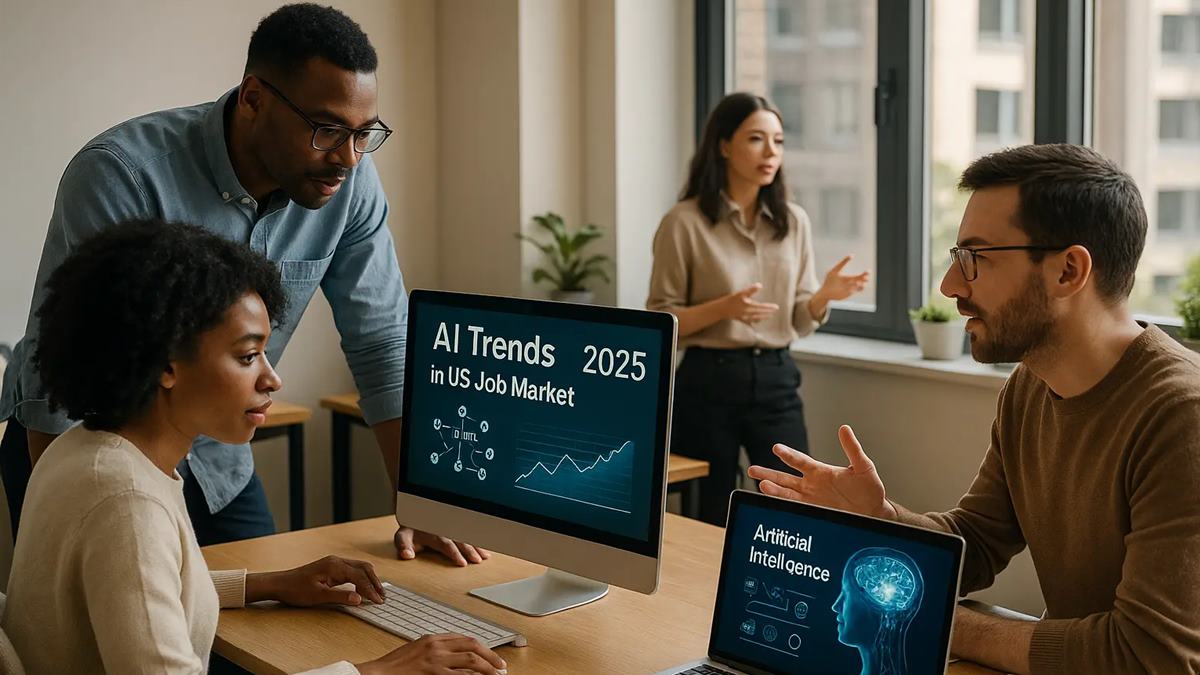
They also described the growing role of automated hiring systems and AI in recruitment, which has added another layer of difficulty.
Another graduate, despite completing multiple internships and gaining experience, said breaking into the job market still feels out of reach. She applies through platforms like LinkedIn, Handshake, and FlexJobs, as well as directly through company websites, but says many roles never even reach public listings. Even with strong academic and professional experience, she is still struggling to secure a position.
Is AI really behind the weak job market for young graduates?
According to the Atlantic, unemployment among recent college graduates has climbed to around 6 percent, the highest level in more than a decade if you leave out the 2020 pandemic spike. At the same time, the overall unemployment rate in the US is still around 4 percent.
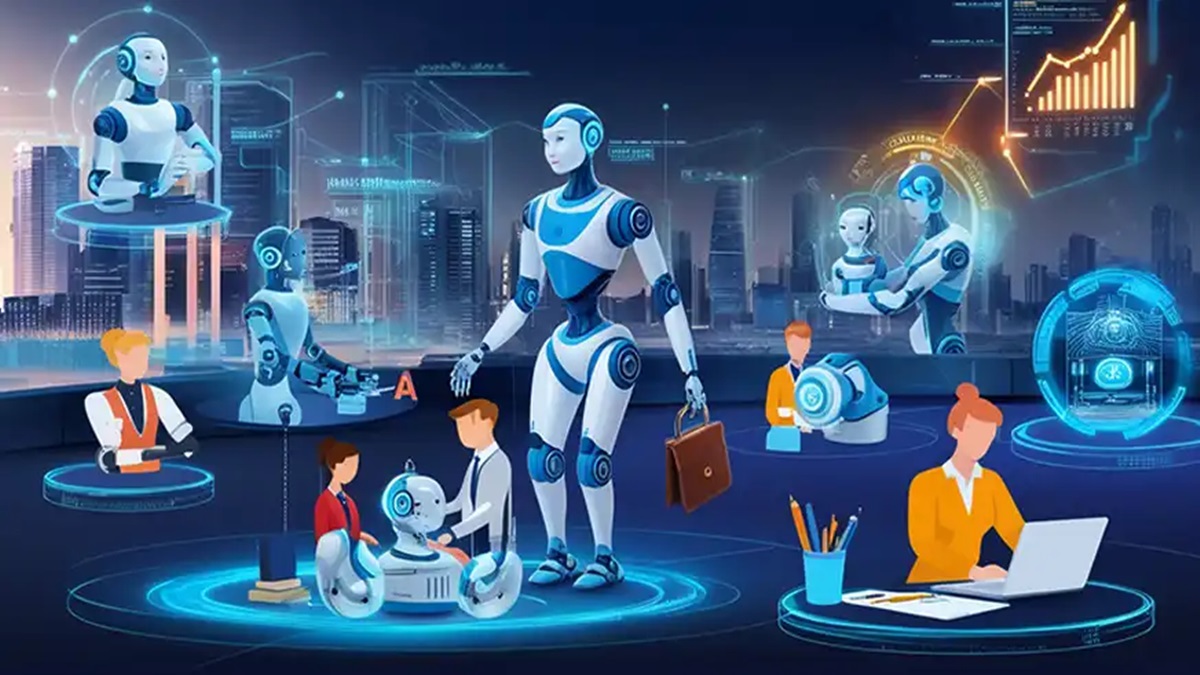
Because of this gap, many believe AI is hitting entry-level white-collar jobs the hardest. Some even believe AI is already replacing young professionals before they get a chance to start their careers.
However, unemployment numbers do not always show the full picture. Official statistics only count someone as “unemployed” if they have actively looked for work in the last four weeks. People who stop searching are removed from the count, even if they still want a job.
This creates blind spots, especially among young workers who get discouraged and give up searching. According to the Atlantic report, even though college graduates are still doing slightly better than non-graduates, that gap has been shrinking for years. The decline started long before ChatGPT existed, which suggests the problem is not new technology but long-term economic change.
More young people are now earning college degrees than before, which means more competition for the same entry-level roles. At the same time, employers are no longer requiring a degree for many jobs that once demanded one.
Experts describe this as a “big freeze” in hiring, which began around 2022. At first, it was linked to companies holding onto workers after the pandemic period of rapid job changes. But the slowdown has continued much longer than expected.
A major reason now appears to be uncertainty. Companies are unsure about where the economy is heading, including fears about recession, inflation, political changes, and global instability. When the future feels unclear, businesses delay hiring, expansion, and new investments.