


















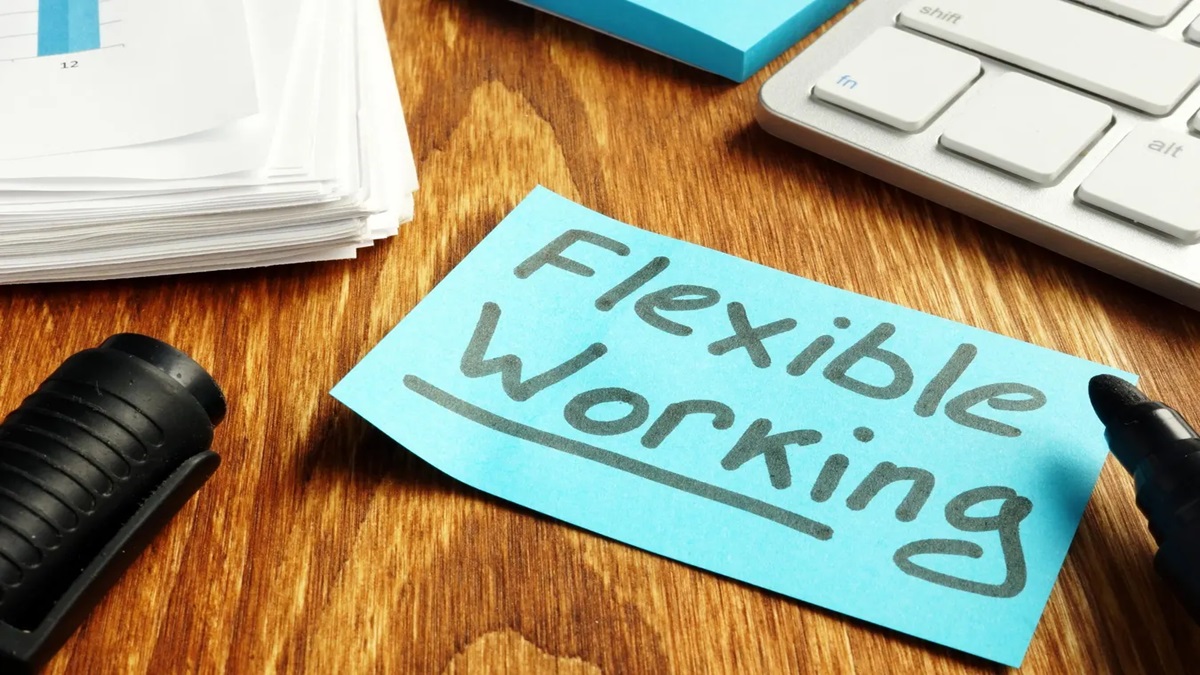


As organisations continue to refine their hybrid working models, the focus needs to shift from flexibility as a benefit to flexibility as a foundation for sustainable performance and employee wellbeing.
Here, Max Moen, Head of People and Culture at Haypp, shares how hybrid working can support employee wellbeing and improve performance when it is designed intentionally and supported by strong leadership.
Supporting employee well-being during high-pressure and low-energy periods
Hybrid working can support wellbeing by giving people flexibility to manage energy, not just time. During low-energy periods such as late winter, that flexibility becomes especially important. However, flexibility alone is not enough. Connection plays a critical role in maintaining well-being when energy levels are low. This is why time spent together in the office still matters. Shared presence helps build relationships, create momentum and reduce feelings of isolation, which can increase during quieter or more demanding periods.
Treating hybrid work as a culture, not a policy
One of the most common mistakes organisations make is treating hybrid working as a policy rather than a culture. Without clear expectations, hybrid models can unintentionally increase stress, blur boundaries and create pressure to be constantly available. Flexibility only works when it is intentional, clearly communicated and supported by leaders who set the tone for what flexible work means for the organisation.
Supporting wellbeing in hybrid teams
Managing hybrid teams requires a shift away from measuring performance through visibility and towards trust, clear communication, and measuring outcomes. Managers need to prioritise frequent check-ins, clear goals and realistic workloads. Supporting wellbeing in hybrid environments depends on establishing a shared understanding of expectations and priorities, and leaders who actively role-model healthy boundaries.
Recognising that hybrid working does not work the same for everyone
Hybrid working does not improve wellbeing in the same way for everyone. Its impact varies depending on a person’s role, life stage and experience. This is why structured flexibility is essential. Clear expectations provide stability, while room for individual needs allows people to work in a way that best supports their wellbeing and enables performance.
What HR leaders should rethink about hybrid work in 2026
Looking ahead, HR leaders should spend less time focusing on where people work and more time focusing on how work is designed. Expecting constant availability of employees is a recipe for burnout and will not improve performance. Fewer low-value meetings, realistic workloads, and shared expectations are the key. A focus on sustainable performance over the long term, rather than measuring availability or time in office, will help ensure business objectives are achieved while supporting employee wellbeing.
Source – https://hrnews.co.uk/expert-explains-why-hybrid-working-must-be-led-as-a-culture-not-a-policy/