



















Ronit Thakur, founder of Be Rolling Media, recently sparked an online discussion on work culture and accountability. He shared a real incident from his office involving a new employee who stopped coming to the workplace just two days after joining due to a “personal issue.”
The company allowed the employee to continue working from home, and initially, everything functioned smoothly. However, the situation took a turn when a deadline issue arose. A video scheduled to go live shortly after office hours was delayed because the employee was unavailable at that critical time.
Ronit Thakur added that the delay was only around 15–20 minutes, but the team had to step in quickly to manage the situation. The following day, he spoke with the employee about the importance of responsibility and staying reachable during urgent tasks.
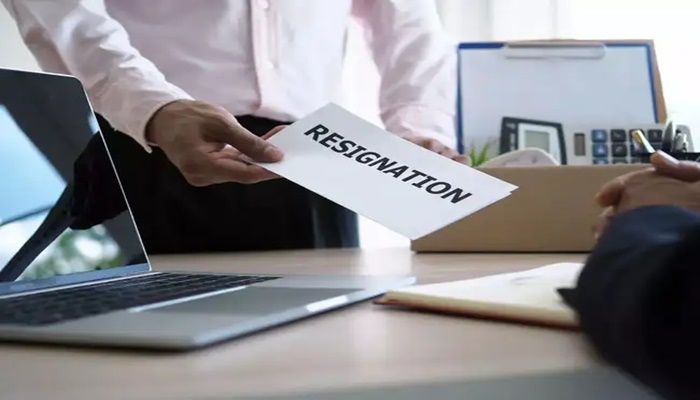
However, the conversation did not go as expected. The employee felt upset and eventually resigned, stating that their expectations did not align with the company’s. The entrepreneur concluded by sharing his key takeaway from the experience, emphasising the importance of the right attitude and accountability in the workplace.
Missed Deadline Creates Office Stress
Taking to Instagram, Ronit Thakur explained, “One of the employees resigned, and that person had joined us like 15 to 20 days back, and they came for two days. Then they said they had like a very big personal emergency, and we allowed them to work from home. So they weren’t in the office, but they were working from home. That person was doing fine, like they were being paid well. Then we started working, everything was going fine, and the day before yesterday, there was one video that had to go out, and that was usually 15-20 minutes, post working hours on people, and that person wasn’t available at all.”
“So we figured something out, and that video eventually got delayed. Then the next day I had a meeting with them, and I told them that you have to be there and you have to hold the accountability. It’s not like if the work hours are done or anything, some things have to go out urgently. It’s not like I don’t believe in work-life balance and everything, people in my office are very chill. They are listening to music, they’re sometimes not even working, but they also understand that if some things have to go out, you have to be very accountable for that work, and accountability is the key here,” the startup founder added.
He said that he expects everyone in the team, even interns, to take responsibility for their work, and he had clearly explained this to the employee. Later that day, the employee did not take the conversation well and got offended. Soon after, the person decided to quit the job, saying that what the company expected did not match what they were looking for.
Following the incident, Ronit Thakur said he learned two things: “One, while hiring, I think beyond skills and knowledge, the attitude of the person should be culturally fit. Because the kind of culture I have tried to make, even in the limited 15-16 people, I have is around owning that accountability, and you do your kind of stuff. Secondly, I think accountability is something that is very important if you want to. Grow in your career.”
Users Question the Idea Of Always Being Available
Reacting to the post, a user wrote, “Revisit what you truly mean by accountability and what, in its name, you’ve actually placed on his plate. I’d prefer not to share full details here, but I also resigned from Deloitte, (1) from an Associate Director role, (2) in a position I secured after a 4-month career break, and (3) due to a strict 3-month notice period. I resigned without another offer in hand, and eventually found an opportunity with one of the few employers willing to wait out the full 90 days.
I agree on that part. You should be accountable for your work, as if that work has been delegated to you; it is your responsibility to fulfil it. Situations like this add to your personal experience.”
Another shared, “Accountability is about ownership of work, not 24/7 availability to meet an employer’s demands.”
“Skills can’t be taught, either smart people are different, and it’s your fault if an employee has to work beyond time, it’s your planning that was not correct. Think about it,” a comment read.
An individual stated, “I agree that the employee should be accountable for all his work and decisions. But that is only within working hours. The moment the employee logs out, he is not expected to be online for you, even for a minute. (Unless it was discussed beforehand about the urgency of the matter with overtime pay).”
One more shared their own work experience, saying they always took their job very seriously and stayed responsible for every task given to them. They worked in the same company for more than two years and worked long hours to make sure an important client stayed happy. There were times when work stopped if they were on leave, which showed how much the team depended on them.
Over time, they felt that all their extra effort was not really remembered or valued after they left. Even the client once told them that work should not take over life completely, and also pointed out that the company should have backup support instead of depending on just one person.
They agreed with this view and said that if companies expect employees to be available even after work hours for sudden tasks, they should also pay them fairly for that extra effort. They added that such expectations may not be right for someone new, especially if that person has already shown signs of not being fully committed.