


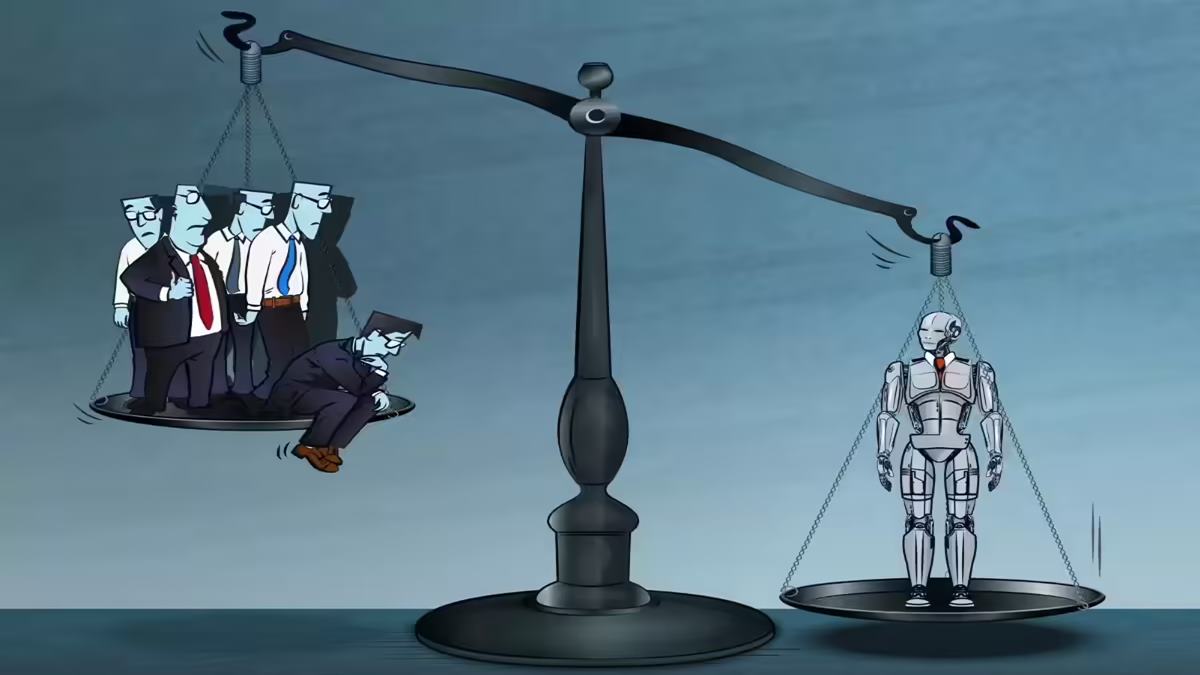




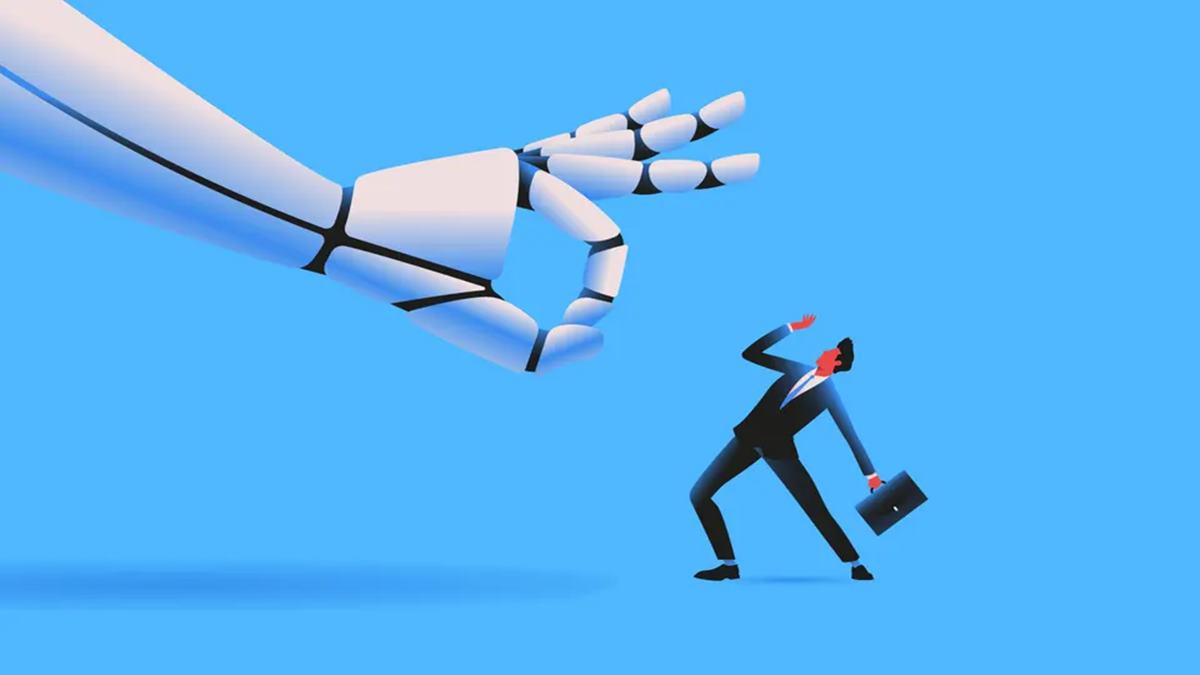

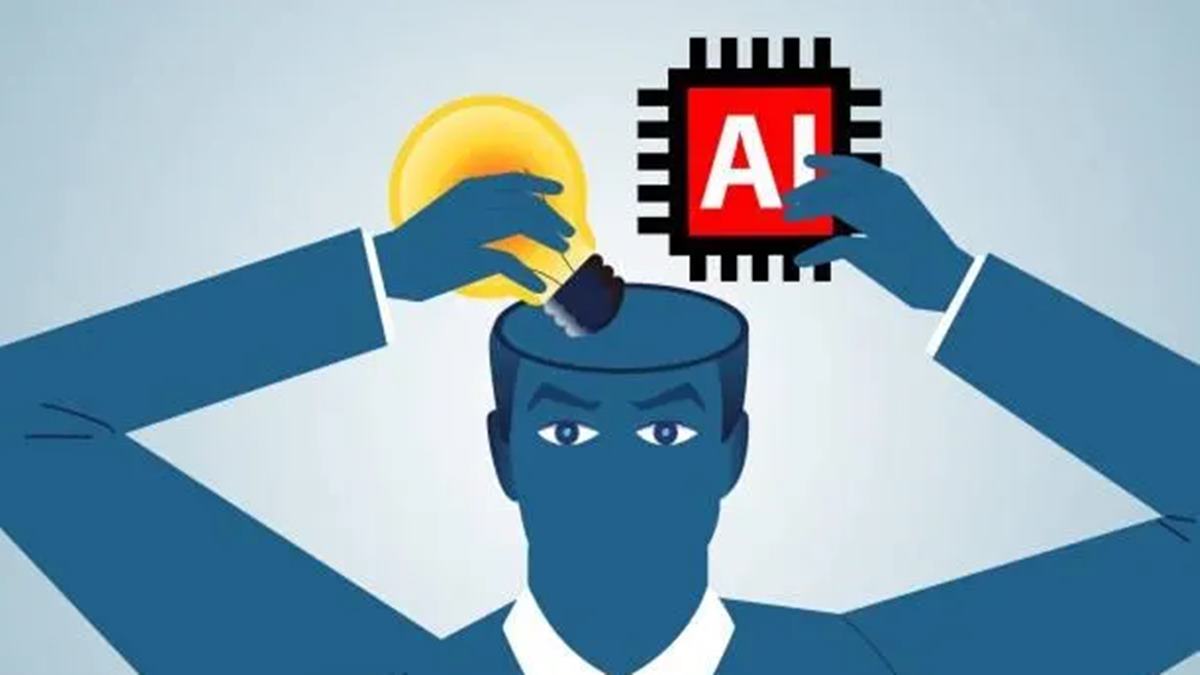
Artificial intelligence has been a boogeyman forever. Before it was even an everyday reality, people were already worried about its ability to take jobs. I remember hearing endless variations on the prediction that most humans would be left out in the cold, with outdated skillsets and no jobs.
As the AI era continues to unfold, what I’m seeing is less of an employment apocalypse and more of a redistribution. As with most major tech revolutions, rather than creating job displacement, AI is creating a more nuanced story, one that centers on redistribution and leverage.
Expanding AI Opportunities
AI isn’t proving to be a job killer. Instead, it’s forcing humanity to turn on the innovation part of our collective conscience more than ever before. Framed in the right way, this is grounds for being hopeful, not scared.
I get why people are afraid, though. There are mass layoffs that are directly (or appear to be directly) connected to AI initiatives all the time. Yet, as the data rolls out, I’m also seeing companies announce more and more roles that involve AI.
Some of these are obvious. I saw a listing for a “Distinguished, Software Engineer – AI/ML Engineer – Agentic Systems” at Walmart the other day. (With a pay range that topped out at $338,000!)
But I’m not just talking about jobs that are AI-specific. Other AI roles are more subtle.
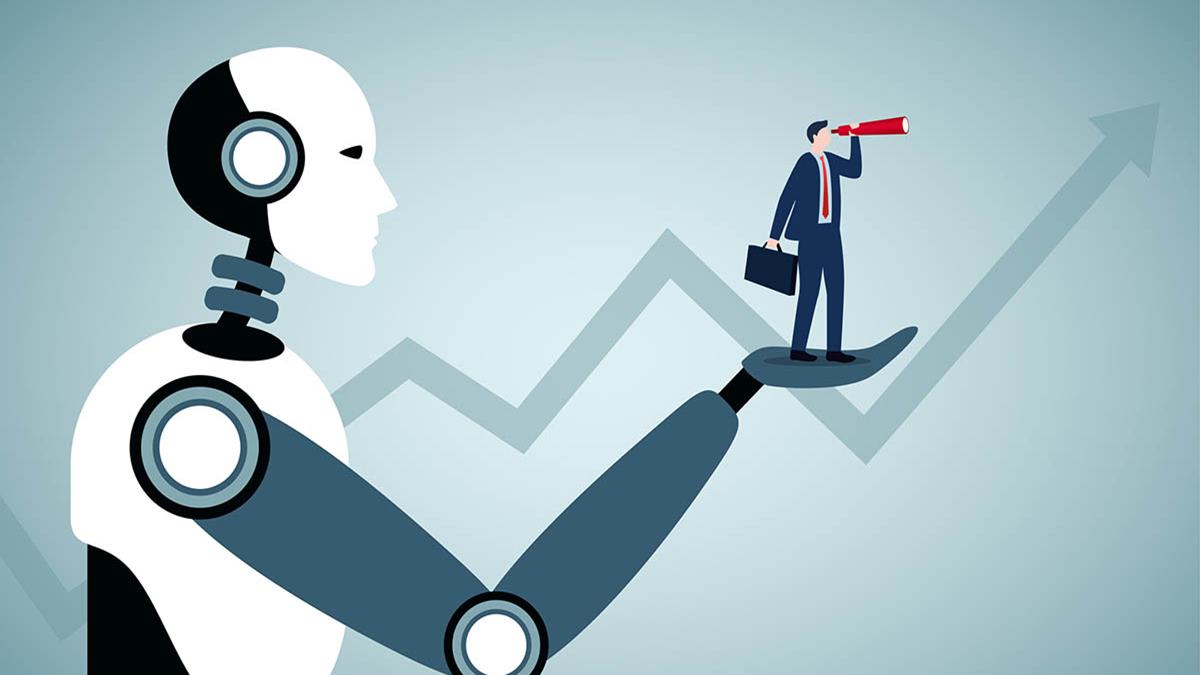
Salesforce, for instance, is pushing for a “human-led, agent-powered” approach to customer success. Note that it isn’t “human-replaced.” People are still at the center of many of these shifts. It’s just that they’re being equipped with new and improved tools to do their jobs better.
Many companies aren’t just slimming down on staff to save on operational expenses, either. They’re looking for ways to bring in more people they can equip with supercharged AI tools to expand and grow. Expect AI-powered growth to follow at an unprecedented level in the near future.
That’s a really important takeaway here. AI may feel like a threat, but that’s more easily perspective than reality. Yes, AI may be replacing certain forms of work, but it is still a traditional technology in the sense that it is also freeing people up to focus on other work. Newer work that has the potential to be bigger and better than before.
Does it require some creativity to find that work? Yes. But that doesn’t change the fact that, viewed through the right lens, it’s an opportunity, not a loss.
Ask any CEO what a valuable modern employee looks like, and they’ll tell you that the focus is rarely on a specific skill set. They want people who can adapt and grow with an organization. People who possess soft skills, like active listening and problem solving, that enable them to stay busy even if their work changes over time.
Is work changing? Absolutely. But while AI removes the need for grunt work, employees often find themselves moving into new positions.
There’s another way AI is flipping the innovation switch, too: entrepreneurship.
From Exiled to Entrepreneur?
In all honesty, many people are out of a job right now. I get it. These technological shakeups don’t play fair. Some people move sideways or even upward into new tech-powered opportunities, while others really do get laid off to make room for incoming technological efficiencies.
But that doesn’t mean those who end up out of work are done for. On the contrary, I’m seeing a lot of these AI exiles turn to an even better alternative: starting their own businesses to generate income streams outside of those traditional employment structures.
Entrepreneurs need to operate with a specific kind of mindset — one that looks for ways to overcome obstacles on the path to achieving success. AI is making it possible for business-minded people to do this at what would have been considered an exceptional rate just a decade ago.
Again, some of what this looks like is fairly obvious. Using a tool like ChatGPT or Claude can help with strategy, leveling playing fields and reducing the time required for things like market research, competitive analysis and writing a business plan.
Other tools are going even further. Durable is marketing itself as the “complete AI business builder” and an “always-on AI business partner.” It can help with invoicing, content, CRM and other business elements for pennies on the dollar compared to a traditional tech stack.
Tools like these are lowering the cost and complexity of starting a business. They’re enabling more people to participate in entrepreneurship with minimal barriers to entry.
We’re talking about previously impossible reductions in the resources required to start up. Time-to-launch is dropping from months to days. People can test business ideas without angel investors or seed money, too.
This doesn’t just help people out of a job fill the gap while they’re looking for new employment. I think it goes further, suggesting that the future of work may be less about finding a job and more about creating one.
Finding Fresh Mojo in the AI “Apocalypse”
AI isn’t about an apocalypse. It’s creating change, yes — and people find that uncomfortable. Of course.
But don’t misunderstand discomfort for danger. Yes, people are losing their jobs or, at the least, having to shift what they do. But there are also countless opportunities opening up for those willing to adapt and innovate as barriers drop, technological capacity explodes and the new AI era continues to unfold.
Don’t let catastrophizing and fear-mongering make you late to the party. Now is the time to use AI to build something great.