












A profound disconnect between employees and corporate leadership is defining the 2026 workplace, according to Glassdoor’s new Worklife Trends 2026 report.
This erosion of trust, fueled by persistent “forever layoffs” and the slow march back to the office, is creating a tense environment even as the direct impact of AI on job satisfaction remains minimal so far.
Employee trust in leaders collapses
Glassdoor data indicate that senior leadership ratings have declined significantly since their pandemic peak, with a slight recovery in 2025.
This lack of confidence is expressed through employee reviews, which show a dramatic increase in negative terms: misalignment at 149% and distrust at 26% are used much more often.
This has been especially sharp in sectors that had a high degree of employee loyalty in the past, like management and consulting, media and communication, and technology.
Employees in these industries have been more demanding, as leaders have been dealing with unpredictable situations, such as creating AI policies and making layoffs.
This erosion of trust is exacerbated by a changing power balance in a job market that is becoming less favorable to employees, leading to a formula for long-term job satisfaction.
‘Forever layoffs’ fuel job insecurity
The nature of corporate layoffs has fundamentally shifted, moving from large, discrete events to a continuous trickle of smaller job cuts, creating a pervasive culture of anxiety.
Data from WARN Act notices show that small layoffs involving fewer than 50 individuals have risen from 38% of all layoffs in 2015 to 51% in 2025, making them the most common type of layoffs.
This “forever layoff” strategy allows companies to reduce headcount without generating major headlines, but it deeply impacts the remaining workforce. As Glassdoor views, “layoffs are on reviewers’ minds, and they are feeling less secure in their jobs.”
This perpetual state of job insecurity is reflected in Glassdoor reviews, where mentions of layoffs and job insecurity in late 2025 were higher than at the start of the pandemic in March 2020.
While companies may see this as a discreet way to manage payroll, employees who are left to take on additional work and wonder if they will be next are not fooled.
The persistent drag of these rolling layoffs is actively damaging worker morale and cultivating cultures of resentment and fear.
Remote careers stall in slow return-to-office
The reentry is not occurring on a mass scale but rather is driven by the diminishing career prospects of remote workers. According to Glassdoor data, the career opportunities rating for remote and hybrid workers decreased by 4.1 points in 2020 and now stands at 3.5 in 2025.
Since employers implicitly or explicitly emphasize face-to-face workers to promote and advance, remote workers are left behind, creating a strong incentive to return to face-to-face work.
Although high-profile return-to-office (RTO) mandates have become newsworthy, they have had little impact on aggregate work-from-home rates.
The actual pressure comes from fear of not being seen, not being heard. Thus, the employees of 2026 are being pushed into a dilemma of flexibility or career progression.
This dynamic ensures that RTO will continue in slow motion, as career-focused workers individually trickle back to the office in response to diminishing opportunities for remote roles.
AI anxiety high, impact still limited
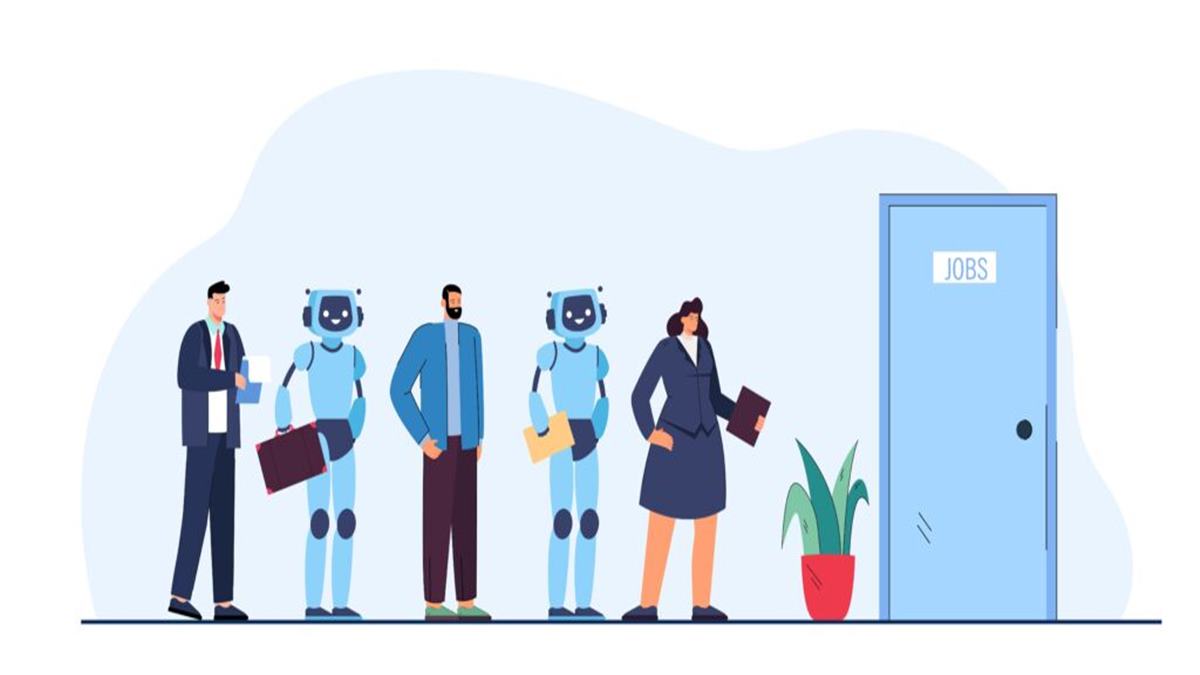
Nevertheless, despite the significant apprehension, the extensive implementation of artificial intelligence (AI) has had a minimal effect on the overall employee satisfaction in the majority of the economy.
There is also an analysis of Glassdoor ratings for occupations with high exposure to AI, which show only a slight loss of 0.02 stars on a 5-point scale since 2022, in contrast with other occupations.
This difference is statistically insignificant but practically significant, suggesting that other factors are even more important in employees’ dissatisfaction at present.
The muted aggregate effect stems from the fact that most businesses are still experimenting with AI and have not yet effectively integrated it into core processes.
However, significant pain is appearing in specific, highly vulnerable occupations; translators, software engineers, and copywriters have seen much larger declines in their career opportunity ratings.
For the vast majority of workers, the feared upheaval from AI has not yet materialized in the data. However, concerns remain high, with about three in five mentions of AI in Glassdoor reviews being negative.
Employers regain hiring power in 2026
Job seekers are displaying diminished bargaining power, with offer refusal rates falling significantly in 2025 as candidates accept roles they might have previously declined. This trend indicates a cooling labor market, with leverage shifting back toward employers.
Meanwhile, new graduates who successfully secure positions are seeing their starting pay outpace inflation, a silver lining for those entering the workforce.
However, this wage growth exists alongside a clear contraction in opportunity, creating a divided reality for early-career professionals.
The convergence of perpetual job cuts, coercive RTO policies, and a cooling labor market is forging a more transactional and insecure future for work, one where corporate strategies for flexibility are actively dismantling the very foundations of long-term employee engagement and trust.
Source – https://news.outsourceaccelerator.com/growing-workplace-trust-crisis/