


















For years, workplace technology has been obsessed with efficiency. Faster processes. Cleaner dashboards. Automated everything. But somewhere along the way, the “human” in Human Resources got pushed to the margins. We built systems that could measure almost everything except how people actually feel.
Humanising technology isn’t the opposite of productivity; it’s the evolution of it. When people feel supported, understood, and connected, organisations don’t just run better… they become better. Humanised tech simply creates the conditions for that to happen.
Design for feelings, not features
Most systems are built around tasks and workflows. But people don’t experience work as tasks; they experience it as emotions. Pressure, excitement, uncertainty, pride, burnout, and belonging.
Humanised technology recognises such emotional states and allows space for them.
It asks questions, such as:
How does this exchange make an employee feel?
Does the system overwhelm or reassure?
Does it help someone feel seen or just monitored?
Instead of adding more features, it adds more understanding. Instead of forcing people to adapt to the system, it allows the system to adapt to people.
Every workplace has invisible friction: that 15-minute hunt for a file, the repeated logins, the unclear approvals, and the cryptic error messages. Individually, they seem small; collectively, they drain focus, confidence, and time.
Humanising technology starts with removing these micro-frictions. When things “just work,” employees feel lighter. They trust the system. They get back time, one of the most meaningful wellbeing benefits a company can offer.
Being productive shouldn’t be a chore.
Put autonomy at the centre
People don’t want more control; they want enough control. They want to navigate their work life like attendance, shifts, leaves, goals, and conversations, without fear of judgment or unnecessary gatekeeping.
Humanising technology means giving people autonomy without making them feel alone. It respects people’s time and dignity by saying: “We trust you to manage your work life, and we’re here if you need help.”
The greatest of these facilitators is, arguably, autonomy supported by clarity.
Amplify the human
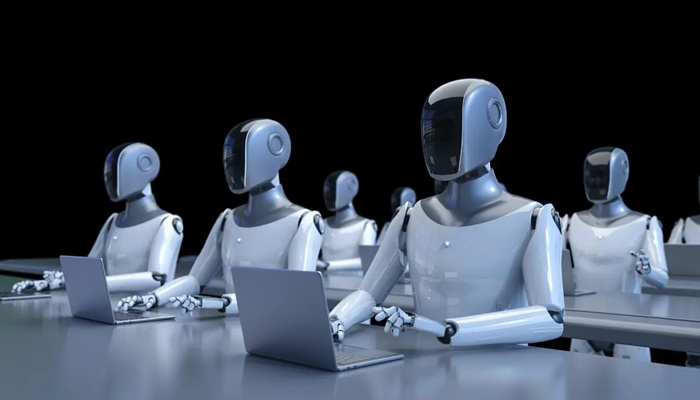
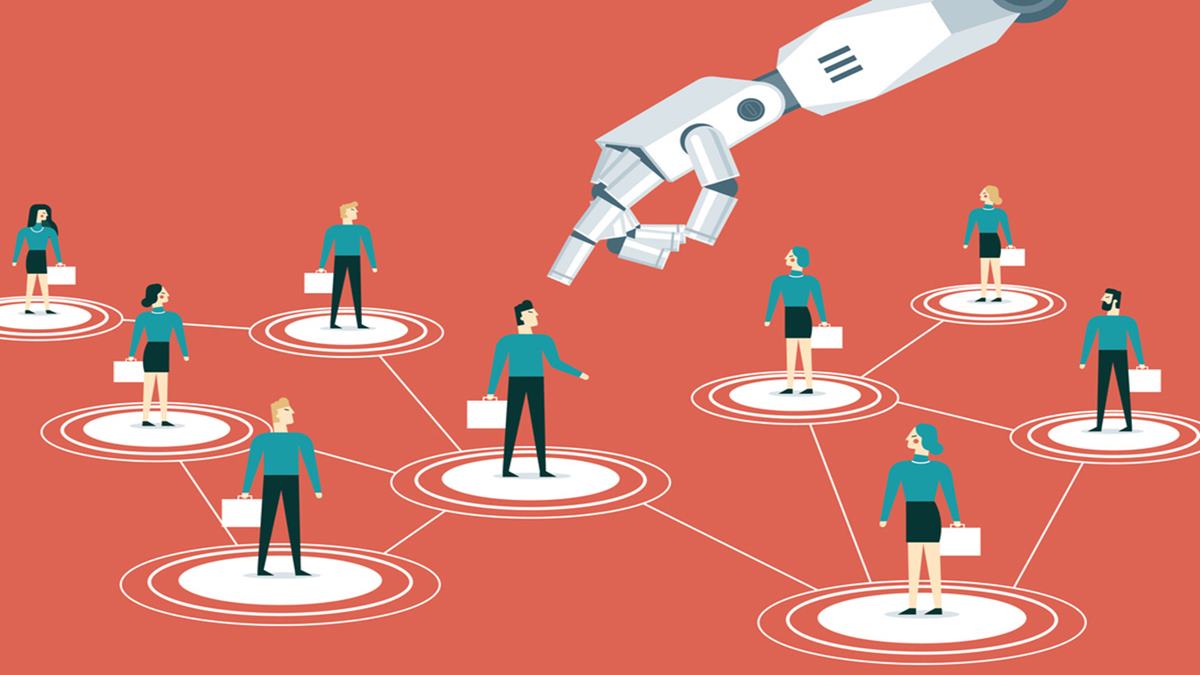
AI is powerful, but people don’t want a robot culture. They want technology that enhances the human relationships that already matter with their managers, teams, and the organisation.
Humanised AI automates repetitive tasks so managers can spend more time on conversations that truly matter. It surfaces insights that foster empathy rather than surveillance, helping leaders understand people rather than merely monitor them. At the same time, it offers gentle nudges towards healthier work routines, supporting balance without introducing additional layers of control.
The goal is not to remove people from the process. It’s to remove the parts of work that stop people from being fully human.
Inclusion as a design principle: Humanising technology means building for everyone, not just the digitally confident. This means accessible interfaces, language people understand, options for every type of worker, including frontline, deskless, remote, and hybrid roles, design centred on the inclusion of differences in ability, context, and comfort, and a mobile-first approach. When people feel included in the system, they feel included in the organisation.
Bring transparency
Nothing inspires trust like clarity. People need to understand what information is collected, why it is collected, how it is used, and how it benefits them. When technology is honest, employees feel safe, and safety is a precursor to every form of wellbeing, mental, emotional, and professional. It transforms technology into a co op, not a black box.
Tech as a wellbeing ecosystem
Humanising technology isn’t about adding a “wellbeing feature”. It’s about designing a workplace ecosystem where technology plays a subtle but powerful role in helping employees feel balanced, valued, and supported. Think of technology as a gentle prod to step back, a simple space asking for help, an easy way to share concerns, a transparent way to track progress, and a constant reminder that the organisation cares.
This is where humanisation truly happens, when technology becomes a part of your support system, not your stress cycle. It’s not a project, in the end, to humanise technology. It’s a promise. A promise of a workplace no longer around systems but built around people. A promise that productivity and empathy can coexist. A promise that technology will not replace human contact, but deepen it.
At its root, human-centred technology does one thing beautifully: It gives people the freedom to work like humans again.
Source – https://www.deccanherald.com/technology/how-to-humanise-technology-for-employee-betterment-3909109