



















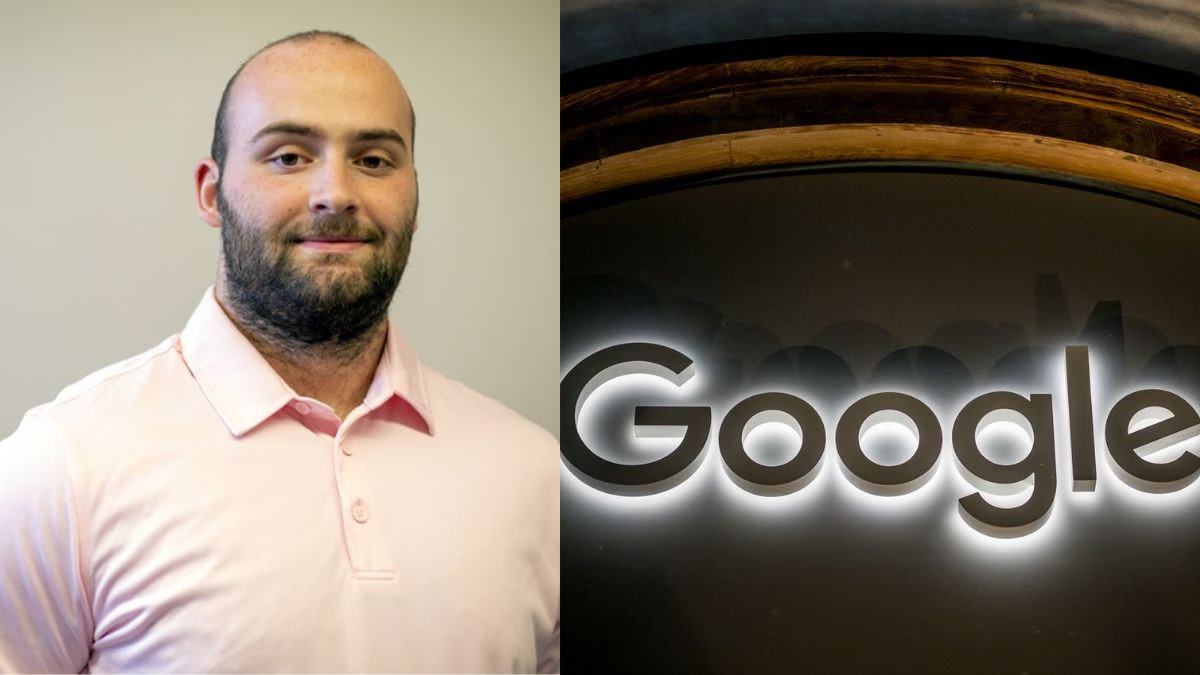
The layoff email arrived in late January, however for the 25 year old Charles Broomfield, the uncertainty had started even much earlier. From Amazon Web Services, the engineering analyst had already begun reading the signs including leadership talking openly about AI reshaping the workforce, change in priorities within inside teams, and a growing sense that his role might not survive the next wave of change. So before the official notice even came, he had already started preparing for life after AWS.
Just a few months later, Broomfield, based in Washington DC, landed a role at Google but also to years spent building relationships long before he needed help. A small college network that proved surprisingly powerful
Broomfield graduated from Knox College, a small liberal arts college whose modest alumni network initially felt like a disadvantage. But over time, he realised the close-knit nature of the school worked in his favour.
“The downside is to that that there is a much smaller alumni network,” he told Business Insider. “The benefit is that I suspect the likelihood of them being willing to help out is much higher.”
When he was in college, he worked as a computer science tutor, a role that unexpectedly became one of the strongest foundations of his professional network. Many of the people he helped eventually moved into jobs at major tech companies and later became valuable connections during his own career transitions.
After graduation, he joined a government research company before moving to Amazon Web Services in the summer of 2025. But by the start of 2026, concerns about the future of his team had already started weighing on him.
“Before I joined Amazon, Andy Jassy had made comments about how Amazon would have fewer people in the future because of AI,” Broomfield told Business Insider. “I became increasingly nervous that my team wasn’t aligned with the strategy.”
Turning unemployment into a structured routine
Broomfield began applying for new jobs on January 24, just days before receiving formal notice of his layoff. Even though he suspected cuts were coming, he stayed long enough to secure severance and the company’s 90-day notice period.
However, what happened was a sudden shift from the intense pace of AWS to complete stillness, something he found difficult to process at first.
“I found it really hard to go from working at a company with a pretty famous work culture, like AWS, to a complete hard stop,” he told Business Insider.
Instead of letting the uncertainty consume him, he approached the search with the structure of a full-time job. His mornings were spent reaching out to contacts, researching opportunities, and identifying roles that genuinely interested him rather than applying indiscriminately.
“I wasn’t going through every job posting and hitting apply because I don’t want to interview for something I’m not genuinely excited about,” he told Business Insider. “I was picky.”
To avoid burnout, he broke up the day with workouts or cooking before returning to another long stretch of application tailoring and interview preparation in the evenings.
Why referrals mattered more than applications
During the search, Broomfield applied to 42 roles, and 26 of those applications included referrals. Six eventually turned into interviews.
One former colleague encouraged him to apply at Google. He submitted applications for three positions and was rejected from the two he initially believed were his strongest chances. But the third role moved rapidly.
Within a week, a recruiter contacted him. Soon after, he cleared the technical screening round, completed three interviews over the next two weeks, and received an offer just days later.
Looking back, he believes many job seekers misunderstand how networking actually works. Cold outreach on platforms like LinkedIn rarely delivered strong results for him. Instead, he focused first on people who already shared some existing connection including friends, former colleagues, or even fellow alumni from his small college. “I always start with my warmest audience,” he explained to Business Insider.
Years of layoffs across the tech industry also indirectly expanded his network. Former coworkers dispersed across major companies, creating new pathways for referrals and introductions. Broomfield believes professional networks extend far beyond close friendships. Casual acquaintances, supportive interactions online, and even occasional social media engagement can leave lasting impressions that later become meaningful opportunities.
“Leaving a friendly or supportive comment can go way further than people realize,” he told Business Insider. Beyond networking, Broomfield says one of the biggest advantages during his unemployment was financial stability. Passionate about frugality and the idea of early retirement, he had spent years aggressively saving money.
“I save everything I can, and I’ve been doing that since college,” he said. Those savings became a crucial emotional buffer once he lost his job. Rather than panicking over immediate bills or rushing into the first available opportunity, he was able to approach the search strategically and patiently.
“The craziness over the last year made me realize how grateful I was for those savings because of the peace of mind and flexibility it gave me,” he told Business Insider.
He also acknowledged how much harder layoffs can be for workers living paycheck to paycheck or whose immigration status depends on employment. “It’s harder to operate when you’re stressed. Desperation doesn’t help,” he told Business Insider.