



















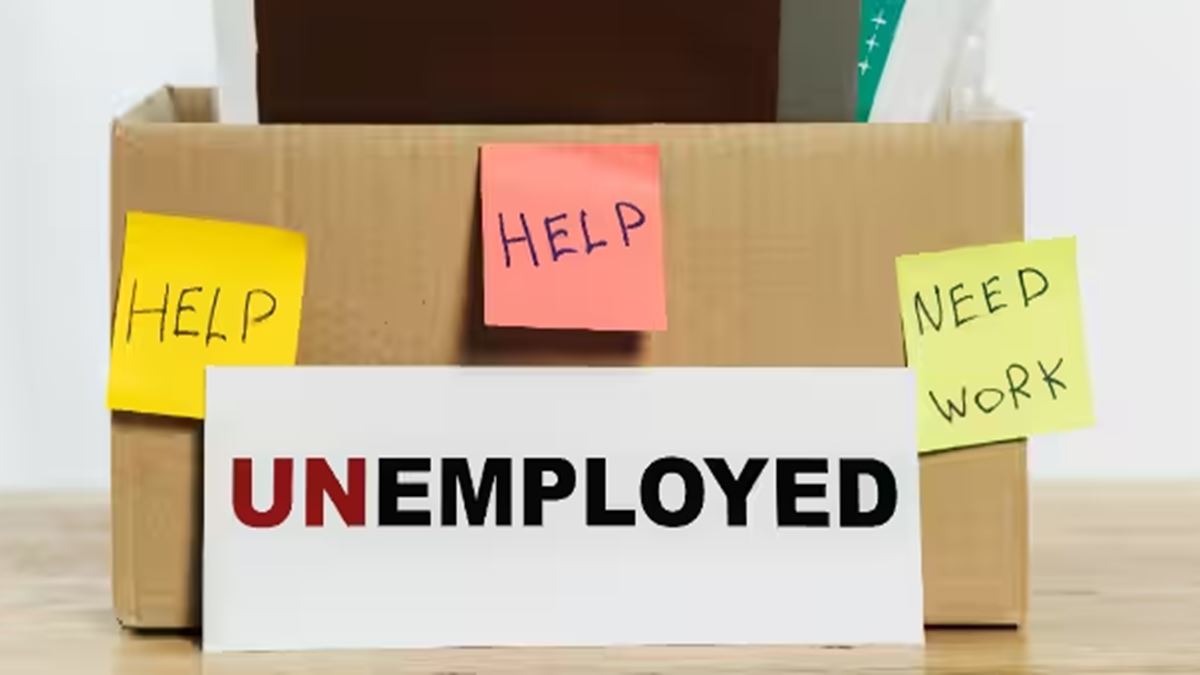

Toronto residents are feeling the heat as the job market tightens, leaving many educated individuals struggling to find work in a city that often boasts itself for its endless career opportunities.
Despite holding various diplomas and degrees, recent graduates and seasoned professionals alike all say they’re unable to get callbacks and land a full-time gig.
Some people, like 30-year-old Farrah Kabeer, have done what any disgruntled millennial would do when screaming into the void isn’t satisfying enough: post a rant on the internet. Kabeer’s recent post on the Toronto Jobs subreddit was met with over a hundred comments, either offering sympathy or echoing her frustration.
Kabeer tells blogTO she graduated from the University of Toronto with a Bachelor’s degree in Humanities in 2023 and has been unemployed ever since.
“I’m very lucky that I have subsidized housing,” Kabeer says when asked how she’s able to make ends meet in a city where the cost of living keeps rising year over year. She also explains that because she identifies as a disabled person, she also receives money from the government through the Ontario Disability Support Program (ODSP).
Kabeer says she’s so “desperate” for a job, she’s even applied to fast-food restaurants like Tim Hortons and McDonald’s – but even those companies won’t call her back.
Youth unemployment impossible to ignore
Jessica Bell, who has served as the MPP for University-Rosedale since 2018, tells blogTO that this is a rising concern in the city.
“For the first time since I have been an elected official, I am hearing people talk to me about how they cannot find a job,” Bell says. “It’s most acute among youth. In Toronto, one in four young people are looking for a job.”
While high-paying jobs do pop up in Toronto, the growth in available jobs failed to match the volume of people searching for work. In fact, the overall unemployment rate in Ontario rose to 7 per cent in 2025, the second-highest in the country.
“Aside from the pandemic, we have not had economic turmoil [like this] since the ’90s,” Bell says.
Despair and pessimism are alive and well in Kabeer’s Reddit post based on the volume of comments from users in similar situations.
One user commented, “Forget collecting degrees. They no longer help you stand out. I have a master’s degree, and a package of toilet paper from Costco is more valuable.”
To get a better sense of what’s going on in the youth employment sector, Bell tells blogTO she recently held a roundtable that included student unions, job providers and members from universities and colleges.
“It was a sea of anxiety and worry,” she says. Competent, highly educated young people were applying for hundreds of jobs and not getting a call back.
“We’re talking about people who have MBAs and PhDs in the sciences. The overwhelming message that we heard is that they’re very worried about what this means for their future careers, hopes and dreams,” Bell says.
The MPP reported that some roundtable participants mentioned possibly leaving Ontario in pursuit of better job opportunities.
In response to Kebeer’s post, one user with a bachelor’s degree in UX design explained having to move to Korea for a teaching job after they couldn’t even land a simple retail job at Bath and Body Works in Toronto.
Kebeer’s plan, she says, is to stay put in Toronto, pursuing a new degree in social service, a field which offers student loan forgiveness. She remains hopeful she can land a job once she graduates in 2027.
Which industries are seeing the biggest job losses?
When looking at the province overall, Bell says healthcare and education aren’t seeing the biggest cuts just yet.
“We are seeing big job losses in car manufacturing, forestry, the steel and aluminum industry, but also we’re seeing them in housing construction, the film and television sector, and post-secondary education,” Bell says, adding that many of these industries employ Toronto residents, either directly or indirectly.
But it’s not all doom and gloom.
Bell believes Toronto residents are resilient and Canada has gotten through “tough economic times” before. Change can happen once the City invests more in critical infrastructure and public services, from new transit lines to affordable housing to hospitals.
“When we do that, we keep people employed, we create new jobs, and we can come out of this mess stronger.”
Source – https://www.blogto.com/city/2026/01/hard-find-job-toronto/