




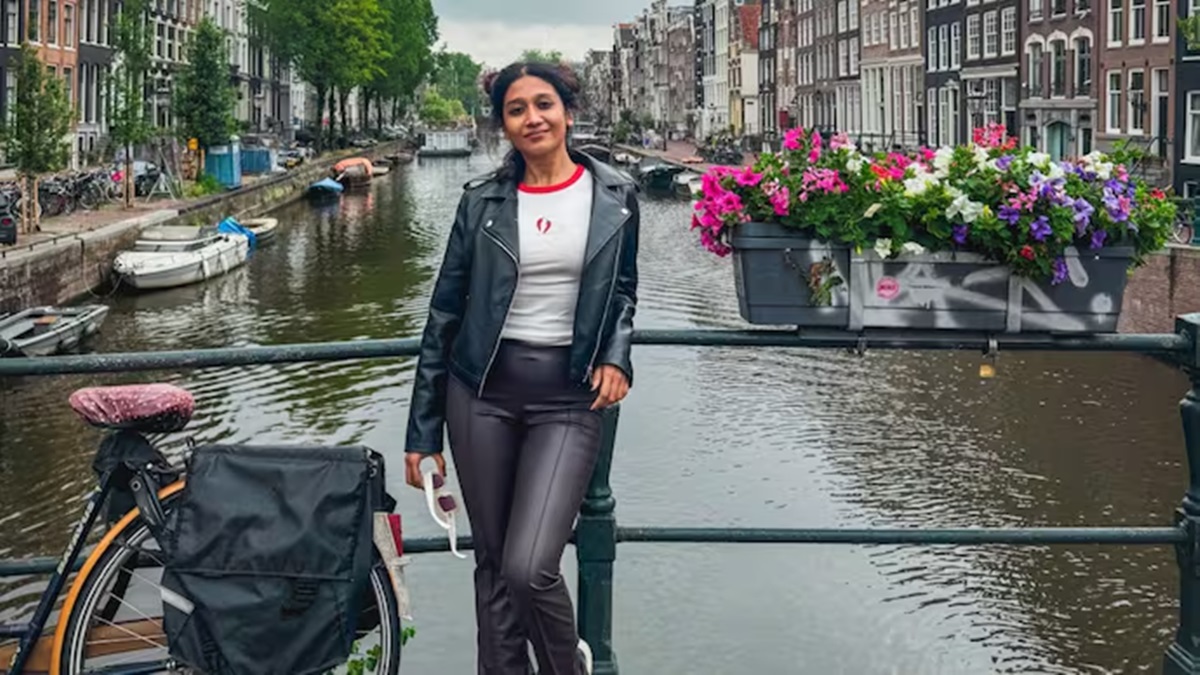

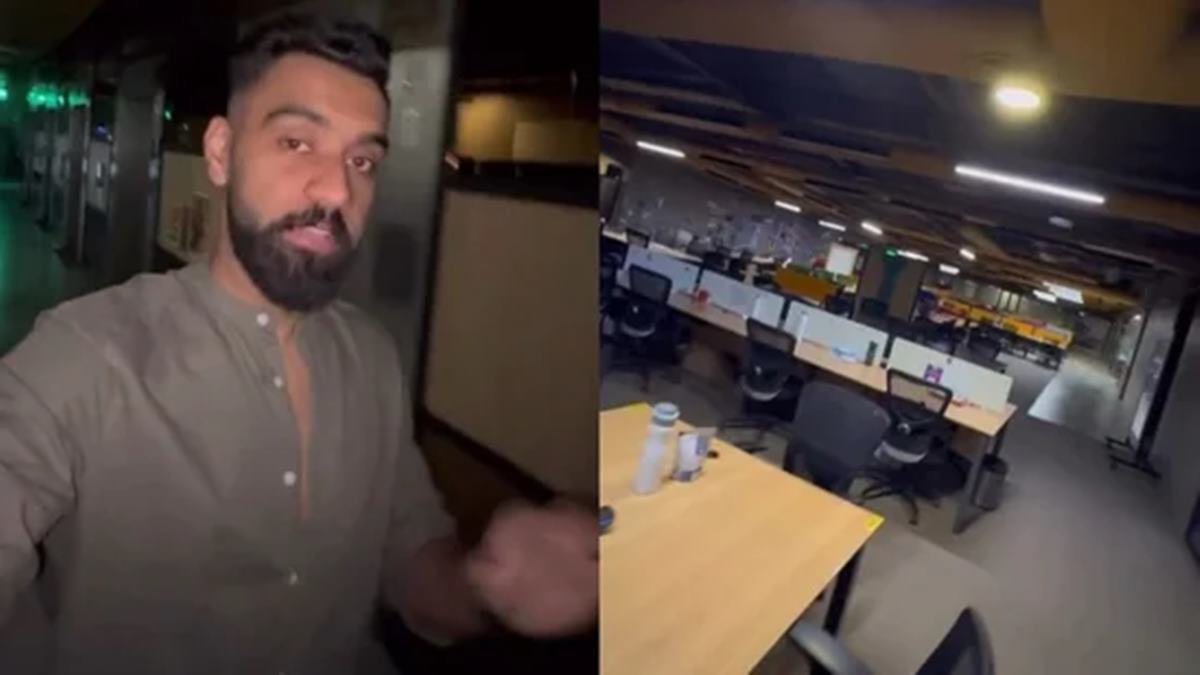


A Bengaluru woman’s viral social media post about her experience working with US-based teams has triggered widespread discussion online, with many professionals saying they are exhausted by workplace cultures that equate constant availability with productivity.
In a short video shared online, the woman highlighted several work practices she noticed while collaborating with teams in the United States. The post quickly resonated with viewers, many of whom described the observations as relatable and reflective of healthier workplace boundaries.
The video listed habits she appreciated while working with US teams, including meetings ending on time, calendar blocking being respected, direct communication, fewer unnecessary meetings and employees being able to take vacations without guilt. She also pointed to the absence of after-hours work messages and a culture where results mattered more than “looking busy.”
“Working with US teams taught me that professionalism is not about being online 24/7,” she wrote in the caption accompanying the post.
The woman further said the experience changed how she viewed workplace culture, particularly around accountability, documentation and respect for personal time. She noted that direct communication without excessive sugarcoating and clear work-life boundaries stood out during her interactions with international teams.
The post soon drew strong reactions across social media platforms, with users sharing their own experiences working with overseas teams.
One user commented that communication overload in many workplaces often contributes to employee frustration, adding that fewer unnecessary interactions can improve work environments significantly. Another user said they had similar experiences working with Irish teams, while several others agreed with the broader observations about healthier work cultures.
Some commenters, however, offered more sceptical takes. One user suggested that workplace culture could change depending on management styles, particularly in global teams with mixed leadership structures.
The viral discussion comes amid broader conversations around burnout, work-life balance and evolving professional expectations as hybrid and remote work models continue to reshape workplaces globally.