

















Over the past couple years, you’ve likely heard this term being floated around: superintelligence. But it sounds sci-fi and otherworldly, so you dismiss it as something irrelevant to you and don’t care what it really means.
However, OpenAI just released a warning, a stark reminder of what might happen if artificial intelligence development continues to emerge into superintelligence, and what that means for society and today’s workers. Their statement, issued on the exact month to the date three years ago when ChatGPT was launched, also outlined guardrails to protect against the potentially catastrophic damages and risks from superintelligence.
When I read through their statement, I couldn’t help but think of the tremendous impact superintelligence and even AGI could have on jobs, and how many people who might be dismissing it now will realize just how much they should care and why it’s such a critical factor in the future of work.
But first, what is superintelligence anyway?
What Is Superintelligence (ASI)?
Superintelligence is also referred to as ASI (artificial superintelligence) which varies slightly from AGI (artificial general intelligence) in that it’s all about machines being able to exceed even the most advanced and highly gifted cognitive abilities, according to IBM.
Of course, we’re not anywhere near that development yet and the idea is very much a hypothetical probability at the moment. Researchers and scientists are still working towards AGI, which is where AI is able to directly match the abilities of humans when it comes to reasoning and problem-solving.
What Did OpenAI Say About Superintelligence?
In OpenAI’s statement released November 6, they said:
“Although the potential upsides are enormous, we treat the risks of superintelligent systems as potentially catastrophic and believe that empirically studying safety and alignment can help global decisions, like whether the whole field should slow development to more carefully study these systems as we get closer to systems capable of recursive self-improvement. Obviously, no one should deploy superintelligent systems without being able to robustly align and control them, and this requires more technical work.”
In this statement, OpenAI acknowledges the potential dangers associated with advancing AI to this level, and they continue by making it clear what can be anticipated and what will be needed for this experiment to be a safe success:
“Building out an AI resilience ecosystem will be essential,” they noted. “When the internet emerged, we didn’t protect it with a single policy or company—we built an entire field of cybersecurity: software, encryption protocols, standards, monitoring systems, emergency response teams etc. That ecosystem didn’t eliminate risk, but it reduced it to a level society could live with, enabling people to trust digital infrastructure enough to build their lives and economies on it. We will need something analogous for AI, and there is a powerful role for national governments to play in promoting industrial policy to encourage this.”
How Will This Impact Your Job?
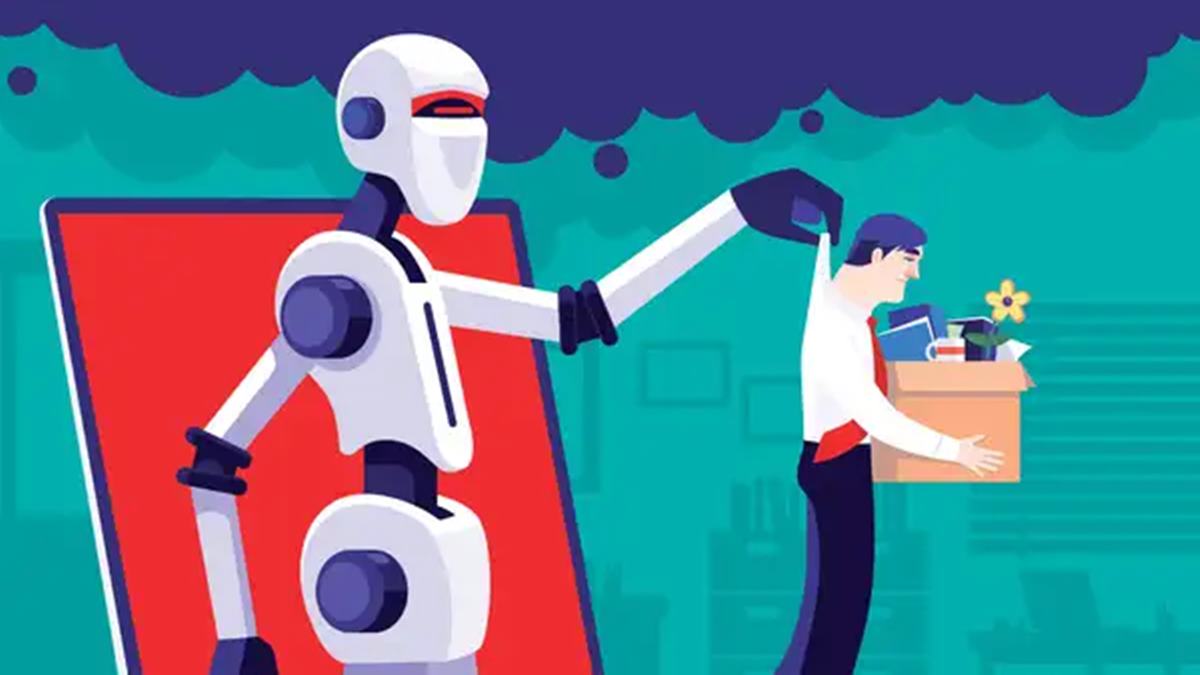
We already know that AI is poised to disrupt jobs. AI-related layoffs have become the norm. The World Economic Forum even noted that AI will disrupt up to 93 million jobs over the next few years. However, the exact level of disruption, i.e., what new job titles will be created (more than 70 million will be created), still remains slightly nebulous.
But when you look at OpenAI’s statement, the direction AI is moving when it comes to making specific roles in demand and creating brand new job titles seems even clearer:
- Organizations will need to collaborate with frameworks and government regulations to tighten internal policies and be even more cautious about how their employees use AI at work.
- Professionals will need to demonstrate proof and credentials of AI literacy and cybersecurity ethics, just as much as a cybersecurity leader needs a CISSP certification to progress in their career.
- The focus on safety as AI develops from what we know it to be today, to AGI, and potentially superintelligence, will be heightened and new roles/bodies will emerge, making AI regulation and safety research an in-demand industry of its own with heavy investments globally.
1. Cybersecurity Jobs Skyrocket In Demand
What if your AI tool is hacked by a cyber attacker? What is AI systems are exploited and marketed as fit for enterprise but are actually being used s spyware? What if your employees place sensitive data into an LLM’s hands, or are exposed to AI-generated phishing attacks (which ex-FBI operative Eric O’Neill tells me are even more complicated to detect)?
All these factors make cybersecurity an in-demand, high-paying industry, even at the entry-level. The U.S. BLS estimates that as many as 52,000 cybersecurity professionals will be needed by 2034, with the job growth rate projected at 29% (much higher than the average job growth rate).
2. Robust AI Training Will Be Mandatory
According to a recent report, almost a third of workers are still using AI tools at work without employer knowledge or approval. This is known as shadow AI, and poses a high risk to organizational safety, even if the employee thinks they’re doing the right thing.
This is why more employers must lead from the top when it comes to AI implementation, provide AI training relevant to the industry and business, document AI workflows, human-in-the-loop checkpoints, and standards, and make this a topic of discussion in 1:1 performance reviews. And as a professional, you should also be proactive in undertaking and completing AI certifications and training, especially as far as AI ethics, compliance, and safety are concerned.
3. These New AI Jobs Could Emerge Over The Next Few Years
Following OpenAI’s warning, job titles like these could accelerate and flood job boards:
- AI risk/safety consultant (for public sector bodies, governments, and to partner with organizations)
- AI governance and compliance lead
- AI security analyst
- AI manager (a manager specifically focused on maintaining human oversight for agents)
- AI specialist within HR (to investigate misuse or misconduct and policy violations)
How To Prepare And Upskill Right Now
To ensure you future-proof and AI-proof your career, here are some steps you can take now before AGI or ASI even become a thing:
- Refresh your AI certifications and training, relevant to your role and industry, every six months as a minimum
- Learn about AI governance and ethical use
- Proactively mitigate AI risks at your place of work and document the steps you took, so you can include on your resume later
- Openly discuss AI governance and collaboration with your boss in your 1:1s
Superintelligence and artificial general intelligence are still several years away. Even OpenAI acknowledges that. But this fact doesn’t mean you should relax and wait for that time to come before you start taking action for your career. Be proactive. Learn how to use AI safely and strategically, and understand how to maintain the integrity of your organization. This will give you a competitive advantage for when AI development takes on its next phase.